The Role of Technology in Monitoring and Enhancing Recovery Quality
You’re using wearables to track HRV, sleep stages, and stress, giving you real-time insight into your recovery quality. Chest-based HRV monitors offer more reliable data than wrist sensors, helping you adjust training based on autonomic balance. Apps analyze sleep depth and mental state, while personalized algorithms combine this with activity load for smarter recovery plans. When synced with therapy tools, these technologies enhance both physical and mental resilience-discover how integrating them elevates your routine.
Notable Insights
- Wearables track HRV trends to assess autonomic balance and optimize recovery timing.
- Sleep monitoring devices analyze sleep stages, emphasizing deep sleep for physical recovery.
- Apps use sound and biometrics to evaluate sleep quality and detect disturbances.
- Meditation and mindfulness apps reduce stress, enhancing mental and physiological recovery.
- Personalized recovery plans integrate genetic, biometric, and lifestyle data for precise recovery strategies.
How Wearables Track Recovery Metrics
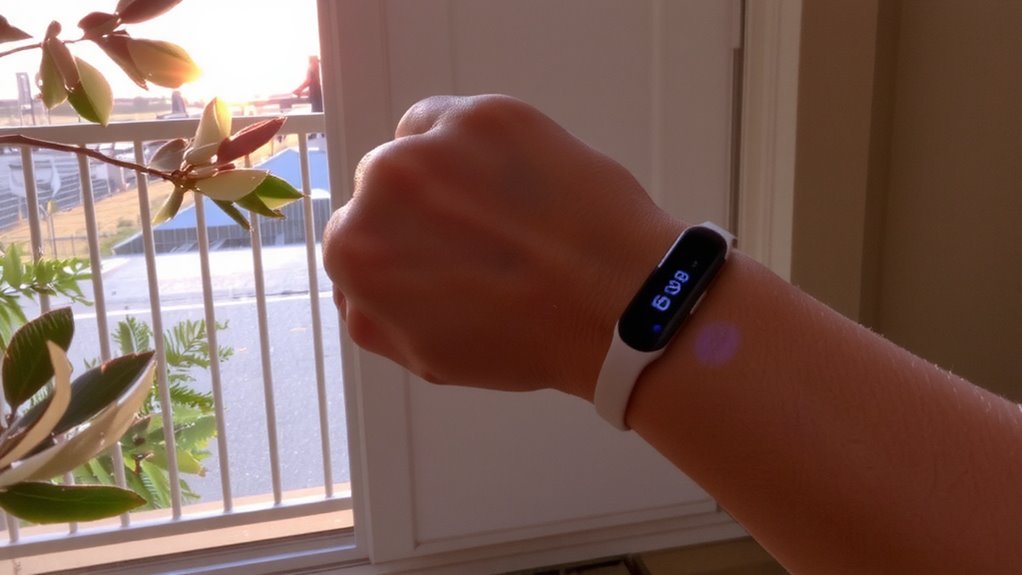
Recovery metrics aren’t just numbers-they’re insights into how well your body’s bouncing back after pushing it hard. Your wearable tracks these by analyzing heart rate variability, resting heart rate, and movement patterns while you sleep. It breaks down your sleep stages-light, deep, and REM-to pinpoint rest quality, since deep sleep is essential for tissue repair. Some devices even use skin temperature and respiration rate to refine accuracy. When it comes to muscle fatigue, advanced sensors detect changes in neuromuscular response and movement efficiency, often correlating with workout intensity. While not medical-grade, these tools offer practical, real-time feedback. They’re especially helpful for adjusting training volume before overtraining hits. Still, their value depends on consistent wear and proper calibration. Used wisely, they turn daily data into actionable recovery strategies, making fitness recovery more personalized-and smarter-than ever. Devices like best EMS devices can further enhance recovery by stimulating muscle repair through electrical impulses.
Best Apps to Monitor Sleep and Stress

You’ve probably noticed how a rough night’s sleep or a stressful day throws off your workout-apps now make it easier to spot those patterns and act on them. Tracking your sleep patterns and stress levels helps you understand recovery quality without guesswork. These apps sync with wearables to deliver accurate, real-time insights.
| App Name | Key Feature |
|---|---|
| Sleep Cycle | Analyzes sleep patterns via sound |
| Calm | Guides meditation to lower stress levels |
| Headspace | Offers science-backed mindfulness |
| Pzizz | Uses psychoacoustics for better sleep |
Sleep Cycle gives detailed breakdowns of sleep stages, while Calm and Headspace help regulate stress levels through structured programs. Pzizz stands out with customizable audio to support relaxation. Each app integrates smoothly with fitness trackers, enhancing how you monitor recovery. They’re practical tools that turn data into actionable steps-no fluff, just functionality you can rely on.
Understanding HRV in Recovery Tracking
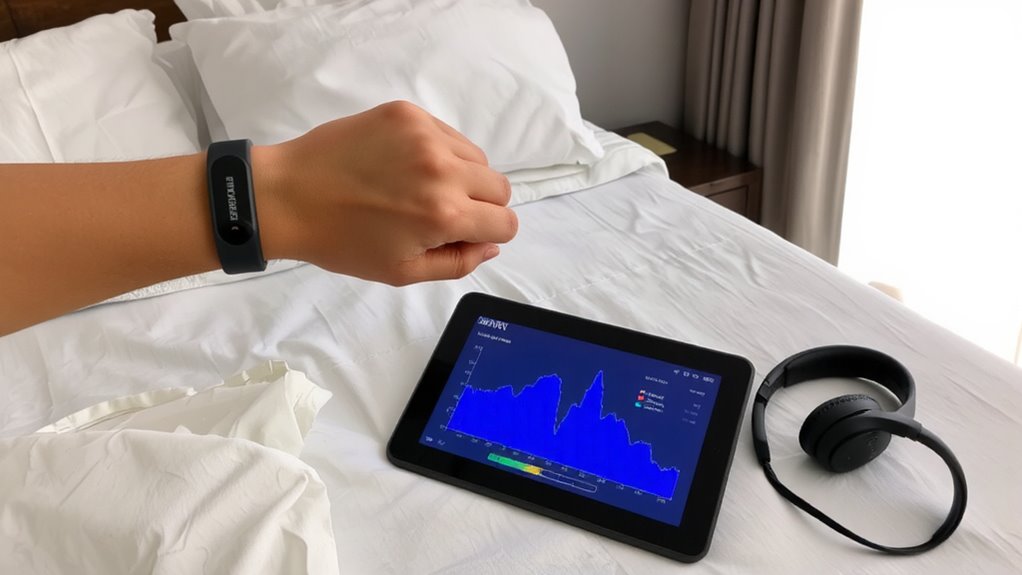
While sleep and stress apps give you a window into how well you’re recharging, they don’t always capture the full picture of what’s happening beneath the surface-your body’s physiological response to strain and rest. That’s where heart rate variability (HRV) comes in. You rely on HRV to assess autonomic balance, but its value hinges on HRV accuracy, which varies across devices. Chest straps typically offer more reliable data than wrist-based sensors, especially during movement. Interpreting these readings demands solid biometric interpretation-you can’t just glance at a number and know your recovery status. Trends over time matter more than single readings, and context like recent workouts or sleep quality affects them. When used correctly, HRV helps you see how your body adapts, guiding smarter training and rest decisions. But poor data or misinterpretation can mislead just as easily as inform.
How Data Drives Personalized Recovery Plans
Smart algorithms now turn raw biometric data into actionable recovery insights, transforming how you tailor rest and regeneration. By analyzing your sleep patterns, HRV trends, and activity load, these systems adjust recovery recommendations in real time. Your unique genetic predispositions influence how quickly you bounce back, while nutritional biochemistry determines how well your body repairs at the cellular level. Wearables and apps synthesize this data to optimize timing and method-whether it’s passive rest, active recovery, or targeted supplementation. Here’s how key factors align:
| Factor | Role in Recovery | Personalization Lever |
|---|---|---|
| HRV Trends | Indicates nervous system fatigue | Adjusts workout intensity |
| Genetic Predispositions | Affects muscle repair rate | Guides recovery duration |
| Nutritional Biochemistry | Influences inflammation & repair | Tailors supplement & meal timing |
This data-driven approach beats guesswork, making recovery as precise as training.
Pairing Recovery Tech With Therapy
Although recovery tech excels at tracking physiological signals, its true potential emerges when paired with therapeutic interventions that address both body and mind. You’re not just monitoring heart rate variability or muscle tension-you’re using biofeedback integration to make that data actionable in real time. When your wearable detects elevated stress markers, it can trigger guided breathing exercises or alert your therapist, enabling immediate intervention. Therapy synchronization guarantees your mental health support aligns with your physical recovery timeline, creating a cohesive treatment plan. Devices that offer seamless data sharing with clinicians help tailor cognitive-behavioral strategies to your body’s actual responses. This synergy improves adherence and outcomes, turning isolated metrics into meaningful therapeutic insights. While standalone tools provide value, their clinical impact multiplies when embedded within structured care. You’re not just recovering-you’re progressing with informed, holistic support that bridges technology and human expertise effectively.
When to Trust Your Body Over Data
How do you know when to listen to that tightness in your shoulder instead of the “recovery complete” message on your fitness tracker? Your body sends intuitive signals-fatigue, stiffness, or subtle pain-that often precede injury. While recovery tech provides useful metrics like heart rate variability and muscle oxygen levels, it can’t fully interpret individual nuances. Physical cues, such as asymmetric movement or persistent soreness, may indicate underlying strain no sensor has flagged. Data-driven tools are valuable, but they assume your physiology responds like an averaged population. You don’t. Overreliance on tech might push you to train when rest would serve you better. Trust the data, but not blindly. Pair it with honest self-assessment. When intuitive signals contradict your wearable’s green light, err on the side of caution. Recovery isn’t just measurable output-it’s subjective input, too. Incorporating tools like Top Muscle Recovery Devices can enhance recovery, but they should complement-not replace-your body’s signals.
On a final note
You’re now using wearables and apps to track recovery, but remember: data sharpens insight, yet your body’s signals remain essential. Tools like HRV monitoring and sleep analytics offer real-time feedback, helping tailor rest and therapy. Still, overreliance on metrics risks ignoring fatigue or injury cues. The best recovery gear-whether a smartwatch or stress tracker-works when balanced with self-awareness. Combine tech precision with personal experience for smarter, safer fitness progression.