Massage Therapy Types for Ed Relief of Bursitis Inflammation: a Comparative Study on Different Techniques
You can use massage therapy to support bursitis recovery by easing muscle tension and improving circulation around the joint. Swedish massage is safer during flare-ups, while deep tissue may worsen inflammation if applied too soon. Myofascial release and trigger point therapy help restore balance but don’t directly reduce swelling. Avoid pressure on the bursa itself to prevent aggravation. Choosing the right technique matters-learn how each method aligns with healing phases and recovery tools.
Notable Insights
- Swedish massage reduces bursitis discomfort by enhancing circulation and promoting lymphatic drainage with gentle, safe techniques during inflammation.
- Deep tissue massage may worsen bursitis if applied during acute flare-ups due to intense pressure near inflamed bursae.
- Myofascial release alleviates muscle tension around joints, improving biomechanics and reducing stress on inflamed bursae indirectly.
- Trigger point therapy targets muscle knots that contribute to joint strain, helping to relieve referred pain in bursitis patients.
- Direct pressure on inflamed bursae or aggressive techniques should be avoided; gentle, surrounding-area massage is safer and more effective.
What Is Bursitis and Can Massage Reduce Inflammation?
What exactly is bursitis, and could massage actually help calm the inflammation you’re dealing with? Bursitis occurs when the small, fluid-filled sacs near your joints-responsible for smooth movement-become irritated. These sacs support bursa function by reducing friction between bones and soft tissues. When inflammation causes like repetitive motion, injury, or prolonged pressure strike, the bursa swells, triggering pain. While massage won’t cure the condition, it may assist by improving circulation and easing muscle tension around the affected joint. You’re not eliminating the root inflammation causes, but you could be creating a better environment for recovery. When used alongside proper rest and medical advice, massage serves as a supportive tool in fitness recovery. It complements gear like compression wraps or foam rollers, though it’s not a standalone fix. Effectiveness varies, so evaluate your symptoms carefully before proceeding-it’s about smart integration, not replacement.
Deep Tissue or Swedish: Which Helps Bursitis Swelling?
How do you decide between deep tissue and Swedish massage when tackling bursitis swelling? Swedish massage uses gentle pressure techniques to support muscle relaxation, improving circulation without irritating inflamed bursae. It’s often safer during acute flare-ups, helping reduce swelling through lymphatic drainage and eased muscle tension. Deep tissue applies more intense pressure techniques, which can help chronic stiffness around the joint but may worsen inflammation if used too soon. While effective for long-term recovery, its aggressive approach risks aggravating sensitive areas. For bursitis swelling, Swedish typically offers a more controlled, soothing response. You’ll benefit more from its restorative rhythm when inflammation is active. Save deep tissue for later stages, once acute symptoms fade and structural imbalances need correcting. Combining Swedish’s calming support with well-timed deep work creates a balanced recovery path. Choose wisely-your healing pace depends on it. A high-quality best deep tissue massagers can provide targeted relief during the recovery phase when used appropriately.
Myofascial & Trigger Point Therapy: Do They Ease Inflammation?
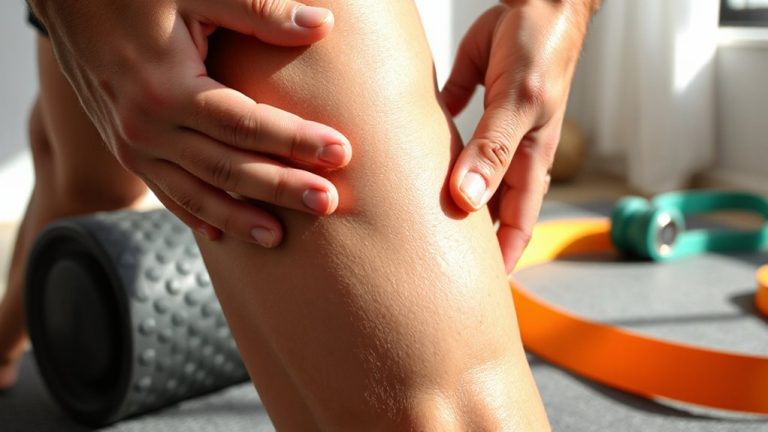
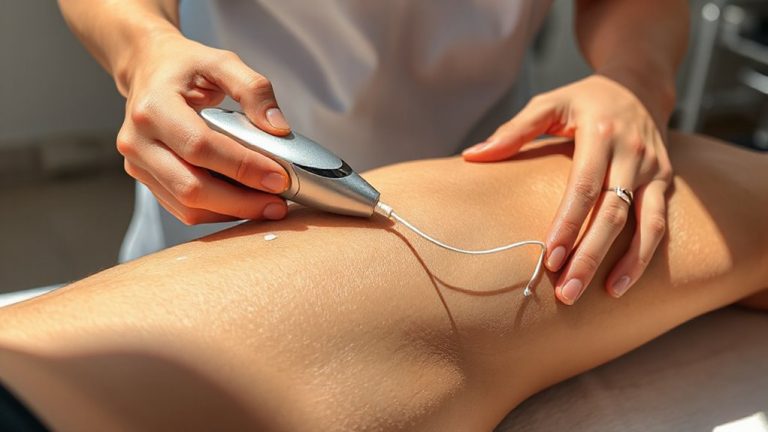
Could relief from bursitis inflammation really come from targeting tight fascia and stubborn trigger points? You’re likely dealing with restricted movement and discomfort, and myofascial therapy might offer a path forward. This technique focuses on releasing tension in the fascia-the connective tissue wrapping your muscles-through sustained pressure and slow strokes. Trigger point therapy zeroes in on hyperirritable knots that refer pain to other areas, often aggravating bursitis symptoms. When applied correctly, fascial release can improve muscle symmetry, reducing imbalanced forces around the inflamed bursa. Though not a direct anti-inflammatory method like ice or medication, it supports recovery by enhancing circulation and restoring proper biomechanics. You’ll notice better range of motion and reduced strain on joints. While evidence remains moderate, many patients report meaningful relief when these therapies are part of a broader plan. Using the right tools, such as a best trigger point tool, can enhance the effectiveness of self-administered therapy.
When Massage Worsens Bursitis: Key Risks to Avoid
A single misstep in massage technique can aggravate bursitis instead of alleviating it, especially when excessive pressure is applied directly over the inflamed bursa. You might not realize how easily improper pressure worsens your condition, turning mild discomfort into prolonged, aggravated symptoms. Deep tissue work or overly aggressive manipulation near the affected joint often increases inflammation rather than reducing it. You should avoid any technique that causes sharp pain or sustained discomfort during or after treatment. Areas like the shoulder, hip, or knee are especially vulnerable due to superficial bursae. Without proper assessment, even well-intentioned massage can disrupt healing. Your therapist must recognize early signs of strain and adjust pressure accordingly. Applying gentle, targeted strokes around-not on-the inflamed site typically offers safer relief. Always communicate your pain levels clearly; letting symptoms escalate defeats the goal of recovery.
How to Choose the Best Massage for Your Bursitis
Why do some massage techniques ease your bursitis while others make it worse? It comes down to pressure, method, and treatment timing. For effective pain management, you need gentle, targeted approaches like myofascial release or lymphatic drainage-deep tissue or friction-based methods can aggravate inflamed areas. Always consult a therapist trained in inflammatory conditions so they assess your flare-ups and adjust accordingly. Treatment timing matters: massage during acute inflammation often worsens symptoms, whereas sessions in remission phases improve mobility and recovery. You should avoid firmer techniques until swelling and pain decrease. Fitness recovery tools like foam rollers may help between sessions, but use them cautiously-poor form increases joint stress. Your best choice combines expert-led therapy, responsive timing, and supportive gear, ensuring massage aids healing without risking setbacks. Stick to evidence-backed methods for lasting relief.
On a final note
You now see that massage can help ease bursitis inflammation when chosen carefully. Deep tissue may aggravate flare-ups, while Swedish or myofascial techniques often support recovery by improving circulation and reducing muscle tension. Trigger point therapy can target referred pain but requires skilled application. Always avoid direct pressure on inflamed bursae. For best results, combine massage with proper rest and medical guidance. Your recovery path improves when technique, timing, and professional expertise align.