Self-Myofascial Release for the Soleus: Deep Calf Release Without Aggravation
You’re likely rolling the gastrocnemius but missing the deeper soleus, which runs below the knee and anchors into the Achilles. Use a firm EVA foam roller or a compact hard ball to target the lower medial calf, just above the heel and beneath the larger calf muscle. Sit with a straight back, apply gradual pressure, and avoid heavy force-this muscle responds better to sustained, moderate input than aggressive grinding. Stay off numbness or sharp pain, as overzealous work can irritate tissue instead of releasing it. Best results come from consistency, proper tool choice, and alignment, not intensity. You’ll discover more effective strategies by exploring why precision matters in long-term recovery.
Notable Insights
- Target the soleus just below the knee on the lower medial calf using precise pressure to avoid superficial muscle interference.
- Use a firm massage ball or high-density foam roller to effectively reach the deep soleus without excessive force.
- Maintain a seated position with a straight back and engaged core to ensure proper alignment during release.
- Apply gradual, controlled pressure-avoid sharp pain or numbness, which indicate incorrect technique or overpressure.
- Incorporate vibrating tools and short duration sessions to enhance circulation and reduce stiffness safely over time.
Locate Your Soleus in Seconds
Where exactly is your soleus, and why does it matter for recovery? It’s deep beneath your gastrocnemius, running from just below the knee to the Achilles tendon. Knowing this helps with accurate muscle identification, especially since soleus tightness often masquerades as general calf pain. You can locate it using anatomical landmarks: place your fingers behind the knee, follow the calf muscle down as you flex your foot against resistance-there it is, working quietly but critically. Unlike its more visible neighbor, the soleus handles sustained postures and endurance, making it essential for walking, running, and posture. If you’re using recovery tools without targeting this muscle correctly, you’re likely missing a key piece of the puzzle. Proper identification guarantees your self-myofascial release is effective, not just repetitive. Precision here improves circulation, reduces stiffness, and supports long-term joint health-something no high-end foam roller can fix if applied blindly. For those seeking targeted relief, incorporating a best foot massagers model can enhance recovery by complementing manual techniques with deep, consistent stimulation.
Best Tools for Soleus Release
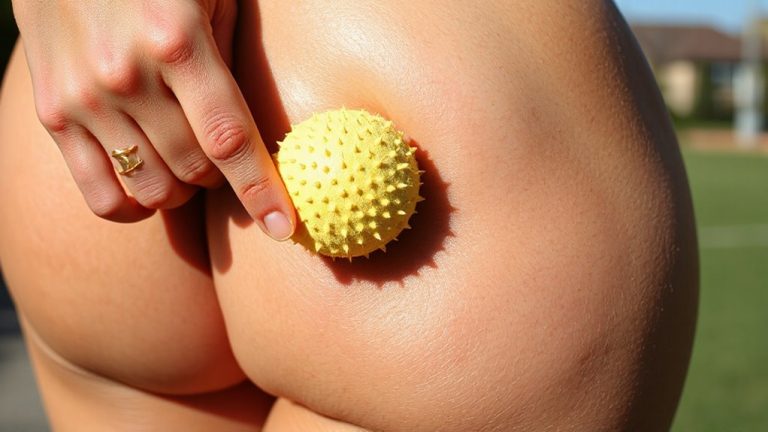
Your success with soleus release hinges on choosing the right tool-one that delivers focused pressure to this deep, resilient muscle without compromising control or comfort. While standard foam rollers often lack the density to effectively target the soleus, firmer options like high-density EVA or textured rollers enhance foam rolling techniques by increasing shear force penetration. Even better are compact tools such as a firm massage ball or mobility ball, which allow precise ball placement tips to isolate tight bands near the Achilles. A tennis ball works for mild tension, but harder rubber or polypropylene balls offer superior durability and intensity. These small tools fit easily behind the calf when seated, letting you modulate pressure with bodyweight. Avoid oversized tools that reduce accuracy. Opt for equipment that balances portability, structural integrity, and ease of maintenance-because consistent, targeted use beats aggressive, unfocused sessions. For those seeking a versatile and durable option, consider the best foam rollers based on material density and user feedback.
How to Release Your Soleus Safely
To effectively release your soleus without risking strain, start by positioning yourself correctly-sit on the floor with one leg extended and the other bent, placing a firm massage ball or compact roller just below the back of your knee, where the soleus lies deepest. Maintain proper alignment by keeping your back straight and core engaged to avoid compensation. Apply gentle pressure at first, gradually increasing as tension releases-this muscle responds better to sustained, moderate input than aggressive force. For deeper penetration and enhanced muscle relaxation, consider using a vibrating foam roller, as vibrating foam rollers are specifically designed to improve circulation and reduce muscle stiffness.
| Body Position | Tool Placement | Pressure Level |
|---|---|---|
| Seated, one leg extended | Below knee, on lower medial calf | Light to moderate |
| Spine neutral, pelvis stable | Directly on tender zone | Gradually increasing |
| Foot relaxed, ankle loose | Adjust for comfort | Gentle, sustained |
Using proper alignment guarantees targeted relief, while gentle pressure prevents overstimulation. This method maximizes recovery efficiency and integrates well with structured fitness recovery routines.
Avoid These Soleus Release Mistakes
Why do some people feel worse after attempting soleus release? Often, it’s due to improper pressure and ignored symptoms. You might think more force equals better results, but excessive pressure can irritate the muscle and surrounding tissues, leading to inflammation or bruising. The soleus lies deep beneath the gastrocnemius, so aggressive techniques rarely reach it effectively and may damage superficial structures instead. Ignored symptoms like sharp pain, numbness, or prolonged soreness are red flags-you shouldn’t push through them. These signals indicate you’re compromising tissue health, not improving it. Using tools like foam rollers or balls requires controlled, gradual input, not brute force. Opt for lower-intensity implements with textured surfaces that target myofascial layers without excessive compression. Monitor your body’s feedback closely; sustainable recovery relies on patience and precision, not intensity.
Why Releasing the Soleus Relieves Leg Tension
Tension in the lower leg often traces back to the soleus, a broad, flat muscle nestled beneath the more superficial calf muscles. When you release this area, you’re targeting deep tension that often goes unaddressed by standard stretching. This muscle plays a key role in posture and endurance activities, so prolonged use leads to muscle fatigue, especially in runners or those who stand for long periods. Releasing the soleus improves circulation and resets muscle tone, reducing tightness that can pull on the Achilles and affect gait. Tools like foam rollers or compact massage devices apply focused pressure, making it easier to reach this deep layer without irritating surrounding tissue. When done correctly, self-myofascial release promotes faster recovery and enhances mobility. It’s not just about temporary relief-consistent use supports long-term leg health and prevents overuse issues.
On a final note
You’ve located your soleus and chosen the right tool-now consistency seals the gains. Regular, controlled self-myofascial release improves tissue quality, reduces calf tension, and supports recovery. High-density foam rollers and targeted massage balls work best, but technique matters more than gear. Avoid excessive pressure or rolling too fast; precision prevents irritation. When done right, soleus release enhances mobility and eases strain, making it a smart, low-risk addition to your recovery routine.