How Acupressure and Trigger Point Work Can Enhance Fitness Recovery Efforts
You can speed up fitness recovery by using acupressure and trigger point therapy to reduce muscle soreness and improve circulation. Applying pressure to points like Hegu or Zu San Li helps relax tight tissues and lower inflammation. Trigger points release knotted muscles that cause referred pain, especially when pressed with a ball or roller. These techniques boost blood flow and support faster healing after workouts. Consistent use enhances flexibility and complements other recovery tools-and there’s more to explore about pairing them with stretching.
Notable Insights
- Acupressure reduces muscle inflammation by stimulating nerve pathways and improving circulation to fatigued tissues.
- Trigger point therapy releases muscle knots, alleviating referred pain and restoring flexibility after intense workouts.
- Applying pressure to key points like Hegu and Zu San Li enhances recovery and reduces post-exercise soreness.
- Self-administered trigger point techniques using simple tools support consistent muscle maintenance and recovery.
- Combining acupressure with stretching improves energy flow, decreases tension, and promotes faster muscle restoration.
What Exactly Are Acupressure and Trigger Points?
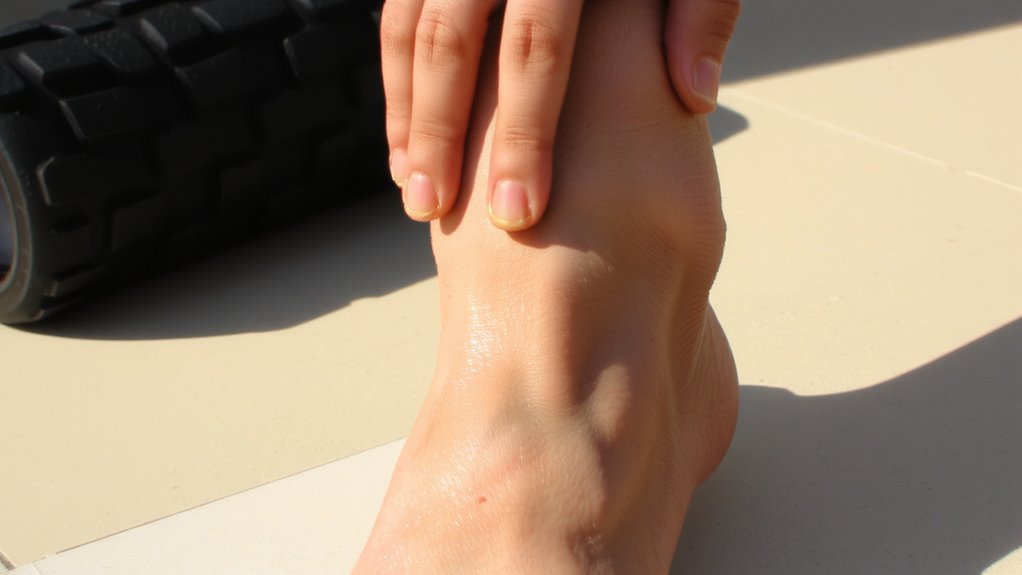
Think of your body as a complex network where tension and energy flow intersect-understanding acupressure and trigger points starts with this idea. Acupressure relies on meridian theory, an ancient framework suggesting that pathways channel your body’s essential energy flow. When you apply pressure to specific acupoints, you’re believed to unblock stagnation and restore balance. Trigger points, on the other hand, are tight muscle knots causing referred pain, often due to overuse. Unlike acupressure, they’re grounded in anatomy, not energy systems. Yet both techniques target dysfunction through manual pressure. While meridian theory lacks broad scientific support, many users report improved muscle relaxation and mobility. In fitness recovery, tools like massage balls or acupressure mats offer practical, non-invasive ways to address soreness. Used wisely, they complement recovery routines. Effectiveness varies, but consistency and correct application enhance outcomes. These methods aren’t magic, but when integrated thoughtfully, they support overall muscle health and wellbeing. For deeper relief, using the best trigger point tools can significantly improve targeted muscle release.
How Acupressure Speeds Muscle Recovery
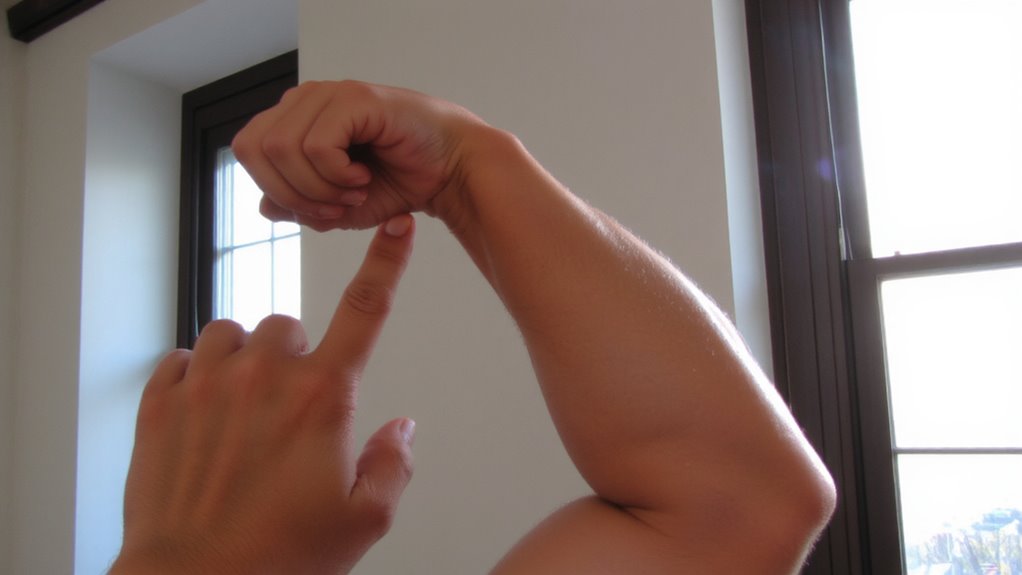
Your recovery game gets a boost when acupressure enters the picture-this isn’t just about pressing random spots and hoping for the best. When you apply targeted pressure to specific points, you’re actually stimulating nerve pathways that help reduce muscle inflammation and promote faster healing. Acupressure works by encouraging better blood circulation, delivering oxygen and essential nutrients directly to fatigued tissues. You’ll notice less stiffness and quicker restoration of muscle function, especially after intense training. Unlike passive recovery methods, this hands-on technique actively supports your body’s repair mechanisms. It’s drug-free, requires no equipment, and fits easily into your routine. While it won’t replace rest or proper nutrition, it complements them well. Used consistently, acupressure enhances your recovery profile, making it a smart addition to any fitness regimen focused on efficiency and long-term performance.
Top Pressure Points for Sore Muscles After Workouts
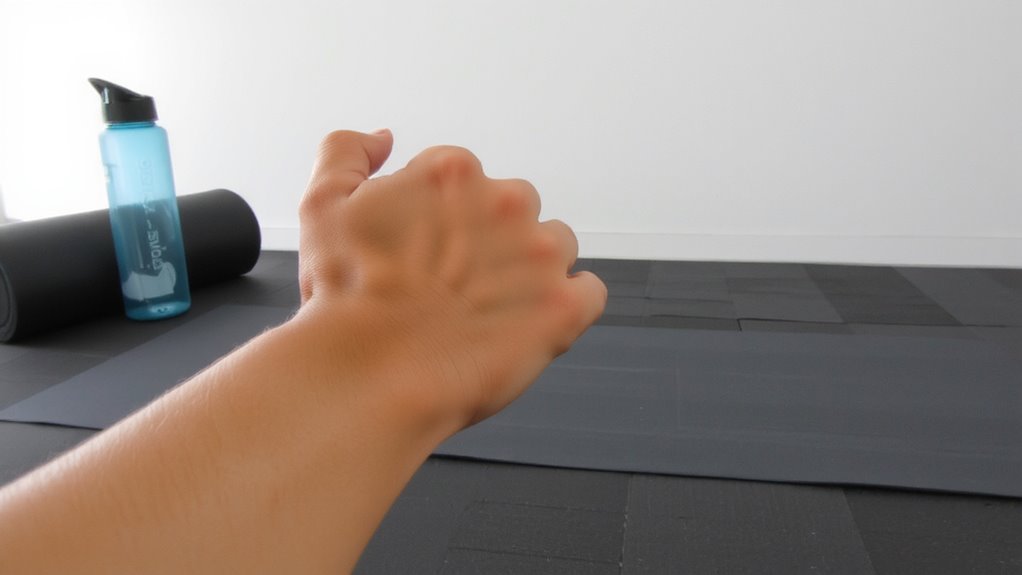
Where do you turn when soreness creeps in after a grueling session? You might reach for elite foam rollers or recovery boots, but acupressure offers a targeted, no-equipment alternative. Key points like the *Hegu* (between thumb and index), *Zu San Li* (below the knee), and *Bladder 23* (lower back) are proven to support muscle relaxation and inflammation reduction. Applying steady pressure here boosts circulation and signals the nervous system to unwind. These points aren’t random-they align with fascial lines and motor trigger zones commonly overworked in training. While fitness gear has its place, acupressure provides immediate, portable relief without charging a battery or syncing an app. It’s especially effective when used within an hour post-workout, helping shift your body from stress to recovery mode. With consistent use, these points can shorten downtime and improve mobility.
How to Apply Trigger Point Pressure Yourself
How do you keep recovery efficient when you’re short on time or stuck without gear? Self application techniques make it possible. Using your hands, elbows, or simple household items like tennis balls or foam rollers, you can perform DIY pressure methods to target tight muscle knots. Locate tender areas-often near common pressure points-and apply steady, moderate pressure for 30 to 90 seconds. You’ll likely feel the muscle gradually release, reducing discomfort and improving flexibility. These techniques don’t replace professional therapy, but they’re effective for maintenance between sessions. While specialty tools exist, they aren’t essential; many DIY pressure methods deliver comparable results at lower cost. Consistency matters more than equipment. With practice, you’ll recognize trigger points quickly and respond effectively. This hands-on approach gives you control over recovery, especially when you can’t access massage devices or fitness gear. It’s practical, adaptable, and grounded in real-world use. For those looking to invest in a dedicated tool, choosing the right foam roller can enhance self-myofascial release.
Add Acupressure to Your Stretching or Recovery Routine
Why not boost the effectiveness of your stretching or recovery routine by integrating acupressure? You can enhance breath focus and encourage balanced energy flow, leading to deeper muscle relaxation and faster recovery. Applying gentle pressure to key points during or after stretching helps release tension and improves circulation. Unlike recovery gadgets that require charging or setup, acupressure is portable and immediate-just your hands and awareness. Combining acupressure with tools like massage therapy equipment can further amplify recovery benefits. Below are two common points to try:
| Acupressure Point | Benefit |
|---|---|
| Between eyebrows (Yintang) | Calms mind, aids breath focus |
| Inner leg, above ankle (Spleen 6) | Supports energy flow, reduces fatigue |
You’ll notice improved ease in movement and mental clarity when blending these techniques. While fitness gear like foam rollers has merit, acupressure offers a mindful, equipment-free complement that works synergistically with your existing routine.
On a final note
You’ll find acupressure and trigger point work effective for speeding muscle recovery after intense workouts. By targeting specific points, you reduce soreness and improve circulation, enhancing overall performance. Used alongside proper gear-like foam rollers or recovery boots-these techniques complement stretching and aid mobility. While not replacements for rest, they’re practical additions to a smart recovery plan. With consistent application, you’ll likely notice quicker relief and better training readiness.