Cupping Therapy Procedures: Understanding How This Ancient Chinese Practice Can Be Used Safely by Athletes for Recovery Purposes
You can use cupping therapy safely by starting with clean, dry skin and sterilized equipment like glass or silicone cups. Dry cupping is best for athletes-it uses suction only and helps ease muscle tension and improve circulation. Limit sessions to 5–10 minutes, stick to 1–2 times weekly on recovery days, and avoid joints or broken skin. While marks are normal, proper hygiene and flame-free pump systems reduce risks. There’s promising support for recovery when used alongside sleep and hydration. You’ll see how technique and consistency shape results over time.
Notable Insights
- Cupping therapy uses suction to boost circulation and ease muscle tension, aiding athletic recovery.
- Dry cupping is preferred by athletes due to its non-invasive nature and lower infection risk.
- Proper sterilization of equipment prevents infection, especially important in wet cupping procedures.
- Limit sessions to 5–10 minutes to minimize bruising and skin irritation during recovery.
- Apply cupping 1–2 times weekly on clean, dry skin during active recovery, avoiding injured areas.
What Is Cupping Therapy and How Can It Help Athletes Recover?
Cupping therapy, an ancient practice rooted in traditional Chinese medicine, uses suction from specialized cups placed on the skin to stimulate blood flow and ease muscle tension-something you’ve likely seen on elite athletes with round, purple marks dotting their backs and shoulders. Its historical origins trace back over 2,000 years, where it was used to balance qi and remove “pathogenic” elements from the body. The cultural significance of cupping remains strong across East Asia and the Middle East, often blending healing with ritual. For you as an athlete, the therapy may support recovery by increasing circulation and reducing muscle soreness, though evidence is largely anecdotal. While not a replacement for proven recovery methods, cupping’s low risk and potential benefits make it a notable addition to fitness recovery routines-especially when paired with proper hydration, sleep, and proven performance gear. When considering this therapy, selecting high-quality tools is essential, and exploring a reputable best cupping sets guide can help ensure safe and effective use.
Types of Cupping Therapy for Athletic Recovery
Several types of cupping therapy are commonly used by athletes seeking enhanced recovery, each differing in technique, equipment, and physiological effect. Dry cupping is the most popular-using suction-only cups to stimulate blood flow and loosen tight muscles without breaking the skin. Wet cupping, while less common in sports, involves light punctures before suction to remove small amounts of blood, believed by some to clear toxins. Though effective for recovery, wet cupping requires stricter hygiene and medical oversight. Those interested in trying dry cupping at home may consider investing in a reliable cupping set to ensure safe and consistent results.
| Type | Application Method |
|---|---|
| Dry cupping | Suction via silicone/glass |
| Wet cupping | Suction + controlled bleeding |
You’ll find dry cupping integrates easily into recovery routines, requiring minimal prep and offering repeatable results. Wet cupping, though historically rooted, carries more complexity and isn’t typically recommended for routine athletic maintenance due to its invasive nature.
Cupping Risks: What Athletes Need to Know
How safe is that circular bruising you see on elite sprinters or Olympians? While cupping can boost blood flow and aid muscle recovery, it’s not without risks. You might experience mild skin irritation, especially if the cups are left on too long or applied too tightly. These marks aren’t just cosmetic-they’re a sign of ruptured capillaries under the skin. Though generally harmless, repeated sessions without proper spacing can lead to tenderness or infection, particularly if equipment isn’t sanitized. Some athletes report temporary soreness or dizziness, likely due to increased blood flow pulling fluids toward the surface. If you have sensitive skin or a condition affecting circulation, you should proceed with caution. The gear itself-especially plastic or silicone cups-varies in quality, so poorly made tools can increase discomfort. Being informed helps you balance the potential benefits against real risks, especially when recovery routines demand both safety and precision. For those integrating cupping into a broader recovery routine, incorporating a high-quality self-massage tool can enhance muscle relaxation and complement the effects of cupping therapy.
How to Use Cupping Safely: Step-by-Step Guide
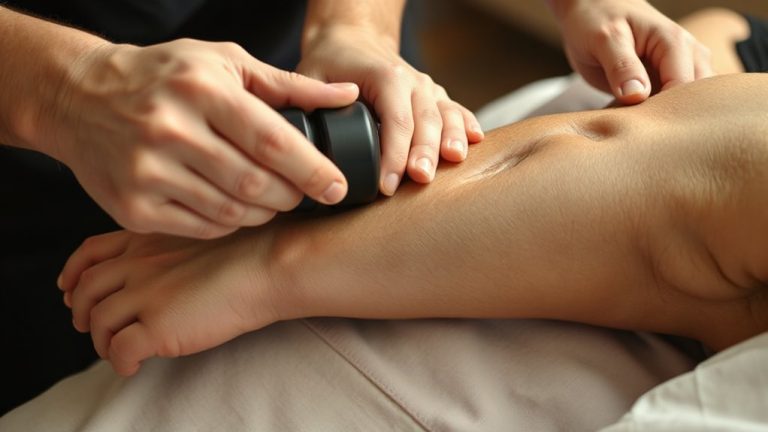
Where do you start when trying cupping for the first time, especially if you’re training hard and relying on recovery tools to keep you at your best? Begin with clean skin-proper skin hygiene prevents irritation and infection. Wash the target area with mild soap and dry it thoroughly before applying cups. Make certain your equipment, whether silicone or glass, undergoes strict equipment sterilization; glass cups should be wiped with medical-grade alcohol or autoclaved if possible. Use a flame-free pump system if you’re new, as it’s safer and easier to control suction. Never place cups on broken skin, joints, or major blood vessels. Limit sessions to 5–10 minutes to avoid excessive bruising. Always observe how your body responds post-treatment. Proper setup and hygiene aren’t just precautions-they’re essential for effective, safe recovery that supports consistent athletic performance.
Making Cupping Part of Your Recovery Routine
While recovery tools like foam rollers and massage guns have dominated athletic routines, cupping can offer distinct benefits when strategically integrated. For effective training integration, use cupping post-workout or on active recovery days to support blood flow and reduce muscle tightness. To gain consistent results, maintain schedule consistency-aim for 1–2 sessions weekly, depending on training load. You’ll want to track how your body responds over time, adjusting placement and duration based on soreness and performance. Static placements on large muscle groups like quads or back work well, while gliding cups can target tight fascial lines. Always allow skin to return to normal between sessions to prevent irritation. Though not a replacement for other modalities, cupping complements a balanced recovery plan. Over time, athletes report improved tissue quality and faster recovery readiness-making it a practical addition when used thoughtfully within your broader recovery strategy.
On a final note
You’ll find cupping can support recovery when used correctly alongside proven methods like foam rolling and proper hydration. While it may boost circulation and ease muscle tightness, results vary, and the marks it leaves are temporary but real. Choose high-quality silicone or glass cups and follow hygiene protocols. It’s not a magic fix, but as part of a balanced routine, cupping might offer subtle, worthwhile benefits for athletic recovery.