Compression Garments’ Role in Recovery From Ligament Tears: a Scientific Breakdown
You’re getting real support when you use medical-grade compression garments (20–30 mmHg) for ligament tears-they stabilize joints, boost blood flow, and cut swelling more effectively than rest alone. They enhance circulation, speed nutrient delivery, and aid tissue repair without overpromising. Proper fit and material matter: nylon-spandex blends with targeted compression improve mobility and comfort. These aren’t magic, but they optimize healing. There’s more to how design impacts recovery than you might expect.
Notable Insights
- Compression garments apply 20–30 mmHg pressure to stabilize ligaments, reduce strain, and support proper joint alignment during healing.
- They enhance venous return and microcirculation, improving oxygen delivery and tissue perfusion to accelerate ligament repair.
- Graduated compression limits edema by reducing fluid buildup and promoting lymphatic drainage from injured tissues.
- Effective healing support requires properly fitted garments to maintain optimal pressure without restricting blood flow.
- Breathable, durable compression gear with targeted support improves mobility, reduces fatigue, and aids rehabilitation exercises.
How Compression Helps Heal Ligament Tears
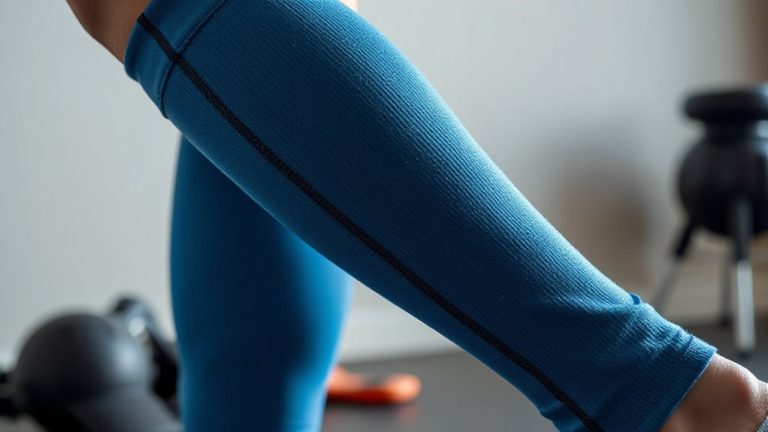
While you’re recovering from a ligament tear, proper support and circulation are essential, and that’s where compression garments come into play. They provide consistent pressure that enhances muscle stabilization, reducing unnecessary movement and limiting strain on the injured area. This support helps maintain proper joint alignment, which is critical during healing to prevent further damage and compensatory injuries. Well-fitted garments act like an external scaffold, promoting ideal positioning of surrounding tissues. Medical-grade compression wear, typically rated at 20–30 mmHg, offers the ideal balance between comfort and therapeutic effect. Users often report less swelling and improved mobility within days of regular use. Though not a standalone treatment, these garments are a scientifically supported adjunct to rehab protocols. When combined with guided physical therapy, compression gear can meaningfully accelerate recovery, making it a practical, evidence-based choice for serious fitness recovery. For those seeking advanced recovery tools, investing in the best leg compression boots can further enhance circulation and reduce downtime.
How Compression Improves Blood Flow
Because your body relies on steady circulation to deliver nutrients and remove waste during recovery, compression garments play a key role in optimizing blood flow. The targeted pressure they apply helps boost venous return, pushing deoxygenated blood back toward your heart more efficiently. This reduces blood pooling in injured areas and supports cardiovascular recycling of fluids. At the same time, these garments promote microcirculation enhancement-meaning capillaries deliver oxygen and healing nutrients more effectively to damaged ligaments. Studies show consistent wear improves tissue perfusion, which speeds cellular repair. You’ll notice better endurance during rehab exercises and less fatigue, thanks to improved oxygen delivery. While not a standalone fix, compression works best when paired with proper therapy. The garments’ elastic design maintains consistent pressure without restricting motion, making them practical for daily use. For serious recovery, look for medical-grade materials that balance durability and graduated compression for maximum circulatory benefit.
Can Compression Reduce Swelling After Injury?
Compression garments do more than just support blood flow-they’re also effective at managing swelling after a ligament injury. By applying consistent hydrostatic pressure to the affected area, they help limit fluid buildup in the tissues. You’ll notice less puffiness and tighter-feeling skin, which isn’t just comforting-it’s functional. This external pressure supports your body’s natural lymphatic drainage, gently pushing excess interstitial fluid toward lymph nodes where it can be filtered out. Unlike passive rest, compression actively aids fluid dynamics, reducing edema without medications. Studies show that properly fitted garments maintain ideal pressure gradients, enhancing this effect. But if the fit’s off-too loose or too tight-the benefits drop sharply. You’re not just wearing tight fabric; you’re leveraging biomechanics. For ligament injuries, where swelling can delay rehab progress, effective compression delivers measurable, practical advantages in the critical days post-injury. A key factor in achieving these benefits is selecting the right product, and top-performing options can be found among the best compression sleeves available on the market.
Does It Actually Speed Up Tissue Healing?
How exactly does compression influence the biology of tissue repair? It’s not magic, but science suggests it helps create an environment where healing can thrive. Compression improves blood flow, which delivers oxygen and nutrients essential for cell regeneration. This enhanced circulation also aids in removing metabolic waste, reducing inflammation that can slow recovery. While compression doesn’t directly stitch torn fibers, it supports the conditions needed for efficient tissue repair. Some studies note mild nerve stimulation from snug, consistent pressure, potentially decreasing pain signals and improving proprioception during rehab. However, it won’t accelerate healing beyond the body’s natural timeline-think of it as optimizing, not shortcutting. You’re still bound by biological limits, but with better support, swelling stays down and tissues stay nourished. So, while compression gear won’t make ligaments heal faster overnight, it plays a meaningful supporting role in the recovery process. Top-rated devices like best compression boots can enhance these benefits through consistent, adjustable pressure.
Best Compression Gear for Knee and Ankle Recovery
What should you look for when choosing the best compression gear for knee and ankle recovery? Focus on material durability and proper garment sizing. High-quality fabrics like nylon-spandex blends resist wear from daily use and washing, maintaining consistent pressure over time. Poor durability leads to loose fit and reduced effectiveness. A well-fitted garment guarantees targeted support without cutting off circulation-measure your limb accurately and consult the brand’s sizing chart. Compression levels between 20–30 mmHg are ideal for reducing swelling and improving blood flow. Knee sleeves with reinforced stitching and ankle braces with adjustable straps offer better stability. Don’t overlook moisture-wicking properties and breathability for comfort during long wear. While design varies, proven performance comes from a blend of secure fit, resilient materials, and medical-grade compression. Choose wisely-your recovery depends on it.
On a final note
You’ll find compression garments can aid recovery from ligament tears by boosting circulation and reducing swelling, though they won’t accelerate tissue repair on their own. They work best when combined with rehab exercises and medical guidance. Knee sleeves and ankle braces with targeted, graduated compression offer the most support during early healing phases. While not a cure, they’re practical tools-durable, easy to use, and effective for managing discomfort and stability as you return to activity.