Compression Garments 101: The Science Behind Their Use in Accelerated Post-exercise Recovery
You’re using compression garments to boost recovery by improving blood flow and reducing muscle vibration post-workout. They apply graduated pressure, helping clear lactate and lower DOMS, with studies supporting faster recovery when worn correctly. Fit and fabric quality matter-proper sizing guarantees consistent pressure, while durable materials maintain performance. For best results, put them on within 30 minutes after exercise and wear for 12–24 hours. There’s more to optimizing your recovery strategy just ahead.
Notable Insights
- Compression garments apply graduated pressure to enhance venous return and improve circulation for faster recovery.
- They reduce muscle vibration and swelling, minimizing damage and soreness after intense exercise.
- Graduated compression aids in clearing metabolic waste like lactate, speeding up muscle regeneration.
- Proper fit and high-quality materials ensure consistent pressure and long-term effectiveness.
- Wearing garments within 30 minutes post-exercise for 12–24 hours maximizes recovery benefits.
What Are Compression Garments and How Do They Work?

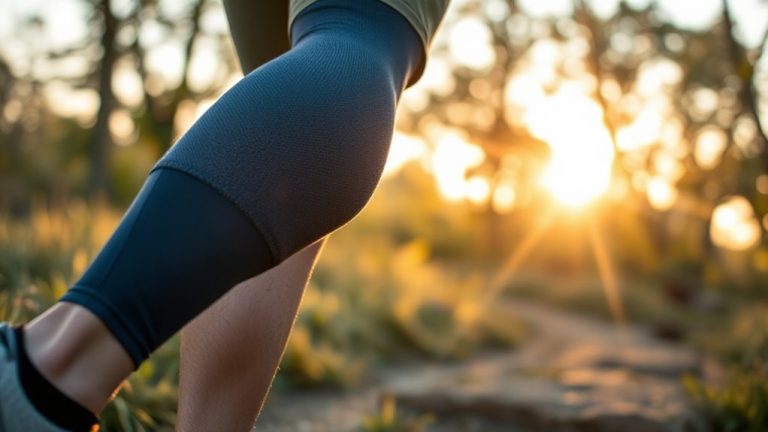
While you might think they’re just tight-fitting clothes, compression garments are specifically engineered to apply graduated pressure to muscles during and after exercise. You’re not just wearing snug fabric-material science guarantees the blend of elastane and nylon offers both flexibility and targeted support. This combination helps maintain shape and durability, even after repeated use and washing. The real innovation lies in the garment design, which follows anatomical mapping to deliver more pressure distally, promoting blood flow back to the heart. Unlike regular athletic wear, these garments use precision in weave density and seam placement to avoid chafing while enhancing performance. You’ll notice they feel tighter at the extremities and looser toward the core. Though not a magic fix, their structured design offers measurable support, making them a credible addition to recovery protocols when used appropriately. Top models are designed with features that enhance both comfort and efficacy, such as moisture-wicking fabric and targeted compression zones found in the best compression sleeves.
How Compression Helps Muscles Heal After Exercise
Since your muscles endure micro-tears and inflammation during intense exercise, compression garments can play a meaningful role in speeding up recovery by improving circulation and reducing swelling. They support muscle regeneration by maintaining ideal tissue alignment and minimizing oscillation during movement. This stability creates a better environment for cellular repair, helping your body rebuild stronger. You’ll likely notice reduced soreness and faster return to peak performance when using them consistently.
| Benefit | Impact on Recovery |
|---|---|
| Reduced muscle vibration | Less secondary damage post-exercise |
| Stable tissue environment | Enhanced muscle regeneration |
| Mild pressure on soft tissues | Accelerated cellular repair |
| Consistent fit and fabric tension | Improved structural support |
Compression isn’t magic-it’s biomechanical support that works best as part of a recovery-focused routine. Use it wisely and see real gains in how quickly you bounce back. For targeted support, consider wearing calf compression sleeves during recovery periods.
How Compression Boosts Blood Flow and Clears Lactate
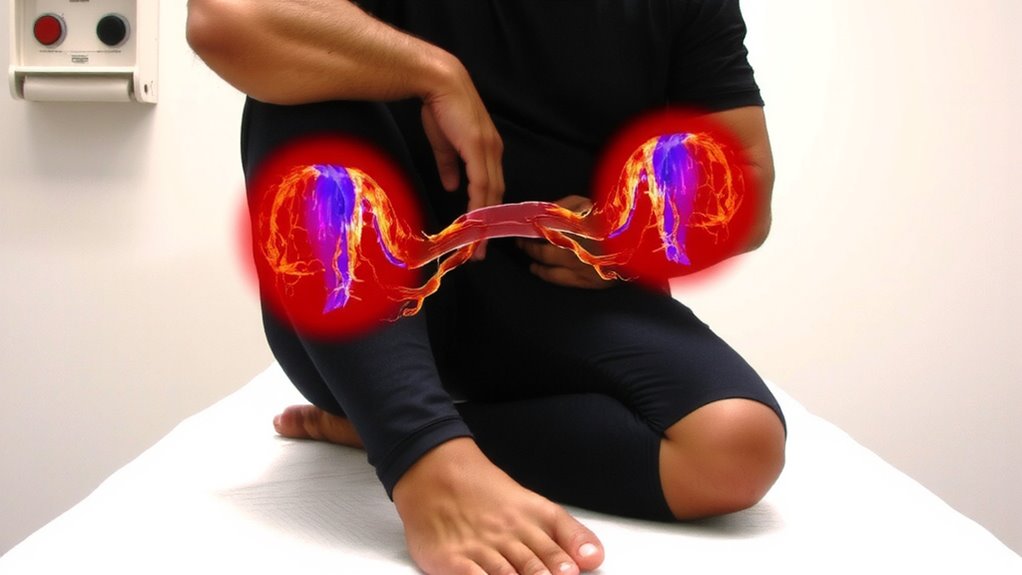
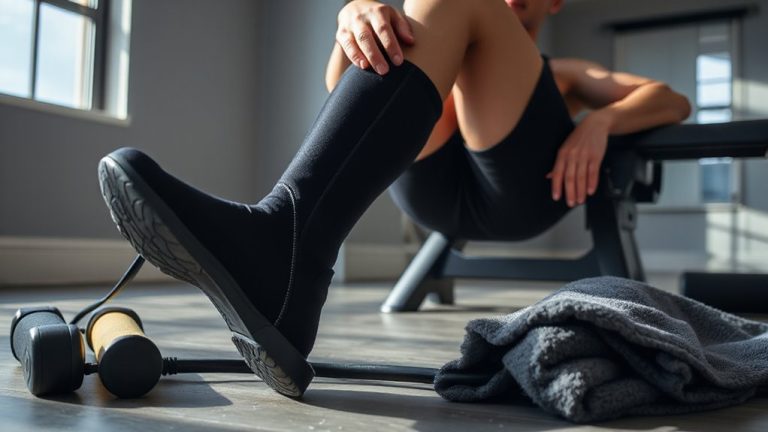
When your muscles are working hard during exercise, they accumulate metabolic byproducts like lactate, which can slow recovery if not cleared efficiently-this is where compression garments step in. By applying graduated pressure, they enhance venous return, helping deoxygenated blood flow back to the heart more effectively. This improved circulation speeds up the removal of metabolic waste, including lactate, from fatigued muscles. You’ll notice that many athletes wear compression sleeves or tights right after intense sessions specifically to support this clearance process. While the garments don’t eliminate fatigue instantly, research shows they meaningfully boost blood dynamics critical for recovery. The design isn’t just tight fabric-it’s engineered to target key muscle groups and optimize pressure distribution. Used consistently, these garments become a practical tool in your recovery routine, turning post-workout downtime into active recovery. In performance terms, the benefit lies not in hype, but in measurable circulatory support. For those seeking advanced recovery support, investing in top-tier options like best compression boots can further enhance results.
How Compression Lowers DOMS and Inflammation
Though you might not feel it immediately after your workout, the real battle for recovery often begins hours later-this is when delayed onset muscle soreness (DOMS) and low-grade inflammation start to set in. Compression garments help by reducing muscle swelling and supporting efficient removal of metabolic waste. The snug fit stabilizes muscle groups, decreasing micro-tears and fluid buildup that contribute to soreness. Below is how key factors respond to compression during recovery:
| Factor | Without Compression | With Compression |
|---|---|---|
| Muscle Swelling | Increased | Reduced |
| Inflammation | Prolonged | Moderated |
| DOMS Severity | High | Lowered |
| Metabolic Waste | Slower clearance | Accelerated removal |
| Recovery Comfort | Moderate | Improved |
You’ll likely notice less stiffness and faster readiness for your next session. While not a cure-all, compression is a practical tool that targets inflammation and soreness where it matters most-within the muscle itself.
What Does the Research Say About Faster Recovery?
Compression doesn’t just ease soreness-it’s also designed to speed up your overall recovery, and research offers some clear insights into how effective it really is. Studies show that wearing compression garments can enhance blood circulation, reduce muscle oscillation, and lower markers of muscle damage, all of which contribute to quicker recovery. You might recover strength faster and experience less fatigue after intense workouts. However, some of the perceived benefits could stem from the placebo effect-believing the gear works may actually make you feel better. Still, those psychological benefits shouldn’t be ignored; feeling supported can boost confidence and focus during training. While the physiological gains are modest, consistent findings across multiple trials suggest real, measurable effects beyond perception. You’re likely getting more than just a mental edge, but the combination of physical support and mental reassurance makes compression a practical tool for serious athletes and weekend warriors alike.
Optimal Timing and Duration for Wearing Compression
While you might be tempted to slip into your compression gear right after a workout, the timing and duration actually matter more than most realize. Studies suggest wearing compression immediately post-exercise offers the best results, as the garments help reduce swelling and stabilize muscles when inflammation peaks. Ideally, you should maintain consistent timing frequency-using them within 30 minutes after training-for maximum effect. Wear duration also plays a critical role; 12 to 24 hours post-exercise appears most effective, aligning with the body’s peak recovery window. Wearing them too briefly may limit benefits, while overuse beyond 48 hours shows diminishing returns. The key is strategic use: align compression with your body’s natural recovery rhythm. This approach enhances circulation and speeds clearance of metabolic byproducts, making your recovery more efficient without overreliance on gear.
How Fit and Pressure Level Affect Recovery Results
Since getting the right fit and pressure level can make or break your recovery, it’s worth paying close attention to how your compression gear actually feels on the body. Poor fit accuracy-whether too tight or too loose-can restrict circulation or fail to provide benefits, undermining your recovery goals. Compression should be snug but not constricting, with graduated pressure that eases from the extremities toward the core. Pressure consistency across the garment guarantees even support and prevents uncomfortable pinch points or dead zones. Ill-fitting sleeves or socks may shift during wear, disrupting compression patterns and reducing effectiveness. Manufacturers often size by limb measurements, so check charts carefully. High-quality garments maintain elasticity over time, preserving both fit accuracy and pressure consistency through multiple uses. Compression that wavers or sags won’t deliver peak blood flow support, delaying muscle repair. Prioritize precision in fit and reliable pressure to maximize recovery.
On a final note
You’re likely to see real benefits from compression garments if you use them wisely. Research shows they enhance blood flow, helping clear lactate and reduce inflammation post-exercise. When fitted properly and worn at the right pressure-usually 20–30 mmHg-they can lessen DOMS and speed recovery. For best results, wear them within a few hours after intense activity, ideally for 12–24 hours. While not a magic fix, they’re a solid, science-backed addition to smart recovery routines.