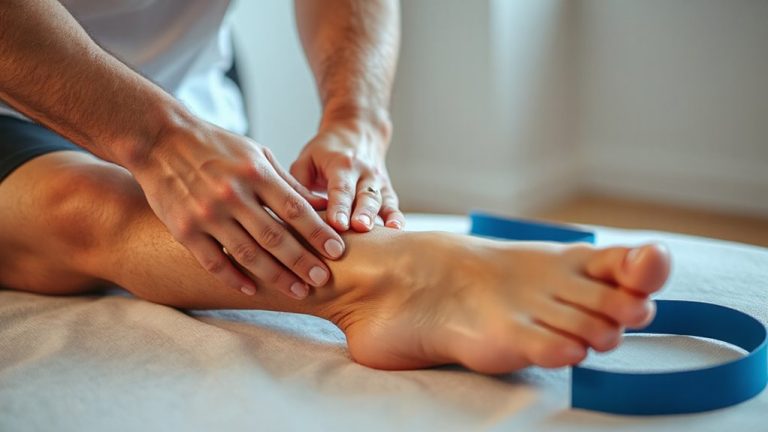
Understanding the Role of Vitamin D Deficiency in Promoting Tendinopathies
You’re more prone to tendinopathies when vitamin D levels are low because it weakens collagen synthesis and tenocyte function, undermining tendon structure. Even with top-tier recovery gear and foam rollers, healing stalls without this key nutrient. Deficiency increases microtear risk and delays repair, especially in aging athletes or those with limited sun exposure. Supplementation and sensible sunlight can restore function. There’s a deeper fix behind the scenes that goes beyond braces or massage.
Notable Insights
- Vitamin D deficiency impairs collagen synthesis, weakening tendon structure and increasing degeneration risk.
- Low vitamin D disrupts tenocyte function, hindering tendon repair and matrix remodeling.
- Deficient levels reduce tendon elasticity, making tissues more prone to microtears under stress.
- Muscle weakness from vitamin D deficiency increases tendon strain during movement and exercise.
- Sun exposure and supplementation support tendon healing by enhancing fibroblast activity and collagen production.
What Is Tendinopathy and How Is It Linked to Vitamin D?
Tendinopathy, often mistaken for simple tendonitis, refers to a broader condition involving degeneration of tendon tissue, sometimes without significant inflammation-something you might overlook if you’re only treating pain with standard recovery gear like braces or foam rollers. While such tools offer temporary relief, they don’t address underlying issues like impaired collagen synthesis, a key factor in tendon repair. You need more than compression or massage; best tendon health depends on biological processes influenced by nutrients, including vitamin D. Though tendon inflammation may be present initially, chronic cases often involve structural breakdown rather than swelling. Vitamin D supports tenocyte function and matrix remodeling, aiding collagen synthesis vital for tendon integrity. Without enough, your body struggles to rebuild effectively, even with ideal training loads. Relying solely on recovery gadgets ignores this metabolic need-potentially prolonging injury. Addressing vitamin D levels becomes essential when persistent tendinopathy resists conventional rehab.
How Does Vitamin D Support Tendon Health?
Think of your tendons as high-tension cables that transfer force from muscle to bone-now picture trying to repair frayed wiring without the right materials. That’s what happens when vitamin D is low. You rely on this nutrient to maintain tendon elasticity and support collagen synthesis, both essential for resilient, functional tendons. Vitamin D receptors in tenocytes-the cells that build tendon tissue-help regulate this process, ensuring your tendons stay strong and flexible. Without enough of it, collagen production slows, weakening tendon structure and reducing its ability to handle mechanical stress. Think of quality fitness gear: just as well-engineered materials prevent equipment failure, vitamin D acts as internal reinforcement, preserving tendon integrity during recovery and activity. It’s not just about supplements or sun exposure-it’s about consistent biological support. You wouldn’t skip routine gear maintenance; don’t overlook the micronutrients keeping your body’s framework in top form.
How Low Vitamin D Causes Tendon Injuries
While your body can temporarily compensate for low vitamin D, ignoring this deficiency gradually undermines tendon resilience, setting the stage for injury. You might not notice it at first, but prolonged insufficiency leads to collagen disruption, weakening the structural integrity of your tendons. Vitamin D plays a direct role in collagen synthesis, and without enough, the repair process falters, making tissues more prone to microtears. At the same time, you’re likely to experience muscle weakness, reducing your ability to stabilize joints and increasing strain on tendons. This double impact-compromised tissue quality and impaired muscular support-heightens injury risk during everyday movement or training. Fitness recovery becomes slower, and even quality recovery gear won’t offset the biological deficit. The evidence suggests that maintaining ideal vitamin D isn’t just supportive-it’s essential for tendon durability and long-term musculoskeletal performance.
Who’s Most at Risk for Vitamin D-Related Tendon Pain?
Who’s really at risk for vitamin D–driven tendon pain? You might be if you’re an outdoor worker or an aging athlete. Outdoor workers spend hours in the sun but often wear protective clothing and sunscreen, which limits vitamin D synthesis despite apparent sun exposure. Meanwhile, aging athletes face natural declines in skin’s ability to produce vitamin D, compounded by increased musculoskeletal demands. Tendons in older, active individuals become less resilient, and without adequate vitamin D, repair processes slow. Research links low serum levels to impaired collagen formation and prolonged recovery times. Even with rigorous fitness routines and recovery gear like compression sleeves or vibration tools, deficiency undermines results. These tools support circulation and tissue repair, but they can’t compensate for poor nutritional status. So, while gear helps, correcting vitamin D levels is essential-especially for those at higher biological or occupational risk.
Early Warning Signs of Deficiency in Tendon Problems
How do you know when your tendon discomfort might point to something deeper-like a silent vitamin D shortfall? You might notice lingering aches, especially in the heels, shoulders, or knees, without a clear injury. Muscle weakness often appears alongside, making daily movements feel harder than they should. Joint stiffness, particularly in the morning or after inactivity, is another red flag. These signs aren’t always dramatic, but they persist-resisting rest or typical recovery methods. Vitamin D plays a key role in collagen synthesis and tissue integrity, so low levels may quietly undermine tendon resilience. If your fitness routine includes supportive gear like braces or compression sleeves, but you’re still struggling, deficiency could be a hidden factor. Unlike temporary strain, this type of discomfort doesn’t respond well to mechanical fixes alone. Recognizing these early symptoms-muscle weakness, joint stiffness, and diffuse tendon pain-can prompt timely testing and steer recovery toward long-term solutions instead of short-term patches.
Does Vitamin D Supplementation Help Tendon Healing?
Could the right vitamin D dosage be the missing piece in your tendon recovery plan? Research suggests it might. Vitamin D plays a key role in tendon regeneration by supporting fibroblast activity and reducing inflammation. Without adequate levels, your body struggles with collagen synthesis-the foundation of tendon strength and elasticity. Studies show supplemented individuals often experience improved tendon structure and reduced pain, especially those with existing deficiencies. While vitamin D won’t replace rest or proper rehab, it acts as a biological enhancer, optimizing your tissue’s ability to heal. Think of it like maintaining high-quality materials in fitness gear: just as reinforced stitching prolongs equipment life, proper nutrient support prolongs tendon function. However, benefits plateau at maximum levels-more isn’t always better. You’ll need consistent, measured intake tailored to your needs. For lasting tendon healing, pairing supplementation with targeted rehab offers the strongest results-backed by both physiology and clinical observation.
Boost Vitamin D Levels for Faster Tendon Recovery
Why do some athletes recover from tendon injuries more quickly despite following similar rehab protocols? You might boost your own recovery by optimizing vitamin D levels. Evidence suggests sufficient vitamin D enhances collagen production, critical for tendon repair. If you’re deficient, healing slows-simple sun exposure could help. Just 10–30 minutes of midday sunlight several times a week boosts your body’s vitamin D synthesis, especially in lighter skin tones. For those with limited access to sunlight, dietary sources like fatty fish, fortified dairy, and egg yolks provide alternatives, though often not in sufficient amounts. Supplementation, under guidance, closes the gap. While fitness recovery gear supports mechanics and circulation, it doesn’t fix biochemical deficits. You need the right nutrients to complement physical therapies. Prioritize sun exposure and dietary sources first-your tendons depend on this synergy for timely, effective healing.
On a final note
You’re likely underestimating how essential vitamin D is for tendon recovery. Without sufficient levels, collagen synthesis slows, weakening tendon structure and delaying healing. Research supports supplementation for deficient individuals, noting improved outcomes in strength and pain reduction. While gear like braces or recovery tools help manage symptoms, fixing the deficiency tackles the root cause. You’ll recover smarter by combining proper nutrition-especially vitamin D-with targeted support, ensuring both immediate relief and long-term tendon resilience.