The Role of Massage Therapy in Managing Fascia Dysfunction and Scar Tissue
You feel how stuck fascia and scar tissue limit your movement, but massage therapy helps by releasing tension and reorganizing damaged fibers. Targeted techniques like cross friction and myofascial release improve flexibility, reduce stiffness, and boost circulation to speed recovery. When timed right-after initial healing-it breaks down adhesions and restores function. Combined with proper hydration and movement, massage enhances long-term mobility. There’s more to uncover about optimizing your recovery.
Notable Insights
- Massage therapy improves fascia elasticity by hydrating and loosening stiff, adhered connective tissue.
- Targeted massage disrupts disorganized scar tissue collagen fibers, restoring functional mobility and reducing adhesions.
- Cross friction massage realigns scar tissue collagen by applying pressure perpendicular to fiber direction.
- Myofascial release complements scar remodeling by addressing tension in surrounding fascial networks.
- Proper timing of massage-after initial healing-supports recovery without compromising tissue repair.
What Is Fascia and Why Does It Matter?
Fascia-think of it as your body’s internal cling wrap-plays a key role in how you move, recover, and respond to physical stress. This web-like network surrounds muscles, bones, and organs, forming a continuous fascia structure that supports alignment and movement efficiency. When well-hydrated and pliable, it enhances flexibility and force distribution, directly influencing connective health. You’re likely to experience smoother motion and reduced injury risk when your fascia remains supple. Stiffness or adhesions in this system, however, can impair mobility and hinder post-exercise recovery. Modern recovery tools-like textured rollers and vibration guns-target these tissues, though their effectiveness depends on consistent, informed use. You’re better off combining such gear with active recovery, since mechanical stimulation alone won’t restore peak function. Ultimately, prioritizing fascial maintenance is as essential as training itself. For those exploring self-myofascial release, choosing the right best foam rollers can significantly impact treatment effectiveness.
How Scar Tissue Forms and Why Massage Helps
Injury triggers a silent repair crew beneath your skin-scar tissue-that forms when collagen fibers rush in to patch damaged areas, often creating dense, tangled clusters instead of the smooth, parallel alignment found in healthy tissue. This disorganized layout defines scar formation, which, while necessary, can restrict movement and lead to tissue adhesion over time. You’re not just dealing with surface changes; these internal bonds can bind muscles, limit flexibility, and alter biomechanics. Without intervention, scar tissue may mature into rigid networks that compromise function. Massage helps by stimulating blood flow and encouraging realignment of these fibers, supporting more natural tissue behavior. It won’t erase scars, but it can lessen their impact. When paired with consistent movement and recovery practices, massage becomes a key player in restoring balance. Think of it as routine maintenance-not a cure, but a way to keep your body working as it should. High-frequency massage guns can enhance this process by delivering targeted percussion therapy to break up adhesions and improve circulation.
How Massage Breaks Down Scar Tissue
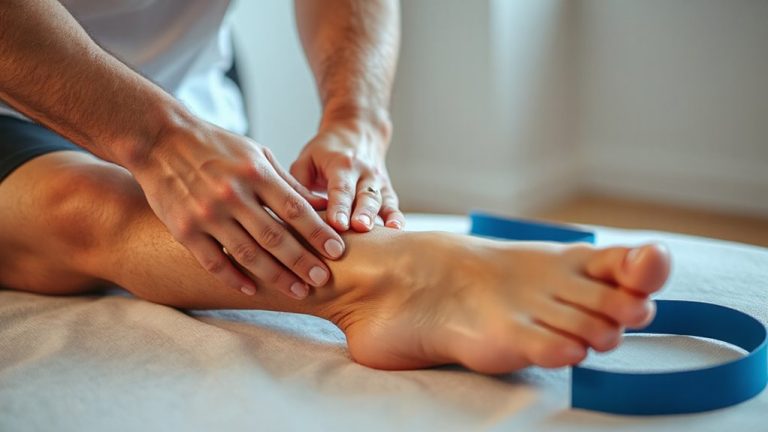
How does massage actually get to work on stubborn scar tissue? It applies targeted pressure and sustained friction to disrupt the dense, matted fibers formed during healing. Over time, this mechanical stress helps break up scar adhesion, which otherwise restricts movement and pulls on surrounding structures. You’ll notice improved tissue mobility as the collagen fibers begin to align more naturally, regaining flexibility and function. Massage also boosts circulation, delivering fresh nutrients that support tissue repair. While results aren’t instantaneous, consistent sessions gradually soften the area, reducing stiffness and discomfort. Think of it as remodeling rather than erasing-massage won’t make scars vanish, but it can restore better movement and resilience. For lasting benefits, combining massage with proper hydration and movement amplifies outcomes, making it a practical, non-invasive tool in your recovery toolkit. Using a high-quality best massage guns can enhance the effectiveness of self-myofascial release between professional therapy sessions.
Best Massage Techniques for Scar Tissue Remodeling
While no single technique works universally, certain massage methods stand out for effectively remodeling scar tissue when applied consistently and correctly. You’ll find that cross friction massage is particularly valuable-it targets adhesions by applying deep pressure perpendicular to the scar’s fiber direction, encouraging realignment and increased mobility. This technique disrupts disorganized collagen, promoting more functional tissue repair over time. Deep pressure, when used mindfully, enhances this effect by stimulating mechanoreceptors and improving blood flow to the area, though excessive force can cause irritation rather than healing. Other methods like myofascial release complement these results by addressing surrounding tension. You should apply these techniques after scar maturation, allowing enough time for initial healing. Consistent, measured sessions yield the best outcomes, especially when paired with proper hydration and movement. Your approach should prioritize precision over intensity, focusing on controlled, deliberate strokes to support long-term structural improvement.
When to Use Massage After Injury or Surgery
You shouldn’t rush into massage after an injury or surgery, as timing plays a critical role in whether the treatment supports healing or causes harm. During the acute inflammation phase, massage can worsen swelling and delay recovery, so it’s best avoided. Once initial inflammation subsides, typically after 48–72 hours, gentle techniques may begin-provided they don’t stress the healing tissue. For surgical cases, post op timing is especially vital; many clinicians recommend waiting at least two weeks before introducing massage, depending on the procedure and individual healing. Early intervention with improper pressure or technique risks disrupting tissue repair. Instead, a cautious, phased approach aligns better with the body’s natural recovery timeline. Properly timed massage enhances circulation, reduces adhesion formation, and improves fascial mobility-supporting not just recovery speed but long-term function.
Build a Recovery Plan With Massage
Since healing isn’t just about time but also about strategy, building a recovery plan with massage means integrating targeted touch at the right phases to support tissue repair and movement quality. Your recovery timeline isn’t fixed-it shifts based on injury severity, tissue response, and activity goals. Massage, when timed well, can reduce adhesions, improve fascial glide, and ease scar tissue stiffness. Treatment frequency should match healing stages: weekly sessions early on, tapering as mobility improves. Overdoing it can irritate tissues, while too little may limit gains. Think of massage as part of a broader recovery system-like proper sleep, hydration, and gradual loading. It’s not a standalone fix but a smart support. Pair it with movement assessments and self-care, and you’ll see better, lasting results in both function and resilience.
On a final note
You’re likely to see real improvements in mobility and comfort when using massage therapy to address fascia dysfunction and scar tissue. It’s not a miracle fix, but consistent, targeted techniques-like myofascial release and cross-fiber friction-help remodel scar tissue and restore function. Paired with smart recovery gear, such as foam rollers or percussive massagers, you boost circulation and support long-term healing, especially when timed right after injury or surgery.