Why Athletes Should Incorporate Active Recovery Into Their Training Regimes
You recover faster when you move intentionally instead of sitting still. Active recovery boosts blood flow to clear lactate and deliver oxygen-rich nutrients that repair muscle tissue. It reduces soreness, enhances mobility, and supports nervous system balance. Light cycling, yoga, or foam rolling keep your body primed without strain. This smart approach helps you train harder and more frequently while lowering injury risk. You’ll feel the benefits within 24–48 hours-and see how small moves make a big difference over time.
Notable Insights
- Active recovery enhances muscle repair by boosting blood flow to deliver oxygen and nutrients while clearing metabolic waste.
- It reduces delayed onset muscle soreness and improves joint mobility more effectively than passive rest.
- Low-intensity activities like walking or cycling help maintain aerobic fitness without overloading recovering muscles.
- Active recovery supports nervous system balance, reducing fatigue and lowering the risk of overtraining.
- Regular use accelerates recovery between intense sessions, enabling higher training frequency and better long-term performance.
What Is Active Recovery and How It Works
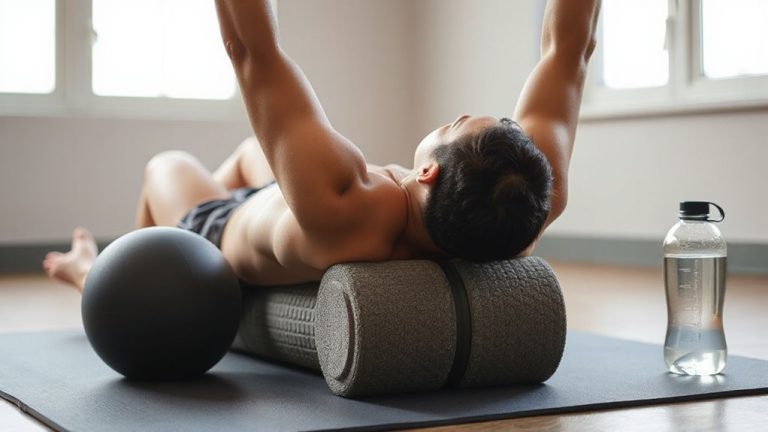
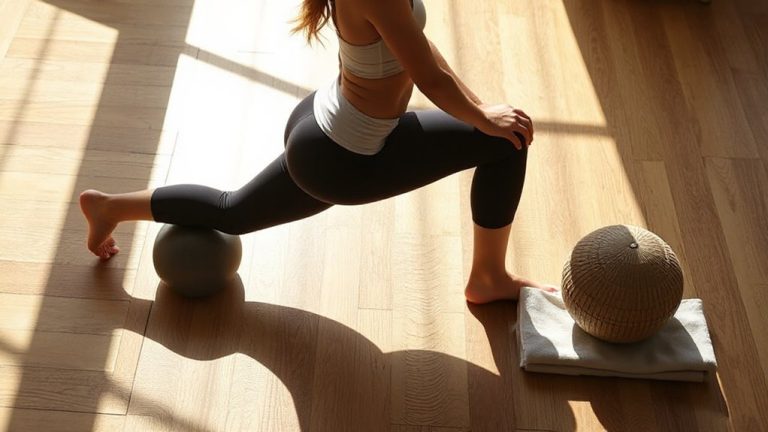
While passive rest might seem like the obvious choice after a tough workout, active recovery offers a smarter, science-backed way to bounce back stronger. You’re not just resting-you’re moving in recovery zones that boost circulation and clear metabolic waste like lactate more efficiently. This form of active rest keeps your heart rate low, typically 50–65% of your max, letting your body repair without added strain. Think of it as a tune-up, not full shutdown. Research shows it reduces soreness and improves joint mobility better than complete inactivity. Unlike passive rest, which can stiffen muscles, active recovery maintains neuromuscular coordination, priming you for the next effort. It’s not about intensity; it’s about smart stimulus. Equipment like foam rollers or compression gear can enhance recovery zones by supporting blood flow and reducing inflammation. Used correctly, fitness recovery tools become essential-not optional-in your training toolkit. Choosing the right best foam rollers can significantly improve the effectiveness of your self-myofascial release during active recovery.
Try These Top Active Recovery Activities
A smart recovery routine starts with choosing the right low-intensity activities that keep your body moving without overloading stressed muscles. Foam rolling and stretching routines are essential tools-you’re not just cooling down, you’re helping your muscles reset. Below are top active recovery choices, their benefits, and gear worth considering:
| Activity | Key Benefit | Recommended Gear |
|---|---|---|
| Walking | Boosts circulation gently | Supportive sneakers |
| Yoga | Enhances flexibility and focus | Non-slip mat, breathable wear |
| Foam rolling | Releases muscle tightness | High-density foam roller |
| Dynamic stretching routines | Prepares muscles for rest | Resistance bands, open space |
These activities improve recovery efficiency when applied consistently. Foam rolling especially targets knots, while structured stretching routines increase mobility. Using quality fitness recovery gear guarantees effectiveness and comfort. You’ll move better the next day-not just survive, but stay ready. Upgrading to a vibrating foam roller can enhance muscle relaxation through dynamic pressure and percussive therapy.
Reduce Soreness With Light Movement
You’ve already built a solid recovery foundation with activities like yoga, walking, and foam rolling-now it’s time to put those tools to work specifically against muscle soreness. Gentle stretching helps restore range of motion and eases tightness by relaxing contracted muscles, making it ideal post-workout or on rest days. When combined with low intensity cycling, which promotes circulation without straining fatigued tissues, you create a powerful duo for soreness management. These movements encourage muscles to release built-up tension, reducing stiffness and improving daily function. Unlike passive rest, light activity signals the body to repair itself efficiently. Active recovery gear like compression sleeves or padded yoga mats can enhance these routines, offering support and comfort. While effectiveness varies by individual, most athletes report noticeable relief within 24–48 hours when consistently applying these methods. For those incorporating heavy squats into their training, using knee straps for squats can further support joint stability during active recovery sessions.
Speed Muscle Repair by Increasing Blood Flow
Because your muscles rely on oxygen and nutrients to repair after intense effort, increasing blood flow through active recovery isn’t just helpful-it’s essential. Enhanced circulation delivers what your tissues need for faster cellular regeneration, speeding up recovery time. Low-intensity activities like cycling or swimming keep your body moving without strain, promoting blood delivery exactly where it’s needed.
| Activity | Duration | Benefit |
|---|---|---|
| Light cycling | 20 min | Boosts oxygen flow to legs |
| Walking | 30 min | Improves joint mobility |
| Swimming | 15 min | Supports full-body circulation |
| Foam rolling | 10 min | Aids muscle relaxation |
This approach maximizes recovery efficiency. You’re not just resting-you’re actively encouraging repair. With consistent use, these methods support long-term performance gains by prioritizing recovery as much as training. It’s smart, science-backed, and effective.
Avoid Injury With Daily Mobility
Maintaining proper mobility isn’t just about flexibility-it’s a key factor in reducing injury risk during both training and recovery. When you move daily, even lightly, you support joint health by lubricating connective tissues and maintaining range of motion. This isn’t just feel-good advice; improved mobility directly contributes to injury prevention by correcting muscle imbalances and reducing strain on tendons and ligaments. Think of it as maintenance for your body’s mechanics. Dynamic stretches, foam rolling, and mobility drills keep your system functioning efficiently. Over time, consistent movement enhances structural resilience, especially in high-stress areas like hips, shoulders, and spine. Skipping it? That’s when small tightnesses turn into setbacks. Athletes who prioritize mobility rarely deal with sudden pulls or joint flare-ups. It’s not about adding more work-it’s about moving smarter. Your body adapts better, recovers faster, and stays protected when joint health is a daily focus.
Train Harder With Smarter Recovery Days
While pushing your limits builds strength and endurance, what you do on recovery days determines how well those gains stick-and whether your performance keeps climbing or stalls. Active recovery isn’t just a break-it’s a strategic tool for mental clarity and energy restoration. Instead of complete rest, low-intensity activities like walking, swimming, or using recovery-focused gear (think percussion massage devices or compression boots) enhance blood flow and reduce soreness. These methods help your body repair muscle tissue efficiently, so you can train harder the next day. Unlike passive rest, smart recovery stimulates physiological and cognitive benefits: you’ll feel more focused and less fatigued. When done right, it supports consistent progression, minimizes burnout, and keeps motivation high. Recovery gear, while an investment, pays off in improved readiness and performance. Prioritize recovery like a workout-because it is.
Time Your Active Recovery Right
When should you squeeze in that post-workout walk or turn to your compression boots-hours after training, the next morning, or only when soreness hits? The answer lies in understanding recovery windows. Your body’s response to exercise peaks within the first 24 to 48 hours, making this period critical for ideal timing. Light movement soon after intense sessions boosts circulation and reduces stiffness. Waiting until soreness hits may delay benefits.
| Recovery Activity | Best Timing |
|---|---|
| Post-workout walk | 0–2 hours after |
| Compression gear use | 2–6 hours after |
| Dynamic stretching | Within 24 hours |
Using fitness gear like foam rollers or recovery boots during early recovery windows enhances effectiveness. These tools aren’t magic-they work best when applied with purpose and timing. Active recovery isn’t just about feeling good; it’s about aligning with your body’s physiological rhythms to train smarter.
On a final note
You’ll recover smarter by making active recovery part of your routine. Light workouts boost blood flow, speed muscle repair, and reduce soreness without straining your body. Activities like foam rolling, swimming, or cycling enhance mobility and prevent injury over time. Pair these with quality fitness gear-durable foam rollers, supportive recovery shoes, and moisture-wicking wear-for better results. Timing matters: schedule active recovery between intense sessions to maintain performance and long-term progress.