Functional Strength for Hockey Players: Eccentric Stickhandling Drills
You build functional strength with eccentric stickhandling by slowing down resisted movements to boost muscle engagement and neural control. This method sharpens puck feel, improves proprioception, and strengthens neuromuscular responses critical for tight spaces and high-pressure plays. Quality reps matter most-focus on control, not speed. Pair drills with recovery tools like compression gear to sustain performance. There’s more to master about timing, technique, and real-game application.
Notable Insights
- Eccentric stickhandling builds functional strength by increasing muscle activation under controlled, resisted movements.
- Slow, deliberate puck handling enhances neuromuscular connections for superior stickfeel and puck control.
- Extended time under tension improves proprioception, fine motor control, and hand-speed coordination.
- Perform drills after warm-ups and early in the week to establish motor patterns effectively.
- Avoid rushed reps and poor posture to maximize precision and real-game applicability.
What Is Eccentric Stickhandling and Why It Works
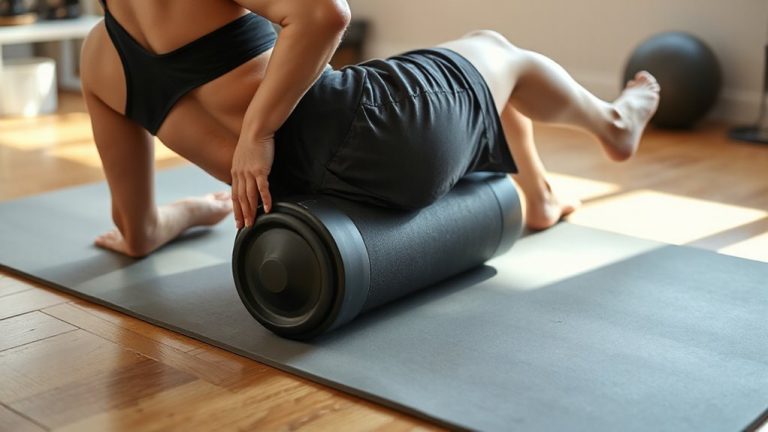
Why do some hockey players maintain such precise control under pressure, even as defenders close in? You’re seeing eccentric stickhandling at work-a training method that enhances muscle activation and demands real-time neural adaptation. When you perform controlled, slow resisted movements with the stick, your muscles lengthen under tension, building functional strength directly linked to puck handling. This isn’t just about brute force; it’s about training your nervous system to stabilize and react efficiently. The increased time under tension boosts proprioception and fine motor control, making your hands quicker and more resilient during gameplay. Equipment like weighted training pucks or resistance bands supports this, but recovery tools-compression gear, foam rollers-are essential to sustain performance. Without proper recovery, neural fatigue dulls adaptation. Eccentric training works because it merges physical load with neurological refinement, creating durable, game-ready control grounded in science, not just repetition.
How Eccentric Stickhandling Builds Puck Control
While most players focus on speed and repetition, it’s the slow, controlled resistance of eccentric stickhandling that truly sharpens puck control by strengthening the neuromuscular connections responsible for precision. You develop finer tactile feedback through deliberate movements, enhancing stickfeel development over time. By resisting the puck’s motion, your forehands and backhands gain sensitivity, letting you manipulate the puck with subtle wrist and finger adjustments. This isn’t just muscle memory-it’s neural adaptation in action, where your brain learns to send more accurate motor signals based on real-time feedback. The result? You handle tight spaces and high-pressure situations with improved composure. Eccentric training forces your nervous system to adapt, refining coordination and reaction timing. Unlike passive drills, this method actively builds control under load, translating directly to game scenarios. Consistent practice doesn’t just condition your hands-it upgrades the entire feedback loop between your mind, stick, and puck.
3 Foundational Eccentric Stickhandling Drills
When you slow the movement to focus on control, eccentric stickhandling drills become far more than just hand exercises-they transform into precision training that builds the neuromuscular responsiveness critical for elite puck handling. You’re not just moving the puck-you’re refining Stickhandling Tempo, syncing hand speed with cognitive processing. Each deliberate, slowed motion forces greater Puck Awareness, enhancing your ability to sense position and pressure through the blade. Start with basic cone drills, dragging the puck backward with extended reach, resisting the temptation to rush. The extended time under tension sharpens fine motor control, much like slow lifts build functional strength. These foundational movements prime your nervous system, making reactive plays feel faster and more intuitive. You’ll notice improved edge work and tighter control during live play, as the drills translate directly to game scenarios. They’re not flashy, but their impact is measurable in tighter dekes and cleaner exits.
When to Add Eccentric Drills to Practice
Since eccentric stickhandling drills demand heightened focus and neuromuscular coordination, you’ll want to integrate them early in your practice session-ideally after a dynamic warm-up but before high-intensity skating or skill work-so your hands and mind are fresh enough to maintain control and precision. Proper practice timing guarantees maximum motor learning and reduces compensatory movements. These drills also support injury prevention by enhancing joint stability and tissue resilience under load. Below is a guide for integrating eccentric work based on weekly structure:
| Practice Phase | Drill Placement | Primary Benefit |
|---|---|---|
| Early Week | Post-warm-up | Motor pattern establishment |
| Midweek | Skill segment | Neuromuscular refinement |
| Late Week | Pre-fatigue | Control under mild stress |
| Game Week | Light reps, low volume | Maintenance without fatigue |
| Off-ice Training | Post-activation | Transfer to on-ice performance |
3 Mistakes That Ruin Eccentric Stickhandling
Why do some players struggle to see gains from eccentric stickhandling despite consistent effort? Because poor posture undermines control and power transfer from the core to the stick. When you hunch or round your shoulders, you reduce stick feel and limit blade precision, making each movement less effective. It also increases joint strain, raising injury risk over time. Another major issue? Rushed repetitions. Eccentric training depends on slow, controlled lowering phases to build strength and neuromuscular coordination. When you cut reps short or speed through them, you lose the time-under-tension needed for functional adaptation. Instead of building strength, you’re just repeating mistakes. Focus on maintaining a strong athletic stance and strict tempo. Quality trumps quantity here-five deliberate reps beat twenty sloppy ones. Fix these errors, and your drills will translate into real puck control and durable performance.
Use Eccentric Stickhandling in Game Situations
How often do you actually apply eccentric stickhandling under real-game pressure, where timing, balance, and control make or break possession? You need this skill when absorbing checks while maintaining puck control, especially during quick shifts from offense to defense. Eccentric stickhandling shines when you’re decelerating the puck under pressure, not just moving it fast. It demands game awareness-reading defenders, anticipating passes, and adjusting hand speed without losing edge control. On odd-man rushes or cycle plays, using controlled, resisted motions keeps the puck glued to your stick while you scan for options. You’re not just handling; you’re loading energy like a spring for explosive next moves. Top players use it subtly, blending strength and finesse. Training this under live conditions builds functional consistency. Without applying it in real scenarios, the drill work loses value. Game-speed repetition locks it in.
On a final note
You’re building functional strength with eccentric stickhandling, and it shows in tighter puck control and smoother edge shifts. These drills enhance neuromuscular coordination, forcing precise, controlled movements that replicate game-speed demands. When paired with proper recovery gear-compression sleeves, foam rollers-you reduce soreness and maintain consistency. The gear isn’t flashy, but it supports adaptation. Used wisely, both drills and recovery tools maximize on-ice performance, making your training smarter, not just harder.