Advanced Physical Therapy Techniques for Managing Recurrent Tendinopathy Episodes
You won’t fix recurrent tendinopathy with rest alone-your tendon’s repair system is already overwhelmed. Eccentric strengthening rebuilds collagen and boosts tensile strength, while shockwave therapy jumpstarts healing when progress stalls. Pair these with gait retraining to reduce stress and correct faulty movement patterns. A solid maintenance plan using cross-training, proper pacing, and supportive gear keeps you resilient. Smart recovery isn’t passive; it’s active rebuilding with the right tools and strategy guiding every step forward.
Notable Insights
- Eccentric strengthening rebuilds tendon integrity by stimulating collagen realignment and improving tensile strength through controlled lengthening under load.
- Shockwave therapy promotes healing in stubborn cases by enhancing blood flow and breaking down degenerative tissue with focused acoustic pulses.
- Movement retraining reduces tendon stress via gait corrections, optimizing foot strike, cadence, and neuromuscular control to prevent re-injury.
- A structured maintenance plan prevents relapse by combining cross training, activity pacing, and supportive footwear with gradual progression.
- Passive recovery tools fail to address cellular dysfunction; advanced therapy requires active loading and tissue remodeling strategies.
Why Recurrent Tendinopathy Won’t Heal With Rest Alone
While rest might seem like the logical first step when tendon pain flares up again, it won’t fix the underlying issue-your tendon has likely become dysregulated in how it adapts to load, and simply stopping activity only delays the necessary repair process. You’re not just dealing with inflammation; you’re facing tendon degeneration, where collagen structure breaks down and your tissue loses resilience. This isn’t merely wear and tear-it’s cellular dysfunction, with tenocytes struggling to maintain balance between repair and breakdown. Without controlled loading, your tendon’s ability to regenerate weakens further. Passive recovery tools like foam rollers or braces might offer temporary relief, but they don’t address these deeper physiological flaws. Fitness gear that only supports rest, rather than progressive loading, ultimately underperforms. You need strategies that challenge the tendon appropriately-skipping that step means accepting recurring setbacks, no matter how well you recover between episodes.
Fix Tendon Damage With Eccentric Strengthening
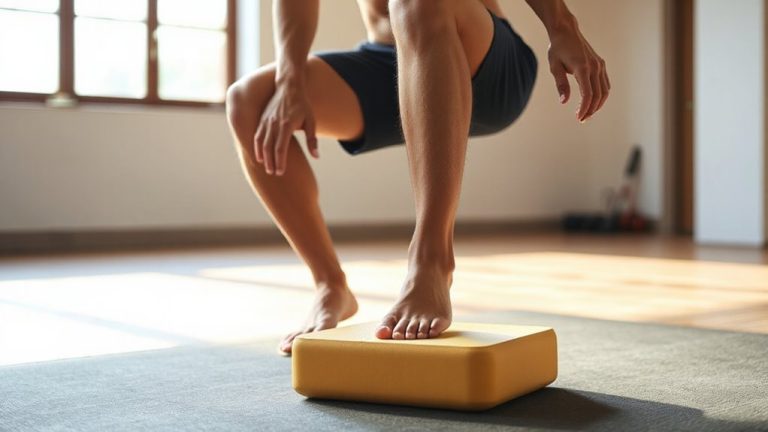
Eccentric strengthening isn’t just another exercise trend-it’s a clinically supported method for rebuilding tendon integrity when damage has become persistent. You’re actively stimulating tendon remodeling by lengthening the muscle-tendon unit under load, which encourages collagen realignment and increases tensile strength over time. Studies show it’s especially effective for Achilles and patellar tendinopathies, where traditional rest fails. When you perform these exercises consistently, you improve muscle synergy-ensuring surrounding muscles work together efficiently, reducing strain on the injured tendon. Slow, controlled movements are key; aim for 3 sets of 15 reps, twice daily, on a stable surface. Over time, you’ll notice less pain during activity and better load tolerance. While recovery gear like compression sleeves may offer temporary support, they don’t replace the structural benefits eccentric training delivers. This isn’t a quick fix, but a proven strategy to rebuild resilience from within.
Activate Healing in Stubborn Cases With Shockwave Therapy
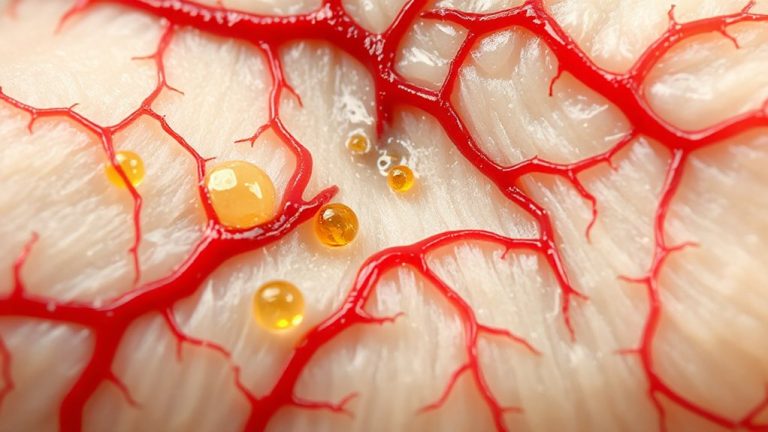
What happens when eccentric exercises don’t bring the progress you expected? That’s where shockwave therapy steps in-especially for stubborn tendinopathy cases stuck in a cycle of pain and incomplete recovery. You’re likely dealing with impaired cellular regeneration and dysfunctional tissue remodeling, which is why standard rehab sometimes fails. Shockwave therapy delivers focused acoustic pulses to the injured tendon, stimulating blood flow and jumpstarting healing at a cellular level. Studies show it enhances cellular regeneration and accelerates tissue remodeling, helping break down degenerative tissue while encouraging healthier tendon structure. It’s non-invasive, often requiring just 3–5 sessions, and works best when tailored to your specific condition. While not a magic fix, it’s a strong option when first-line treatments plateau. You’ll likely notice reduced pain and improved function, giving you a better shot at long-term recovery. For optimal results, selecting a high-quality device is crucial-look for a machine designed with clinical precision and adjustable energy settings, as seen in the best shockwave therapy machines on the market. Top picks include models frequently used in rehabilitation clinics for their consistent performance and ease of use.
Retrain Movement to Prevent Re-Injury
You’ve reduced the pain and jump-started healing with shockwave therapy, but that doesn’t mean your tendon is ready to handle the same loads and movements that led to injury in the first place. You need to retrain how your body moves to prevent re-injury. Gait retraining helps correct inefficient walking or running patterns that may overload vulnerable tendons, especially in the lower limbs. By adjusting stride length, foot strike, or cadence, you reduce peak tendon stress. More importantly, rebuilding neuromuscular control guarantees your muscles fire in the right sequence and intensity during dynamic tasks. This coordination protects the tendon during sudden or complex movements. Techniques like real-time biofeedback and targeted motor drills are effective because they promote lasting movement changes. Without addressing these faulty mechanics, even the most advanced recovery tools fall short. Proper movement retraining doesn’t just support healing-it prepares your body to safely meet physical demands long term.
Build a Maintenance Plan to Stop Relapse
How do you keep your progress from unraveling after months of rehabilitation? The answer lies in a well-structured maintenance plan. You can’t afford to stop once symptoms fade-tendinopathy thrives on inconsistency. Incorporate cross training benefits by alternating load-bearing activities like running with low-impact options such as swimming or cycling. This reduces repetitive strain while maintaining fitness. Activity pacing is just as critical: sudden spikes in volume or intensity invite relapse. Use a weekly log to track effort, pain response, and recovery time. Gradual progression, guided by your body’s feedback, guarantees sustainability. Supportive footwear and appropriately designed fitness gear enhance joint alignment and reduce tissue stress. Maintenance isn’t passive-it’s active injury prevention. Combine strength work, flexibility, and smart planning, and you’ll stay ahead of recurrence without sacrificing performance or long-term mobility. Consistency beats intensity every time. Incorporating Top Muscle Recovery Devices can further accelerate healing and support consistent training.
On a final note
You won’t fix recurrent tendinopathy with rest alone-it often worsens without targeted stimulation. Eccentric loading rebuilds tendon strength, while shockwave therapy jumpstarts healing in stubborn cases. Retraining movement patterns corrects underlying flaws that contribute to re-injury. A consistent, personalized maintenance plan keeps tendons resilient. Combined, these strategies outperform passive recovery, proving superior for long-term tendon health and function when supported by proper technique and adherence.