Safe and Gentle Yoga Poses for Older Adults Managing Arthritis During Active Recovery
You can safely manage arthritis during recovery with gentle yoga that emphasizes alignment and mindful movement. Poses like cat-cow and seated forward bends improve joint lubrication and reduce stiffness without strain. Use a chair or block to adapt postures and protect sensitive joints. Avoid deep stretches and prioritize consistency over intensity. With supportive gear like a non-slip mat and proper props, you’ll build resilience-there’s more to discover about optimizing each practice.
Notable Insights
- Gentle poses like cat-cow and seated forward bends improve joint lubrication and reduce stiffness safely.
- Use chairs or bolsters to support balance and decrease joint compression during practice.
- Avoid deep stretches and prioritize alignment to prevent inflammation and joint strain.
- Practice short, consistent sessions to maintain mobility without triggering arthritis flare-ups.
- Focus on breath-awareness and mindful movement to enhance circulation and reduce pain over time.
5 Gentle Yoga Poses for Arthritis Relief
While arthritis can make movement painful, gently stretching through yoga often brings noticeable relief and improved joint function over time. You’ll find that breath awareness helps you stay present, reducing tension with each inhale and exhale. This isn’t just about flexibility-mindful movement teaches you to shift smoothly between poses, protecting inflamed joints while enhancing circulation. Gentle flows like cat-cow or seated forward bends support joint lubrication and decrease stiffness without strain. Studies show consistent practice can reduce pain scores in older adults by promoting muscular support around affected areas. You don’t need advanced fitness gear-just a non-slip mat and comfortable clothing to maintain alignment and safety. Recovery isn’t passive; it’s an active process where yoga serves as both exercise and therapeutic tool. Over weeks, you’ll likely notice greater ease in daily movements, confirming yoga’s role in sustainable fitness recovery for arthritis management.
Adapt These Poses for Joint Pain or Stiffness
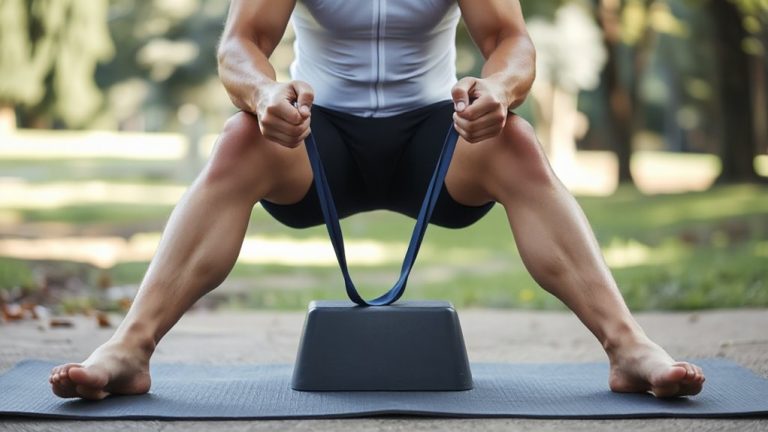
How do you maintain the benefits of yoga when joint pain or stiffness makes even gentle poses uncomfortable? You adapt-using props, alignment tweaks, and mindful modifications to protect vulnerable joints. For example, Modified bridges reduce lower back and knee strain by lifting only slightly or supporting the pelvis with a block. This maintains spinal mobility without overloading arthritic hips. Seated twists, when done with a stable spine and gentle rotation, improve thoracic flexibility and digestion, but they should be performed slowly, avoiding any forceful movement that could aggravate inflammation. Using a chair or bolster helps maintain balance and decreases joint compression. These adjustments aren’t a compromise-they’re smart, sustainable refinements that let you practice consistently. In active recovery, preserving joint range while minimizing pain is key, and adaptive poses like these support long-term fitness recovery without risking flare-ups.
Avoid These 5 Yoga Mistakes With Arthritis
Because your joints are already under stress from arthritis, pushing into deep stretches or holding poses too long can do more harm than good-so it’s essential to recognize that not all yoga cues apply to your situation. Overexertion risks include increased inflammation and joint damage, especially when you ignore pain as a warning sign. You might feel pressure to keep up, but modifying poses isn’t failure-it’s smart recovery. Improper alignment, like misaligned wrists or knees, increases strain and reduces benefits. For example, sinking into a lunge without proper support risks cartilage wear. Use props like blocks or chairs to maintain stability. Avoid locking joints or forcing range of motion, which compromises joint integrity. Listen to your body’s feedback during each movement. Safe practice means prioritizing control over depth. Consistency with correct form yields better long-term results than intensity. Stay mindful, not ambitious.
Make Yoga a Habit: Without Flare-Ups
Often, the key to lasting progress with yoga when you have arthritis isn’t intensity-it’s consistency. Practicing regularly, even in small sessions, offers real consistency benefits, helping maintain joint mobility and reduce stiffness over time. When you build a sustainable routine, you support long-term pain prevention rather than just temporary relief. Short, daily stretches or mild flows are more effective than occasional intense sessions, which could trigger flare-ups. Listen closely to your body-gentle cues like minor discomfort signal when to ease off. Proper recovery includes rest and hydration, just as much as movement. Wear comfortable clothing that allows full range of motion, and consider non-slip mats to enhance stability. Recovery isn’t passive; it’s an active process where mindful habits protect joint health. By prioritizing consistency and smart choices in your practice, you’re not just exercising-you’re investing in sustainable joint resilience and functional strength through intentional, safe movement patterns.
Why Gentle Yoga Eases Arthritis During Recovery
While high-impact workouts might strain tender joints, gentle yoga supports arthritis recovery by balancing movement with mindful control, helping you maintain mobility without overloading inflamed areas. You benefit from improved joint lubrication as slow, deliberate motions encourage synovial fluid circulation, which cushions and nourishes cartilage. This consistent, low-stress stimulation supports inflammation reduction by calming the nervous system and lowering stress hormones like cortisol. Unlike aggressive fitness routines, gentle yoga enhances circulation and flexibility without causing micro-trauma. Recovery-focused gear, like supportive mats and alignment blocks, improves safety and comfort during practice. These tools, when used correctly, guarantee proper form and reduce strain. Yoga’s emphasis on breath and alignment fosters body awareness, helping you respond to pain cues early. Over time, this mindful approach promotes sustainable joint function and reduces flare-up frequency. It’s not just exercise-it’s a recovery strategy grounded in physiological balance and practical self-care.
On a final note
You’ve seen how gentle yoga supports arthritis recovery by improving joint mobility and reducing stiffness. When combined with proper gear-like nonslip mats and supportive props-it enhances safety and effectiveness. These practices, when done consistently and mindfully, help you maintain function without triggering flare-ups. Evidence shows that movement matters in recovery, and yoga, adapted well, becomes not just safe but beneficial for long-term joint health and overall fitness resilience.