Combining Traditional Chinese Medicine With Western Practices for Treating Tendinopathy
You’re dealing with tendinopathy that won’t clear up, and standard rest or NSAIDs aren’t enough-integrating acupuncture boosts blood flow and helps retrain pain pathways while supporting exercise tolerance. Adding herbs like turmeric may reduce reliance on meds, but timing matters to avoid interactions. Cupping eases fascial tension and speeds tissue recovery when combined with rehab drills. A smarter plan layers TCM with eccentric loading and nutrition to repair tendons. You’re just one step from seeing how it all fits together.
Notable Insights
- Acupuncture enhances blood flow and modulates pain, supporting tendon healing when combined with physical therapy.
- Herbal anti-inflammatories like turmeric may reduce reliance on NSAIDs but require medical supervision to avoid interactions.
- Cupping improves myofascial mobility and circulation, aiding rehabilitation when used alongside exercise-based recovery.
- Integrating TCM with eccentric loading and progressive resistance optimizes tissue repair and functional recovery.
- Diet, stress management, and lifestyle adjustments strengthen the effects of both traditional and Western treatments.
Why Tendinopathy Often Resists Standard Treatment
While Western medicine often targets tendinopathy with rest, anti-inflammatory drugs, and physical therapy, you might find these approaches fall short in delivering lasting recovery-especially when the root causes aren’t fully addressed. Chronic overuse constantly strains tendon tissue, leading to microtears that don’t heal properly due to poor vascularization. Since tendons naturally receive less blood flow, their repair process is slow, and standard treatments often fail to stimulate meaningful regeneration. You may notice temporary relief, but without addressing cellular healing and load management, symptoms likely recur. Fitness recovery tools like foam rollers or vibration guns offer symptomatic support, but won’t resolve underlying dysfunction. Similarly, firness gear such as braces or sleeves provides stability, yet doesn’t enhance tissue quality. Lasting improvement demands strategies that boost healing at the structural level-something conventional methods rarely prioritize.
Add Acupuncture to Enhance Physical Therapy
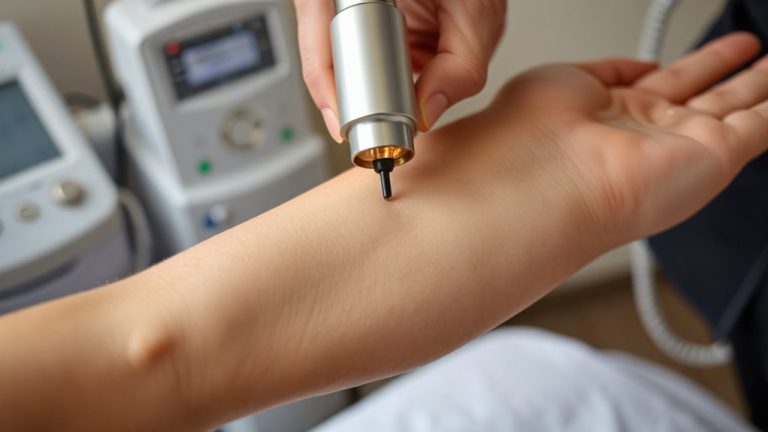
How do you make physical therapy work better when tendinopathy lingers despite consistent effort? You might consider adding acupuncture to your rehab plan. Research shows acupuncture mechanisms-like local microtrauma and increased blood flow-can reduce tendon pain and promote healing. More importantly, it supports neural modulation, helping recalibrate pain signals misfiring in chronic cases. When you pair this with guided physical therapy, you’re not just moving better-you’re retraining your nervous system. Patients often report improved tolerance to exercise and faster functional gains. It’s not a shortcut, but an enhancer, working alongside load management and movement correction. Unlike passive treatments, acupuncture integrates into active rehab, making it a practical addition rather than a replacement. Clinical evidence backs its use, particularly for stubborn tendinopathies in the elbow, shoulder, or Achilles. You’re not abandoning science-you’re expanding your toolkit with a method that complements biopsychosocial rehab models.
Combine Herbs With Meds to Fight Inflammation
What if you could boost your body’s response to inflammation without ditching your prescribed meds? You can-by integrating Traditional Chinese herbs with your current treatment, leveraging herbal synergy to enhance anti-inflammatory effects. Herbs like turmeric and Chinese skullcap work alongside NSAIDs, potentially reducing the dose you need over time. But timing matters: herbal synergy depends on proper medication timing to avoid interactions and maximize efficacy. Taking herbs too close to pharmaceuticals might alter absorption or increase side effects. Ideally, space them by two hours unless your provider advises otherwise. Always consult your doctor before mixing treatments-some combinations can strain the liver or affect blood clotting. When coordinated carefully, this dual approach supports faster recovery with fewer side effects. It’s not about replacing Western medicine but refining it with complementary strategies that target inflammation from multiple angles, giving you a more balanced path to healing.
Use Cupping to Accelerate Rehab Progress
Could something as simple as suction really speed up your recovery from tendinopathy? Cupping techniques might surprise you. By creating negative pressure on the skin, cupping helps stimulate blood flow and encourages myofascial release, easing tension in the connective tissue surrounding your tendons. You’ll often notice immediate relief in tight areas, especially when used alongside conventional rehab exercises. While the marks it leaves can look dramatic, they’re typically painless and fade within days. Dry and wet cupping are the most used methods, with dry cupping being more common in athletic recovery. Research shows mixed but increasingly supportive evidence, particularly for reducing muscle stiffness and improving range of motion. When applied correctly, cupping integrates well into recovery routines, complementing physical therapy. It won’t replace strength training or load management, but it can accelerate progress by creating a more responsive, pliable soft tissue environment during rehab. For those looking to try this at home, high-quality cupping sets are available with various suction controls and materials to suit different needs.
Build Your Integrated Tendinopathy Recovery Plan
You’ve likely found some relief using cupping to loosen tight tissues and improve circulation, but lasting recovery from tendinopathy depends on a more structured approach. Combine TCM principles like acupuncture and herbal therapy with Western rehab protocols-eccentric loading, progressive resistance-for best results. Incorporate diet modification to reduce inflammation; increase omega-3s, antioxidants, and collagen-supporting nutrients. Avoid processed foods that exacerbate systemic inflammation. Stress management is equally critical, since cortisol can delay tissue healing and amplify pain sensitivity-try mindfulness, breathwork, or tai chi. Monitor your symptoms weekly and adjust intensity accordingly. Use supportive fitness gear, like compression wraps or biomechanically sound footwear, to offload stressed tendons during activity. For effective self-administered therapy, consider using a best cupping set that balances suction control and ease of use. Consistency matters more than intensity. This integrated plan isn’t a quick fix, but it’s proven more effective than isolated treatments. Tailor it to your lifestyle, and you’ll build resilience, not just recovery.
On a final note
You’re likely seeing better outcomes by blending traditional Chinese medicine with Western rehab methods. Acupuncture, herbs, and cupping aren’t just add-ons-they’re proven enhancers that reduce inflammation and speed recovery. When combined with physical therapy, these integrative strategies improve circulation and tissue repair. Your recovery plan becomes more dynamic, targeting tendinopathy from multiple angles. It’s not about replacing modern care, but optimizing it with time-tested practices that support long-term tendon health and functional return.