Using Cupping Therapy to Release Fascial Restrictions in Recovering Quadriceps
Your stubborn quad pain likely stems from deep fascial adhesions that resist foam rolling and stretching. Cupping therapy lifts and separates stuck muscle layers, improving glide and circulation in recovering tissue. It targets restrictions that limit mobility and cause chronic tightness. When combined with post-treatment stretching and strength work, results improve markedly. Just be cautious with acute injuries or certain medical conditions. There’s more to optimizing your recovery the right way.
Notable Insights
- Cupping therapy effectively releases fascial restrictions by lifting and separating adhered quadriceps muscle layers.
- Negative pressure from cups improves fascial glide, reducing friction and enhancing muscle mobility.
- Suction increases blood flow and clears metabolic waste, supporting recovery in tight, restricted quads.
- Combining cupping with post-treatment stretching and strength training enhances long-term flexibility and function.
- Avoid cupping over acute injuries, inflammation, open sores, or in individuals on blood thinners.
What’s Causing Your Stubborn Quad Pain?
Why does that tightness in your quads just won’t seem to let up, no matter how much you stretch or rest? You’ve likely developed muscle adhesions-thickened areas where muscle fibers stick together-restricting movement and irritating surrounding tissue. Over time, repetitive strain or injury leads to scar tissue buildup, further limiting flexibility and causing discomfort. Unlike general soreness, these deep-seated restrictions don’t respond well to standard recovery methods like foam rolling or static stretching. They bind layers of muscle and fascia, creating a cycle of stiffness and reduced performance. Fitness recovery tools often miss the root cause because they only address surface tension. Scar tissue resists normal elongation, making your quads feel perpetually tight. This is where targeted intervention becomes essential-not just for relief, but for restoring full function. Identifying these adhesions early improves recovery outcomes and prevents chronic issues down the line. Incorporating a high-quality cupping therapy set can enhance fascial release and promote deeper tissue healing.
How Cupping Loosens Tight Fascia in Quads
While traditional methods often fall short in addressing deep fascial restrictions, cupping therapy applies negative pressure to lift and separate adhered muscle layers, effectively loosening tight fascia in your quads. The tissue suction created by the cups stretches the connective tissue, encouraging trapped fluids to disperse and restoring space between muscle fibers. This process enhances fascial glide, allowing your quadriceps to move more freely with reduced friction. You’ll notice improved flexibility and decreased stiffness as the treatment promotes circulation and metabolic waste removal. Unlike foam rolling, which compresses tissue, cupping pulls layers apart, making it uniquely effective for releasing deep adhesions. High-quality silicone or glass cups offer consistent seal integrity, ensuring reliable performance. When used correctly, cupping doesn’t just relieve symptoms-it addresses the structural cause of quad tightness. Recovery becomes faster, movement more efficient, and your overall rehab more sustainable with regular application. For best results, choose from among the best cupping sets based on material, suction control, and ease of use.
What to Expect in a Cupping Session
If you’re new to cupping for quadriceps recovery, you’ll find the session starts with a brief assessment of your muscle tightness and movement patterns to determine ideal placement and suction level. Your practitioner prioritizes client comfort, adjusting suction intensity to avoid bruising while guaranteeing effective fascial release. A typical session duration ranges from 15 to 20 minutes, focusing solely on the quadriceps and surrounding tissues.
| Phase | Duration (mins) |
|---|---|
| Assessment | 3–5 |
| Cup placement | 10–12 |
| Observation & adjustment | 2–3 |
Cups are usually left in place or glided gently to stimulate myofascial layers. You may feel a deep pulling sensation, but discomfort should remain minimal. High-quality silicone or glass cups provide consistent seal performance and ease of repositioning. This structured approach guarantees targeted therapy without overloading tissues, making cupping a practical addition to recovery routines when properly applied. Choosing the right tool matters, and a well-reviewed cupping set can enhance treatment consistency and safety.
Pair Cupping With Stretching & Strength
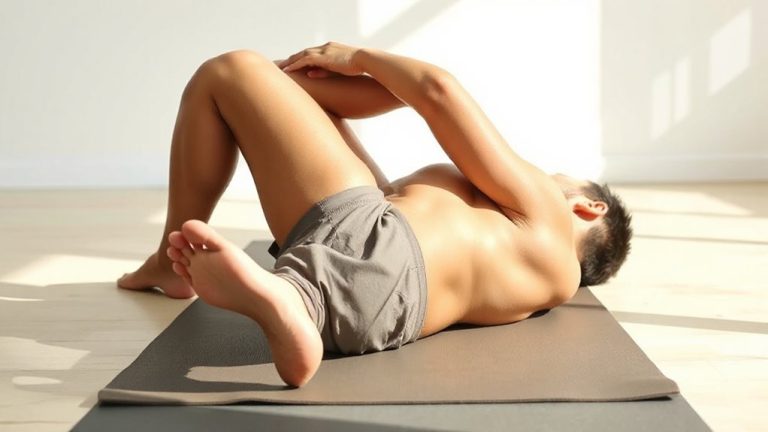
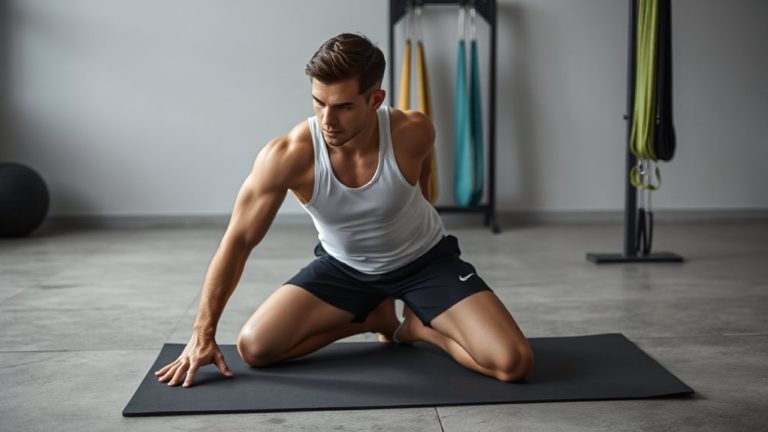
How can you maximize the benefits of cupping for your quadriceps recovery? Pairing cupping with stretching and strength training enhances myofascial release, allowing deeper tissue relaxation and better muscle response. After a session, your quadriceps are more pliable, making it an ideal time to introduce controlled stretches that improve dynamic mobility. This combo not only reduces stiffness but also reprograms movement patterns, supporting functional gains. You’ll notice improved range of motion and reduced resistance during lunges or squats. Using cupping as a primer-followed by resistance exercises-helps rebuild strength with better alignment and less restriction. It’s not just about short-term relief; integrating these methods creates lasting changes in muscle quality and performance. When applied consistently, this approach outperforms isolated treatments, optimizing recovery with minimal equipment. The right balance of cupping, stretching, and strength builds resilience where you need it most.
When Not to Use Cupping for Quad Recovery
Though cupping can greatly aid quad recovery, there are times when skipping it is the smarter move-especially if you’re dealing with acute injury or inflammation. If you have open sores, cuts, or skin infections on your thighs, using cups increases infection risk due to suction and potential skin compromise. You should also avoid cupping if you’re on blood thinners, as the therapy may cause excessive bruising or prolonged bleeding under the skin. Areas with deep vein thrombosis or vascular disease aren’t suitable either, since suction could dislodge clots. While cupping feels therapeutic for many, it’s not universally safe. Post-surgery or recent muscle tears require medical clearance before any such treatment. Always assess your health status and medication use-you wouldn’t use aggressive recovery gear without knowing the risks. When in doubt, consult a healthcare provider to weigh benefits against potential complications.
On a final note
You’re likely to find cupping helpful if tight fascia contributes to your quad discomfort. When used correctly, it boosts circulation and may ease restrictions that stretching alone can’t resolve. Paired with targeted mobility and strength work, cupping can speed recovery. Yet it’s no quick fix-consistent effort and proper technique matter most. Don’t rely solely on gear; combine it with proven methods for best results.