Using Eccentric Trunk Side Bends to Prevent Oblique Strains in Cricket Bowlers
You’re at risk of oblique strains from the extreme trunk rotation in fast bowling, where muscles like your external obliques and quadratus lumborum face repetitive eccentric overload. Eccentric side bends strengthen these muscles during controlled lengthening, improving core stability and symmetry. They’re safer than high-velocity lifts and prevent imbalances that lead to injury. Doing 2–3 sessions weekly with slow, 3–4 second descents builds resilient tissue-consistency matters more than heavy load. Smart integration into your routine delivers real protective gains.
Notable Insights
- Fast bowlers face high oblique strain risk due to repetitive trunk rotation and lateral flexion during delivery.
- Eccentric side bends strengthen obliques and quadratus lumborum by focusing on controlled lengthening under load.
- Proper form includes a 3–4 second descent, neutral spine, and no hip rotation to maximize injury protection.
- Training 2–3 times weekly enhances core resilience without overloading fatigued bowling-specific musculature.
- Integrate eccentric side bends into recovery or cooldown sessions to improve tissue tolerance and prevent re-injury.
Why Bowlers Get Side Strains
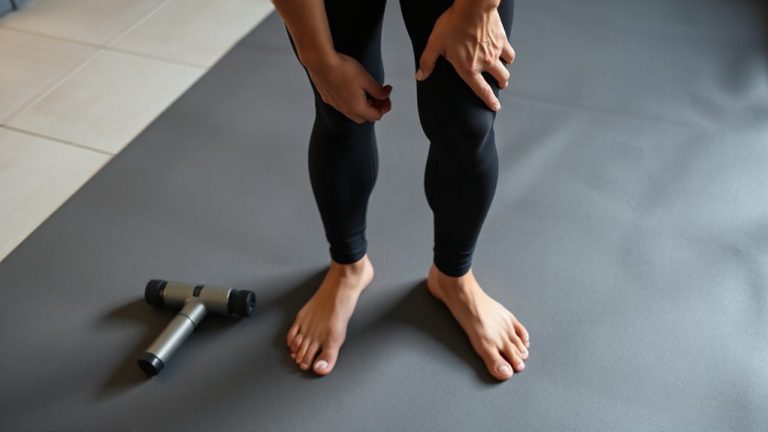
Why do so many fast bowlers end up sidelined with side strains when biomechanical research has shown how predictable these injuries are? You generate extreme trunk rotation and lateral flexion during your delivery, placing immense overuse stress on the external obliques and quadratus lumborum. This repetitive load, compounded by insufficient recovery, breaks down tissue faster than it repairs. Muscle imbalance further worsens the risk-your dominant-side muscles often overpower weaker counterparts, creating uneven force distribution. You might not feel it during training, but match intensity exposes these weaknesses. Current fitness recovery protocols and gear often overlook core-specific fatigue, focusing instead on limbs or general conditioning. Compression wear and foam rollers help with soreness but don’t address the root biomechanical flaws. Without targeted intervention, even elite bowlers remain vulnerable. Prevention isn’t just about rest-it’s about correcting imbalances before they lead to injury. Incorporating top recovery tools can enhance tissue repair and support balanced muscular development.
Do Eccentric Side Bends to Prevent Injuries
How do you strengthen the very muscles that bear the brunt of your bowling action without simply replicating the same harmful movement patterns? Eccentric trunk side bends offer a targeted solution. By focusing on the lengthening phase of the oblique and quadratus lumborum contractions, you build resilience where it’s needed most. This method enhances core stability, training your torso to control force rather than just generate it. Greater muscle symmetry is achieved by working both sides equally, correcting imbalances that often predispose bowlers to side strains. Unlike traditional lifts, this movement avoids high-velocity rotation, reducing re-injury risk. Resistance bands or cable machines provide consistent load, making them ideal for controlled, progressive training. Used consistently, eccentric side bends integrate well into injury-prevention programs. Field reports show bowlers experience fewer lateral trunk issues when this drill is part of their routine. It’s not just conditioning-it’s smarter preparation.
Master the Eccentric Side Bend Form
You’ve already seen how eccentric side bends can protect your trunk from the repetitive stress of fast bowling, but proper execution makes all the difference in turning this exercise into a reliable defense against injury. Stand tall, feet shoulder-width apart, and maintain proper alignment-keep your spine straight, ribs down, and avoid rotating at the hips. As you bend sideways, focus on a controlled tempo, especially during the lowering phase; aim for a three- to four-second descent to maximize eccentric loading. Your non-working hand should guide the movement, not pull. Engage your obliques throughout to stabilize the torso. Using a light dumbbell or medicine ball increases resistance, but only if form stays precise. Rushed reps or poor alignment reduce effectiveness and increase injury risk. This isn’t about how much weight you use-it’s about muscle-time under tension and neuromuscular control. Master the pattern first, then gradually progress. A well-executed eccentric side bend builds resilient, functional core strength tailored to bowling’s demands.
How Often to Train for Protection
Typically, training eccentric trunk side bends two to three times per week offers the ideal balance between neuromuscular adaptation and adequate recovery for fast bowlers. This training frequency allows your lateral core musculature to develop the necessary strength and control without accumulating excessive fatigue. Studies show consistent loading at this rate enhances tissue resilience, making it a cornerstone of effective injury prevention. You’ll need to monitor how your body responds-especially during high-bowling loads-since overreaching can negate the benefits. Pairing this routine with proper recovery, including hydration and sleep, amplifies its protective effect. While fitness gear like resistance bands or specialized pulley machines can improve exercise quality, consistency matters more than equipment. You don’t need high-tech tools; focus instead on controlled movement and progressive overload. Stick with this schedule, and you’ll build durable protection against oblique strains over time.
Fit Side Bends Into Your Bowling Routine
Where does a demanding skill like eccentric trunk side bending fit within the packed schedule of a competitive fast bowler? It slots neatly into your recovery or strength sessions, enhancing core stability without overstressing fatigued muscles. Prioritize quality over quantity-just two sessions weekly maintain effective training frequency. Pair side bends with dynamic warm-ups or post-bowling cooldowns for maximum carryover. Below’s how to time them:
| Day | Integration Point |
|---|---|
| Monday | Post-strength session |
| Wednesday | Pre-practice activation |
| Saturday | Cooldown mobility work |
You’re not just building resilience-you’re retraining movement patterns. Consistent use conditions the obliques to handle rotational load, reducing strain risk. Core stability isn’t passive; it’s earned through deliberate, eccentric control. Use slow lowering phases (3–4 seconds) and avoid momentum. This isn’t accessory work-it’s injury prevention with intent.
On a final note
You’re likely to reduce oblique strain risk by incorporating eccentric trunk side bends into your routine. This exercise specifically targets the eccentric control bowlers need during delivery. When performed correctly and consistently-around 2–3 times weekly-you build resilience in the lateral core musculature. Paired with proper recovery and supportive fitness gear like compression apparel, it enhances muscle repair and alignment. It’s not a magic fix, but integrated smartly, it’s a practical, evidence-backed tool for long-term bowling health.