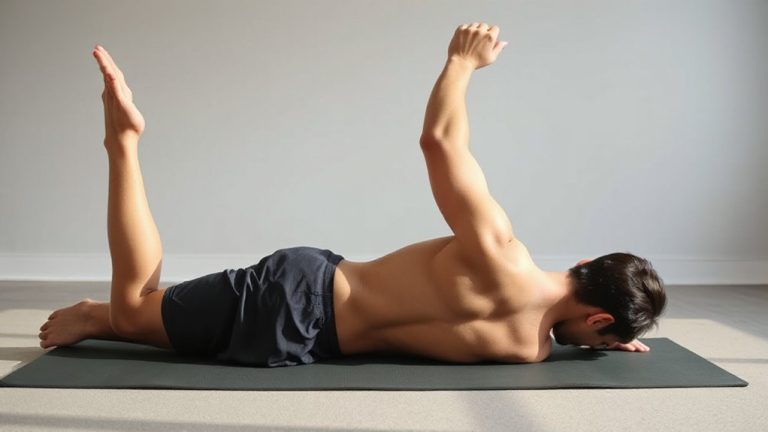
Dynamic Neurobics: Integrating Mindfulness Into Daily Walks for Cognitive-Muscular Healing
You turn ordinary walks into dynamic neurobics sessions by adding mindful awareness to each step, breath, and arm swing. This practice boosts neuroplasticity and motor control while supporting muscular recovery and mental focus. Unlike passive walking, dynamic neurobics engages sensory integration and rhythm to strengthen brain-body connections-no gear needed, just intention. It’s low-impact, adaptable, and scientifically supported for cognitive-muscular healing. There’s more to discover about specific techniques and their effects.
Notable Insights
- Dynamic Neurobics transforms everyday walks into mindful practices that enhance brain-body connection through focused movement and sensory awareness.
- By engaging senses deliberately during walking, neural pathways for coordination and cognitive control are strengthened over time.
- Cross crawl steps and mental imagery boost inter-hemispheric brain communication, improving both motor function and mental clarity.
- Mindful walking stimulates neuroplasticity and increases BDNF, supporting neuronal repair and muscular recovery simultaneously.
- Small, consistent attentional cues-like breath rhythm or footfall focus-turn routine walks into effective cognitive-muscular healing sessions.
What Is Dynamic Neurobics? (And How It Boosts Brain-Body Health)
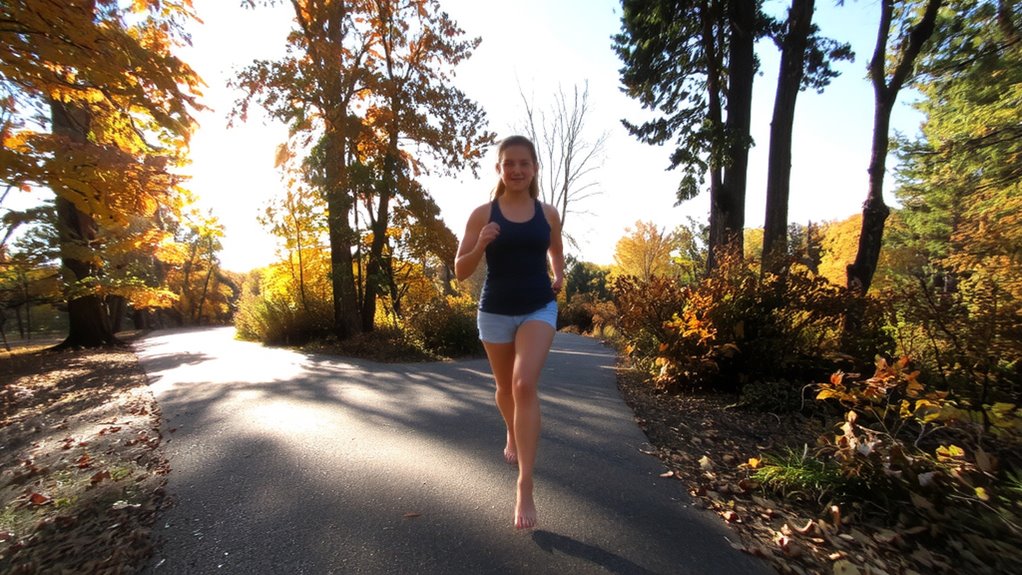
How often do you walk without really *feeling* your movement? Dynamic neurobics changes that by turning ordinary walks into mindful practices that engage your brain and body. You’re not just moving-you’re sharpening sensory integration, tuning into each step, the sway of your arms, the rhythm of your breath. This awareness triggers neuroplasticity enhancement, helping your brain rewire for better motor control and focus. Unlike passive exercise, dynamic neurobics demands attention, forging stronger neural pathways. It’s not about speed or distance, but precision and presence. When you integrate this practice daily, you boost cognitive-muscular coordination in ways standard fitness gear can’t replicate. No special equipment needed-just intention. It’s practical, low-cost, and effective, especially for fitness recovery. Over time, you’ll notice sharper mental clarity and smoother movement patterns, proving that sometimes, the best tool is your own mindful attention.
Why Walking Is the Perfect Trigger for Cognitive-Muscular Healing

Movement is your most accessible medicine. Walking engages both mind and body in a rhythm that promotes neural synchronization and muscular coordination naturally. You don’t need special equipment or training-just your body and intention. Each step sends signals through your nervous system, reinforcing pathways that link cognitive awareness to physical motion. This low-impact activity supports recovery by enhancing blood flow, reducing inflammation, and encouraging brain-derived neurotrophic factor production, which aids neuron repair. Unlike high-intensity workouts, walking minimizes strain while maximizing functional gains. It’s sustainable, adaptable, and easily integrated into daily life. Whether you’re rehabbing an injury or maintaining peak function, walking acts as a foundational trigger for cognitive-muscular healing. Your pace, posture, and awareness turn a simple stroll into a restorative practice-one that aligns mental clarity with physical resilience through consistent, mindful repetition.
Turn Any Walk Into a Mindful Brain-Body Workout

Where do you begin when turning a routine walk into a deliberate brain-body workout? Start by shifting your focus from motion to awareness. You don’t need special fitness gear-just your senses and attention. Engage in sensory stacking: actively notice what you see, hear, feel, and even smell, layering these inputs to deepen cognitive engagement. This isn’t passive strolling; it’s training your brain to stay present. Pair this with neural anchoring-linking specific sensations, like the rhythm of your footfalls, to a calm, focused mental state. Over time, these anchors make mindfulness easier to access, even under stress. Unlike standard recovery walks, this approach enhances neuroplasticity while supporting muscular recovery. It transforms ordinary movement into a dynamic, dual-purpose practice. You’re not just walking; you’re rebuilding mental clarity and physical resilience simultaneously, with no equipment beyond your own awareness.
5 Simple Dynamic Neurobics Moves to Do While Walking
Why not challenge your brain while your legs do the work? Incorporating dynamic neurobics into walks boosts both cognitive and muscular recovery. Try cross crawl steps-raising the right arm with the left leg, then switching sides-as they stimulate communication between brain hemispheres and improve coordination. This movement pattern mirrors natural gait but adds complexity, enhancing neural engagement. Pair it with mental imagery: picture drawing shapes with your feet or traversing a winding forest path. These techniques demand focused attention, turning routine walks into brain-body training. Studies suggest such mindful movement aids neuroplasticity and supports fitness recovery by reducing mental fatigue. Unlike passive walking, these strategies require no gear but deliver measurable cognitive benefits. When done consistently, they’re more effective than standard cardio alone. You’ll find yourself sharper, more balanced, and physically tuned-proof that small neuromuscular challenges yield significant returns.
How Rhythm and Breath Strengthen Neural Connections
You’ve already seen how pairing movement with mental focus sharpens cognition and supports recovery-now consider how syncing breath and rhythm with each step deepens those benefits. When you align your inhales and exhales with a steady walking pace, you initiate respiratory entrainment, a physiological harmony where breathing patterns stabilize and support heart rate variability. This coherence doesn’t just calm your nervous system-it enhances neural synchronization, improving communication across brain regions involved in attention and motor control. Think of it as tuning a network: each breath becomes a metronome, reinforcing timing in neural firing. Over time, this rhythmic discipline strengthens synaptic connections, particularly in the hippocampus and prefrontal cortex. You’re not just walking; you’re training your brain’s timing circuits. Unlike passive recovery methods, dynamic breath-rhythm integration actively rebuilds cognitive-motor pathways. Equipment isn’t needed-just awareness. The result? Sharper mental clarity, smoother movement, and a nervous system better equipped for resilience and repair.
Make Dynamic Neurobics a Daily Habit: Without Extra Time
Though you might assume integrating neurocognitive training into your routine demands extra time or special equipment, it actually fits seamlessly into daily walks you’re already taking. By using habit stacking-pairing dynamic neurobics with existing routines like walking-you activate neural pathways without disrupting your schedule. Simply attach micro intentions to each step: notice your footfall pattern, alternate breathing rhythms, or name objects in your peripheral vision. These subtle shifts demand no new gear or stamina, yet enhance cognitive-muscular coordination over time. Unlike fitness recovery tools requiring investment-foam rollers, compression wear, or apps-this approach uses only awareness. Observational studies suggest such mindful movement improves proprioception and mental clarity comparably to structured drills. The real advantage? It’s sustainable. You’re not adding work; you’re upgrading what you already do. With consistent micro intentions, even short walks become active recovery sessions, optimizing both neurological function and muscular repair-no extra time needed.
On a final note
You now see how dynamic neurobics bridges fitness recovery and mindful movement without demanding extra time. By syncing breath, rhythm, and intentional focus during walks, you enhance neural plasticity and muscular coordination. This approach isn’t flashy, but its consistency delivers measurable gains in balance, concentration, and joint resilience. Quality footwear supports the process, but the real tool is your attention. With minimal gear and full engagement, you turn ordinary steps into a restorative brain-body practice.