Tracking Daily Wellness Questionnaires to Detect Early Signs of Overreaching in Post-Traumatic Shoulder Rehab
You’re tracking daily wellness scores to spot early signs of overreaching in post-traumatic shoulder rehab, not just performance. Mood shifts, poor sleep, or rising fatigue can signal strain before pain flares. Unlike wearables measuring output, this input-focused method helps adjust exercise load, frequency, or range based on readiness. When combined with clinical feedback, it supports smarter recovery-keeping tissues safe, collagen alignment intact, and joint stability on track. Discover how small daily insights lead to more resilient progress.
Notable Insights
- Daily wellness questionnaires track mood, sleep, and perceived exertion to identify early signs of overreaching in shoulder rehab.
- Poor sleep quality and increased fatigue reported in daily logs can precede pain and inflammation in post-traumatic recovery.
- Self-reported data helps differentiate normal adaptation from excessive stress on healing shoulder tissues.
- Tracking pain, range of motion, and joint stability daily enables timely adjustments to rehab intensity.
- Correlating wellness trends with clinical assessments improves recovery precision and prevents setbacks.
Why Daily Wellness Tracking Prevents Shoulder Rehab Setbacks

While it might seem like just another chore on an already long rehab to-do list, tracking your daily wellness actually plays a critical role in keeping your shoulder recovery on track. You’re not just logging data-you’re spotting early red flags. Declines in sleep quality often precede physical setbacks, weakening tissue repair and immune response. Elevated stress levels, meanwhile, amplify muscle tension and slow healing, indirectly straining your injured shoulder. Daily tracking lets you correlate these factors with symptom changes, helping adjust rehab intensity before problems worsen. Think of it as preventive feedback, similar to how fitness gear monitors performance but tailored to recovery. Unlike commercial wearables focused on output, wellness logs assess input-your body’s readiness to handle therapy. Used consistently, they offer a reliable, low-tech complement to clinical guidance, empowering you to fine-tune recovery with precision and avoid avoidable delays.
How Overreaching Derails Shoulder Recovery After Injury
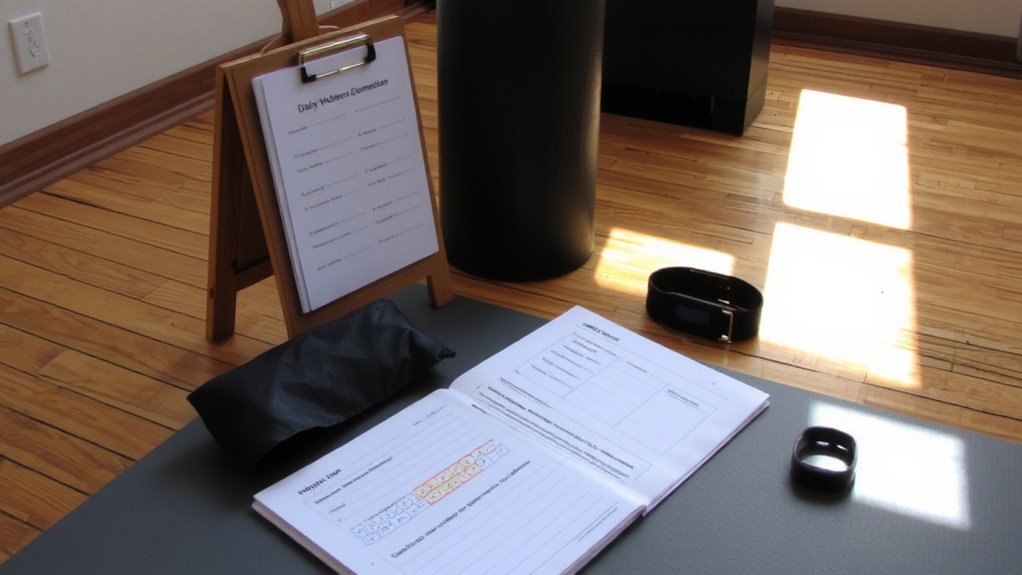
Even if you’re keen to regain strength and mobility, pushing too hard during shoulder rehab can backfire-often without immediate warning. Overreaching strains healing tissues, triggering joint inflammation that slows recovery and increases discomfort. You might not feel it right away, but persistent joint inflammation disrupts collagen alignment, weakening repaired structures. Muscle fatigue, meanwhile, compromises form and control, raising re-injury risk during functional movements. When fatigued muscles can’t stabilize the shoulder properly, surrounding joints and tendons take on excess load. This imbalance undermines rehab progress, turning well-intended effort into counterproductive stress. Recovery isn’t just about exercise-it’s about timing, load management, and listening to subtle bodily cues. Without adjusting intensity based on daily feedback, even the most structured rehab program can stall. Overreaching doesn’t reflect dedication; it reflects poor pacing. Balancing effort with recovery guarantees consistent, sustainable gains.
What Daily Questions Reveal Early Overreaching Signs?

How do you know when you’re crossing the line from productive rehab to overreaching? Simple daily questions can flag early warning signs before setbacks occur. You might notice mood fluctuations-irritability or low motivation-creeping in without clear cause, often tied to accumulated physical stress. Poor sleep quality, like difficulty falling asleep or unrefreshing rest, frequently accompanies these emotional shifts and impairs tissue recovery. Tracking these responses helps differentiate normal fatigue from overreaching. Subjective feedback, such as rate-of-perceived-exertion logs or wellness scales, provides insight no fitness tracker or recovery gear can fully capture. While wearables monitor heart rate variability or sleep stages, they don’t contextualize how shoulder rehab effort impacts overall strain. Relying solely on gadgets risks missing nuanced clues. Your self-reported mood and sleep patterns remain among the most sensitive, low-cost indicators for adjusting rehab intensity on time.
Build a 5-Minute Shoulder Rehab Wellness Check-In
Why wait until pain flares or progress stalls to assess your rehab efforts? A 5-minute daily check-in helps you track shoulder alignment, joint stability, and overall recovery without disrupting your routine. Use this simple self-assessment to catch early signs of overreaching and adjust training intensity.
| Metric | Check-In Prompt | Ideal Response |
|---|---|---|
| Pain Level | Rate discomfort 0–10 | <3 at rest |
| Range of Motion | Can you reach overhead? | Smooth, full motion |
| Shoulder Alignment | Mirror check: Are shoulders level? | Symmetric posture |
| Joint Stability | Any clicking or shifting? | No instability felt |
| Fatigue | Rate muscle fatigue | Minimal, not increasing daily |
Consistent evaluation improves rehab accuracy-this isn’t just monitoring, it’s proactive recovery. Small time investment, high return.
Link Patient Symptoms to Strength and Mobility Gains
You’ve built a habit of checking in daily, spotting red flags before they become setbacks, and now it’s time to connect those observations to measurable progress in strength and mobility. Tracking pain patterns helps you correlate discomfort with specific movements, revealing whether gains in range of motion or muscle output coincide with reduced soreness or irritation. When joint stiffness appears consistently in the morning but fades with activity, it often signals tissue adaptation rather than overuse. You’ll notice that as strength improves-especially in rotator cuff and scapular stabilizers-daily symptoms tend to decline, confirming functional recovery. By aligning your wellness logs with clinical assessments, you create a feedback loop that validates effort and guides motivation. This integration doesn’t just reflect healing-it highlights which exercises drive improvement without exacerbating symptoms, making your rehab both efficient and sustainable over time.
When to Adjust Exercises Based on Wellness Reports
When do you know it’s time to scale back-or push forward-in your rehab routine? Look closely at your daily wellness reports. If you’re reporting higher fatigue, disrupted sleep, or persistent soreness, it’s a sign your body needs slower recovery pacing. Pushing through could stall progress. On the flip side, consistent energy and low discomfort suggest you might be ready for progression. That’s where exercise modification comes in-adjusting load, range, or frequency to match your current capacity. Smart tracking helps you catch the early signs of overreaching before they turn into setbacks. You’re not just reacting; you’re optimizing. Tools like resistance bands with graded tension or monitored feedback devices support precise adjustments. Reliable wellness data lets you tailor rehab with confidence, ensuring gains aren’t lost to poor timing. Listen to the patterns, not just the symptoms.
Keep Patients Consistently Logging Shoulder Symptoms
Sticking with a daily symptom log gives you far more than a record-it becomes a roadmap for smarter shoulder rehab. Logging consistency isn’t just about tracking pain or range of motion; it’s about catching subtle shifts before they become setbacks. When you log symptoms daily, patterns emerge-maybe your shoulder flares up after certain exercises or recovers slower on high-fatigue days. That insight lets your clinician tweak rehab in real time. But let’s be honest: maintaining that routine isn’t easy. Patient motivation often dips when progress feels slow or life gets busy. That’s why integrating simple digital tools or reminder systems helps-short entries, push notifications, and visual feedback loops can boost adherence. Think of it like monitoring your fitness gear: you wouldn’t skip checking your shoes for wear, so why skip logging your body’s signals? Consistent data drives smarter decisions.
On a final note
You’re tracking daily wellness because it works-simple as that. Those few minutes reveal fatigue, mood shifts, and pain trends long before overreaching stalls progress. In post-traumatic shoulder rehab, data beats guesswork. You’ll link symptoms to mobility gains and adjust exercises on time, keeping recovery precise and personalized. This method isn’t flashy, but consistency beats intensity here. The right routine, backed by real-time feedback, prevents setbacks and builds long-term, sustainable strength safely.