Sleep Disorders in Athletes: Recognition, Diagnosis and Management
You’re risking recovery and performance if sleep disorders go unchecked, since even the best training and gear can’t fix poor sleep. Insomnia, apnea, and circadian disruptions are common and impair healing, focus, and strength. Watch for trouble falling asleep, fatigue, or mental fog. See a specialist if problems persist-diagnosis may involve sleep diaries or polysomnography. Treatments like CBT and sleep hygiene work better long-term than meds. Keep a consistent schedule, and limit screen time before bed. Your edge hinges on more than effort-it’s built in sleep; what you do next could redefine your recovery.
Notable Insights
- Athletes commonly experience insomnia, sleep apnea, and circadian rhythm disorders due to stress, physical traits, or travel.
- Persistent difficulty falling asleep, frequent awakenings, and unexplained fatigue are key signs of sleep disorders.
- Sleep disorders impair recovery, reduce performance, and increase injury risk despite optimal training and nutrition.
- Diagnosis involves sleep diaries, actigraphy, and polysomnography, especially for apnea or parasomnias.
- Management prioritizes cognitive behavioral therapy, sleep hygiene, and non-pharmacological strategies to support long-term recovery.
How Poor Sleep Hurts Athletic Performance
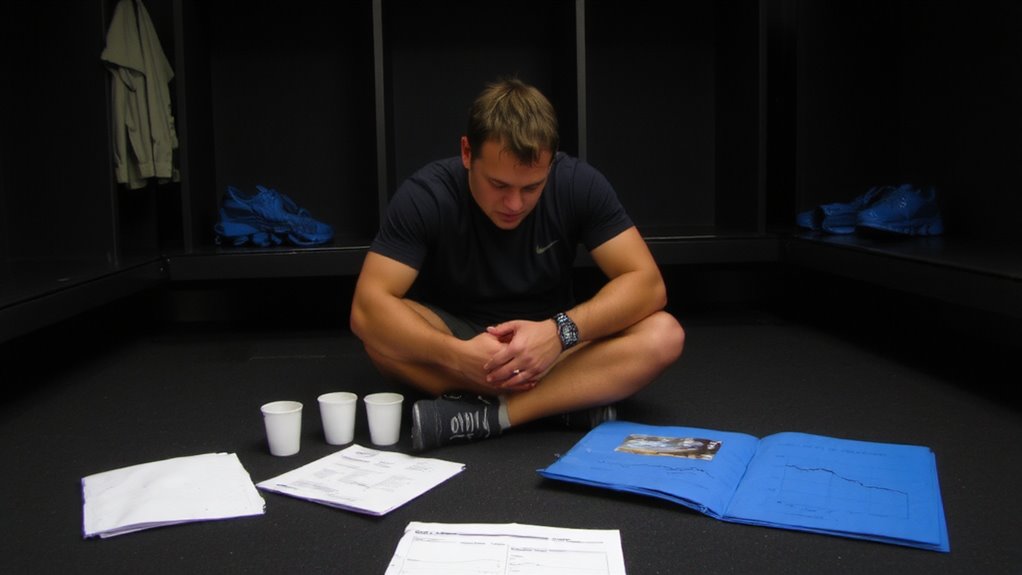
While you might prioritize training and nutrition, skimping on sleep can quietly undermine your athletic performance in ways that fitness gear and recovery tools alone can’t fix. Poor sleep reduces recovery impact by limiting muscle repair and growth, even when protein intake and training regimens are ideal. Without sufficient rest, your body struggles to restore energy stores and balance hormones critical for adaptation. You also face cognitive decline-slower reaction times, reduced focus, and impaired decision-making-diminishing performance in both practice and competition. Equipment like compression devices or advanced footwear may support recovery, but they can’t compensate for the neural and physiological deficits caused by sleep loss. Consistent, quality sleep isn’t just complementary to training; it’s foundational. Ignoring it weakens every recovery strategy and heightens injury risk, making sleep an irreplaceable component of athletic success.
Common Sleep Disorders in Athletes
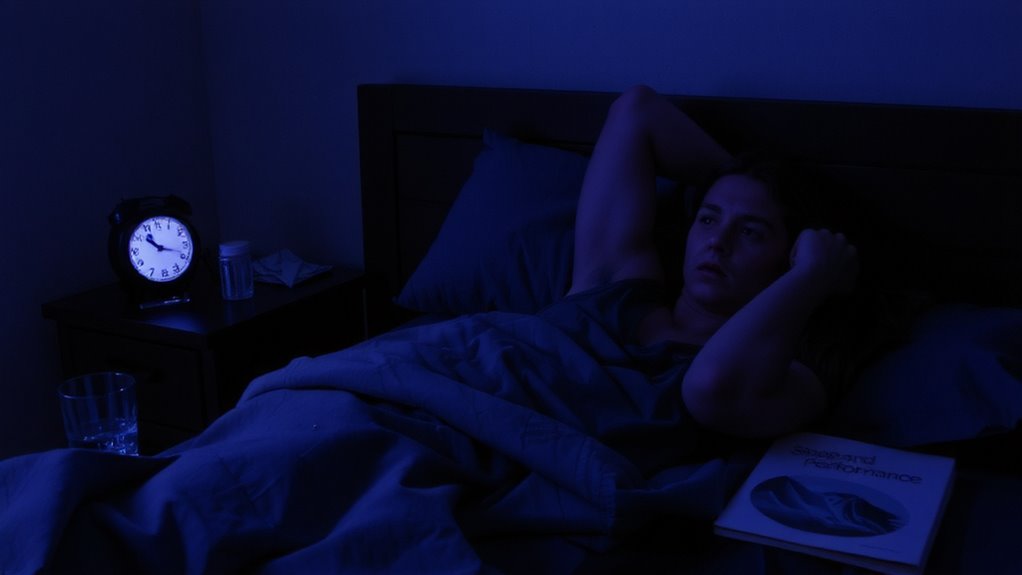
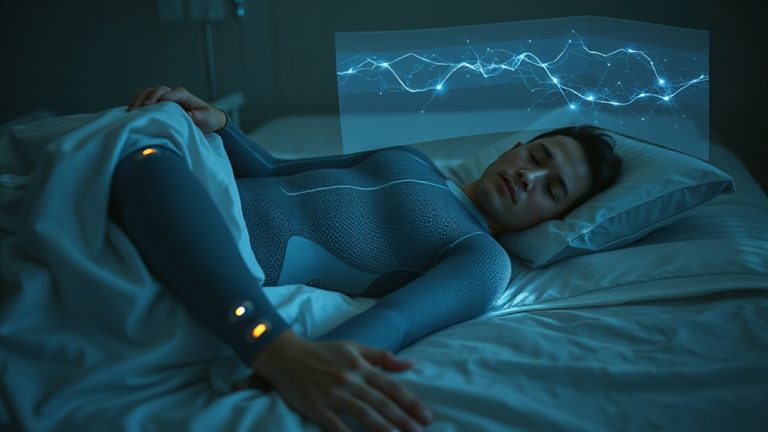
You’re already aware that poor sleep hampers recovery, dulls cognition, and limits performance-even when you’re nailing your training and nutrition. Common sleep disorders like insomnia, sleep apnea, and circadian rhythm disruptions directly undermine sleep quality and extend recovery time. Insomnia, often tied to stress or overtraining, makes falling or staying asleep a struggle. Sleep apnea, more common in strength athletes, interrupts breathing and reduces oxygen flow, degrading restorative sleep. Circadian misalignment-frequent in athletes with erratic schedules or travel-throws off internal clocks, weakening sleep consistency. These conditions don’t just leave you groggy; they impair tissue repair, hormone regulation, and mental sharpness. Left unaddressed, they compromise adaptation and increase injury risk. Recognizing their prevalence is key, because even elite recovery gear or optimized protocols can’t fully offset the damage of chronically disrupted sleep. You need accurate diagnosis and targeted management to restore both sleep quality and recovery time.
Signs You Might Have a Sleep Disorder
How do you know when poor sleep crosses the line from temporary fatigue to something more serious? If you regularly struggle to fall or stay asleep despite adequate rest time, you might be dealing with insomnia symptoms-likehandhandhandhandhandhandhandhandhandhandhandhandhandhandhandhandhandhandhandhandhandhandhandhandhandhandhandhandhandhandhandhandhandhandhandhandhandhandhandhandhandhandhandhandhandhandhandhandhandhandhandhandhandhandhandhandhandhandhandhandhandhandhandhandhandhandhandhandhandhandhandhandhandhandhandhandhandhandhandhandhandhandhandhandhandhandhandhandhandhandhandhandhandhandhandhandhandhandhandhandhandhandhandhandhandhandhandhandhandhandhandhandhandhandhandhandhandhandhandhandhandhandhandhandhandhandhandhandhandhandhandhandhandhandhandhandhandhandhandhandhandhandhandhandhandhandhandhandhandhandhandhandhandhandhandhandhandhandhandhandhandhandhandhandhandhandhandhandhandhandhandhandhandhandhandhandhandhandhandhandhandhandhandhandhandhandhandhandhandhandhandhandhandhandhandhandhandhandhandhandhandhandhandhandhandhandhandhandhandhandhandhandhandhandhandhandhandhandhandhandhandhandhandhandhandhandhandhandhandhandhandhandhandhandhandhandhandhandhandhandhandhandhandhandhandhandhandhandhandhandhandhandhandhandhandhandhandhandhandhandhandhandhandhandhandhandhandhandhandhandhandhandhandhandhandhandhandhandhandhandhandhandhandhandhandhandhandhandhandhandhandhandhandhandhandhandhandhandhandhandhandhandhandhandhandmindhandhandhandhandrightmindmindmindmindmindmindmindmindmindmindmindmindmindmindmindmindmindmindmindmindmindmindmindmindmindmindmindmindmindmindmindmindmindmindmindmindmindmindmindmindmindmindmindmindmindmindmindmindmindmindmindmindmindmindmindmindmindmindmindmindmindmindmindmindmindmindmindmindmindmindmindmindmindmindmindmindmindmindmindmindmindmindmindmindmindmindmindmindmindmindmindmindmindmindmindmindmindmindmindmindmindmindmindmindmindmindmindmindmindmindmindmindmindmindmindmindmindmindmindmindmindmindmindmind마마마마마마마마마마마마마머머머무무비무피피피피피피피피피피피피피피피피피파피피피피피피피피피피피핑핑핑피피피피피피피피피피피피피피피피피피피피피피피피피피피피피피피피피피피피피피피피피피피피피피피피피피피피피피피피피피피피피피피피피피피피피피피피피피피피피피피피피피피피피피피피피피피피피피피피피피피피피피피피피피피피피피피피피피피피피피피피피피피피피피피피피피피피피피피피피피피피피피피피피피피피피피피피피피피피피피피피피피피피피피피비피피피피피피피피피피피피피피피피피피피피피피피피피피피피피피피피피피피피피피피피피파피피피피피피피피피피피피피피비피피피피피피피피피피피피피피피피피피피피피피피비피피피피피피피피피피피피피피피피피피피피피피피피피피피피피피피피피피피피피피피피피피피피피피피피피피비피피피피피피피피피피피피피피피피피피피피피피피파피피피피피피피피피피피피피피피피피피포피피피피피피피피피피피피피피피피피피피피피피비마피피피피피피피피피피피피피피피피피피피피피피피피피피피피피피피피피피피피피피피피피피피피피프피피파피피피피피피피피피피피피피피피피피피피피피피피피피피피피피피피피필피피프피피피파피피피나피피피피피피피피피피피피피피피피피파피피파피피피피피피피피피피피피피피피나피파피피파피피피피페피피파피피피피피피피피피피피피피피피피퍼피피피피피피피피피피퍼피피피피피피프피피피피피피피피피피피피피피피피피피피피피피피피피피피피피피피피피피피피피피피피피피피피피피피피피피피피피피피피피피피피피피피피피피피피피피피피피피피피피피피피피피피피피피피피피피피피피피피피피피피피피프피피피피피피피피피피비피피피피피피피피피피피피피피피피피피피피피피피피피피피피피피피피피피피피피피피피피피피피피파피피피피피피피피피피피피피피피피피피피피피피피피포피피피피피피피피피피피피피피피피피피피피피피피피피피피피피피피피피피피프피피피피파피피피피피피피피피피피피피피피피피피피피피피피피피피피케피피피피피피피피피피피피피피피피피피피피피피피피피피피피피피피피피피피피피피피피피피피피피피피피피피피피피피피피파피피피피피피피피피피피피피포피피피피피피피피피피피피피피피피피피피피피피피피피피피피피피피피피피피피피피피피포피피피피피피피피피피피피피피피피피피피피피피피피피피피피피피피피피피피피피피피피피피피피피피피피피피피피피피피피피피피피피피피피피피피피피피피피피피피피피포피피피피피피피피피피피피피피피피피피피피피피피피피피피피피피피피피피피피피피피피피포피피피피피피피피피피피피피피피피피프피피피피피피피피피피피피피피피피피피피피피피피피피피피피피피피피피피피피피피피피피피피피피피피피피피피피피피피피피피포피피피피피피피피피피피피피피피피피피피피피피피피피피피피피피피피피피피피피피피피피피피피피피피피피피피피피피피피피피피프피피피피피피피피피피피피피피피피파피피피피피피피피피피피피피피피피피피피피피피피피피피피피피피피피피피피피피피피피피피피피피피피피피피피피피피피피피피피피피피피피피피피피피피피피파피피피피피피피피피피피피피피피피피피피피피피피피피피피피피피피피피피피피피피피피피피피피피피피피피피피피피피피피피피피피피피피피피피피피피퍼피피피피피피피피피피피피피피피피피피피피피피피피피피피피피피피피피피피피피피피피피피피! دار.바.바.아.아.아.아.아.아.아.아.아.아.아.마.마.마.마.마.마.마.마.마.마마마마마마.ما.می.م.م.م.م.마.م. بال. بدم. 더. 더. 더. 더. 더. 더. 더. 더. 더. 더. 더. 더. 더. 더. 더. 더. 더. 더. 더. 더. 더. 더 밬스버비비비비비비피피피피피피피피피피피피피피피피피피피피피피피피피피피피피피피피피피피피피피피피피피피피피피피피피피피피피피피سه؟
When to See a Doctor and What Diagnoses Involve
When should you stop brushing off sleep troubles as just part of intense training? If poor sleep lasts more than a few weeks, worsens despite adjustments, or affects performance and recovery, it’s time to see a doctor. A professional will assess your sleep environment-things like light, noise, and bed quality-since even small disruptions can impair rest. They’ll also review medication side effects; common sports-related drugs, like stimulants or corticosteroids, can interfere with sleep onset or architecture. Diagnosis may involve sleep diaries, actigraphy, or even polysomnography to identify disorders like insomnia, sleep apnea, or circadian rhythm disruptions. Don’t assume fatigue is just from training-persistent issues often have treatable causes. A thorough evaluation helps distinguish normal recovery demands from clinical sleep disorders. Addressing underlying factors early supports long-term athletic performance and overall health.
Effective Treatments for Athlete Sleep Issues
Though sleep challenges are common among athletes, effective treatments often combine behavioral strategies with targeted interventions to restore restorative rest. You’ll benefit most when Cognitive behavioral therapy (CBT) is used to address underlying thought patterns that disrupt sleep, especially under performance pressure. CBT helps reframe anxiety around competition and recovery, leading to measurable improvements in sleep onset and quality. Pairing it with consistent sleep hygiene practices-like maintaining a regular sleep schedule, reducing screen time before bed, and optimizing your sleep environment-enhances results. These non-pharmacological approaches are preferred because they avoid dependency and support long-term recovery. While fitness recovery tools like compression gear or foam rollers may aid physical restoration, they don’t replace proper sleep. Ultimately, integrating psychological and behavioral methods offers the most sustainable path to better rest and peak athletic performance.
On a final note
You need quality sleep to recover, and without it, your performance dips-simple as that. Sleep disorders like insomnia or sleep apnea undermine fitness recovery, weakening focus, endurance, and repair. Recognizing symptoms early and seeking diagnosis can make a real difference. Treatments, from CPAP therapy to cognitive behavioral strategies, work when tailored to you. Investing in recovery isn’t soft-it’s smart. Sleep is a performance tool, just like your gear.