Daily Dynamic Stretching Routine for Older Adults to Maintain Mobility
You’re never too old to boost mobility with dynamic stretching. Start with a 5–10 minute warm-up to increase blood flow and prep joints. Then try arm circles, leg swings, and seated torso twists to enhance shoulder, hip, and spinal movement. Focus on smooth motions, proper alignment, and steady breathing. These controlled moves improve coordination and reduce strain risk. Do them daily for better function-discover how simple tweaks can further increase your long-term freedom of movement.
Notable Insights
- Warm up with 5–10 minutes of light aerobic activity to boost blood flow and joint lubrication before stretching.
- Perform controlled leg swings to safely improve hip flexibility and support functional movement patterns.
- Use arm circles to enhance shoulder mobility and prepare upper body joints for daily activities.
- Incorporate seated torso twists to maintain spinal rotation and improve neuromuscular coordination.
- Include heel-to-toe weight shifts to promote balance, gait efficiency, and lower body stability.
Why Dynamic Stretching Helps Aging Bodies
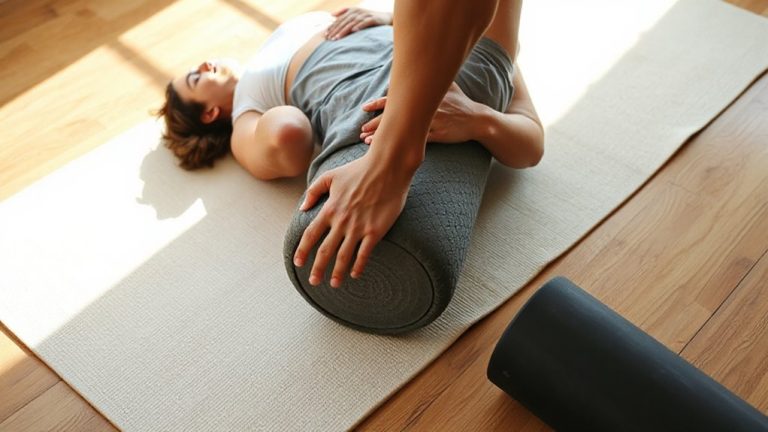
While aging naturally leads to reduced mobility and muscle stiffness, dynamic stretching can help you maintain functional movement and joint health. You’re not just warming up-you’re promoting joint lubrication, which keeps cartilage nourished and reduces friction during motion. This type of stretching also triggers muscle activation, preparing key muscle groups for controlled, coordinated movement. Unlike static holds, dynamic stretches mimic everyday actions, enhancing neuromuscular coordination and balance. As connective tissues lose elasticity over time, these movements help preserve range of motion, supporting independence. Evidence shows consistent dynamic routines improve gait efficiency and reduce strain risks. When paired with proper recovery tools-like foam rollers or compression gear-these stretches amplify benefits by maintaining muscle elasticity and circulation. Though fitness gear supports longevity, the real foundation lies in movement quality. Your daily practice isn’t just physical maintenance-it’s an investment in mobility, safety, and long-term autonomy.
Stay Safe: Warm Up Right First
You’ve already seen how dynamic stretching supports joint health and keeps your body moving with greater ease as you age, but before you start any routine, it’s smart to prepare your system properly. A proper warm-up boosts joint lubrication, reducing friction and enhancing movement efficiency. It also kickstarts muscle activation, waking up key muscle groups so they respond better during stretching. Think of it as priming a pump-without it, you’re moving stiffly and risking strain. Five to ten minutes of light aerobic activity, like marching in place or arm circles, gradually raises your core temperature and increases blood flow. This isn’t just about comfort; it’s about functional readiness. Skipping this step forces your body to compensate, which may lead to imbalances or injury over time. Warming up correctly enhances performance and supports long-term joint and muscle health, making it non-negotiable for safe, effective mobility work.
5 Safe Dynamic Stretches for Older Adults
Since flexibility and mobility naturally decline with age, selecting dynamic stretches that promote joint range of motion without compromising stability becomes essential. You can enhance joint mobility and muscle activation with controlled leg swings, arm circles, and seated torso twists-moves that gently prepare your body for daily activity. These stretches engage multiple muscle groups while supporting coordination and balance, which are vital as you age. Avoid high-impact or fast jerking motions; instead, focus on smooth, progressive movements that align with your body’s natural mechanics. Resistance bands can aid in guiding motion and improving muscle activation, but choose ones with moderate tension to avoid strain. Stability is key-perform stretches near a wall or chair if needed. Done consistently, these safe dynamic stretches build functional mobility without overloading aging joints.
Do These Stretches Right: Form Tips
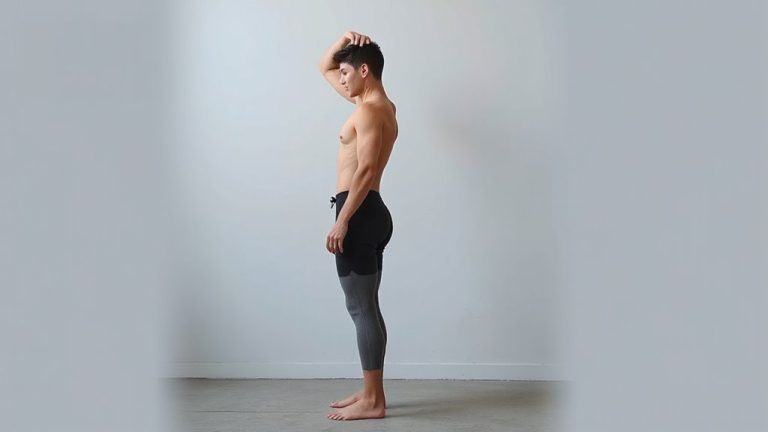
Starting from where you left off with those safe dynamic stretches, it’s time to refine how you perform them because proper form makes all the difference in effectiveness and joint protection. Focus on proper alignment-keep your spine neutral, shoulders relaxed, and joints stacked to avoid strain. Your movements should be smooth and deliberate, never rushed; controlled movement guarantees muscles engage fully and joints glide safely through their range. Don’t bounce or force a stretch-this isn’t about intensity, it’s about quality. Engage your core lightly to stabilize your body, especially during standing exercises. Keep your breathing steady; inhale to prepare, exhale through the motion. Positioning matters: feet shoulder-width apart unless specified, knees slightly bent. Small adjustments make big gains in safety and results. Practice mindful repetition, and you’ll build sustainable mobility with confidence. Incorporating tools like a stretching strap can enhance precision and support in achieving proper form.
Build Your 10-Minute Daily Mobility Routine
While consistency matters most, the structure of your daily mobility routine shapes how well it supports long-term joint health and functional movement. A well-designed 10-minute sequence boosts joint mobility and aids balance enhancement by targeting major movement patterns. Perform each exercise with control, prioritizing smooth shifts over speed.
| Movement | Duration | Focus Area |
|---|---|---|
| Arm Circles | 1 min | Shoulder mobility |
| Leg Swings (forward/side) | 2 min | Hip flexibility |
| Torso Twists | 1 min | Spinal rotation |
| Weight Shifts to Heel-to-Toe | 2 min | Balance enhancement |
Include brief rest intervals as needed. This compact routine integrates dynamic motions that prime neuromuscular pathways, improving coordination and reducing stiffness. You don’t need fitness gear-just body weight and stable footing. Done daily, it sustains functional range of motion and supports safer, more confident movement in everyday activities, especially as you age.
Skip These 5 Dynamic Stretching Mistakes
A shaky start to your dynamic stretching routine can undo its benefits before they begin. You might be unknowingly making mistakes that compromise results. First, avoid overstretching risks-forcing a movement can strain tendons or pull muscles, especially with reduced elasticity in older joints. Your range should feel challenging but never painful. Second, watch for improper timing; dynamic stretches belong before activity, not after. Doing them post-exercise blunts their purpose, which is to prime neuromuscular pathways. Skipping warm-ups, rushing reps, or using poor form reduces effectiveness just as much. Controlled movement patterns matter more than speed. Focus on smooth shifts and joint alignment. Using simple fitness gear like resistance bands? Guarantee proper tension to support, not restrict, motion. Consistency with correct technique transforms mobility outcomes. Avoid these missteps, and you’ll build safer, more functional movement day after day.
On a final note
You’ve seen how a daily dynamic stretching routine supports mobility and joint health as you age. These movements boost circulation, enhance muscle control, and reduce stiffness-all critical for long-term independence. When paired with supportive fitness gear like stable footwear and non-slip mats, your routine becomes safer and more effective. Consistency matters more than intensity, so prioritize proper form and gradual progression to get lasting benefits from your efforts.