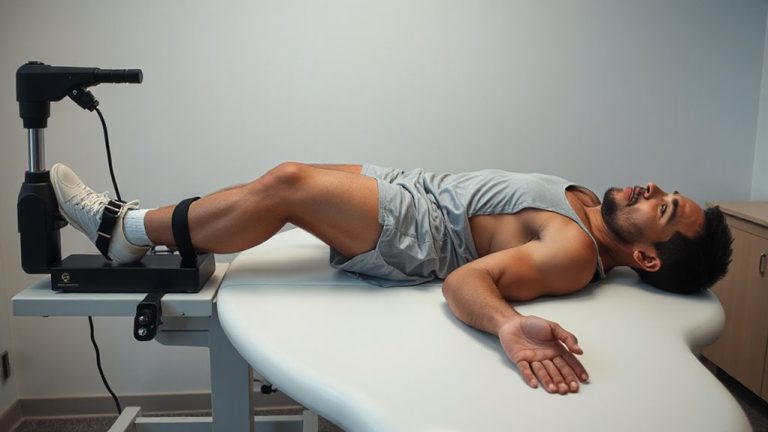
The Science Behind Wearable Vagus Nerve Stimulators for Enhancing Rest and Digest States
Your vagus nerve helps switch your body into rest and digest mode, slowing your heart and calming stress. Wearable VNS devices use gentle electrical pulses-typically at 20–30 Hz-to activate this nerve, boosting parasympathetic activity. They’re non-invasive, targeting the neck or ear to improve heart rate variability and support recovery. Studies show modest gains in sleep quality and reduced inflammation, especially with consistent use alongside breathwork and hydration. High-quality models offer reliable results, while cheaper versions may lack proof; you’ll find deeper insights ahead.
Notable Insights
- Wearable VNS devices deliver mild electrical pulses to the vagus nerve, enhancing parasympathetic activity linked to rest and digestion.
- Stimulation at 20–30 Hz increases heart rate variability, a marker of autonomic balance and resilience to stress.
- VNS supports slower heart rate and improved breath control, facilitating a physiological shift from stress to calm.
- Clinical studies show wearable VNS can reduce cortisol and inflammation, promoting recovery and relaxation.
- Optimal benefits occur when VNS use is paired with breathwork, hydration, and sleep hygiene for sustained vagal tone.
What Is the Vagus Nerve: and Why Does It Calm Your Body?
Why do you feel calmer after a deep breath or a long exhale? That’s your vagus nerve at work. This major pathway, part of your nerve anatomy, runs from brainstem to abdomen, shuttling signals that regulate heart rate, digestion, and stress. When activated, it triggers your body’s “rest and digest” mode by slowing your heart and reducing inflammation. It also enhances brain function by improving communication between your gut and nervous system. You’ve likely used breathwork or cold exposure to tap into this-natural ways to stimulate vagal tone. Understanding nerve anatomy explains why such low-tech methods work. Wearable VNS gear aims to amplify this reflex with targeted stimulation, though effectiveness varies. These devices promise fitness recovery benefits, but solid habits-like breathing and sleep-still underpin peak performance. Relying solely on gadgets without foundational wellness is shortsighted.
How Wearable VNS Devices Activate Your Relaxation Response
While you’re focused on recovery, wearable VNS devices deliver low-level electrical pulses to the vagus nerve-typically through the skin of your neck or ear-to prompt your body’s relaxation response. These signals stimulate parasympathetic activity, helping slow your heart rate and steady your breathing rhythm. By directly influencing the nerve that connects brain to essential organs, the devices encourage a shift from stress to calm. You’ll notice smoother shifts into relaxed states, especially after intense workouts or prolonged mental strain. Most models use precise frequency settings-usually between 20–30 Hz-shown in studies to optimize autonomic balance. While results vary, consistent use often leads to improved physiological markers of relaxation. The tech isn’t flashy, but it’s grounded in solid neurophysiology. With minimal setup and non-invasive design, wearable VNS fits easily into daily routines, making it a practical tool for enhancing recovery through targeted neuromodulation.
Can Vagus Nerve Stimulation Improve Sleep and Recovery?
Could better sleep be more than just a matter of habit-and instead, a function of targeted neuromodulation? You’re likely already tracking your brain waves and cortisol levels, but wearable VNS might actively shift them. By stimulating your vagus nerve, these devices support parasympathetic activation, helping you wind down faster. Lower cortisol levels post-stimulation suggest reduced physiological stress, making it easier to move into deep sleep. You may notice more stable brain waves during nighttime, particularly increased delta activity linked to restorative phases. While not a magic fix, consistent use could enhance recovery, especially when paired with good sleep hygiene. It’s not just about resting-it’s about improving the quality of that rest. For active individuals, faster recovery means better performance. The tech isn’t perfect, but its potential to influence key biomarkers makes wearable VNS a credible tool in your recovery toolkit.
What Clinical Studies Say About Wearable VNS Effectiveness?
You’ve likely seen how wearable vagus nerve stimulators claim to sharpen recovery by tapping into your body’s parasympathetic system, but real-world performance hinges on more than promises-it demands evidence. Clinical studies show mixed yet promising results. Several trials report modest improvements in heart rate variability, suggesting better autonomic balance after regular use. You may experience a calmer physiological state, with some research linking stimulation to reduced inflammation levels-important for recovery and long-term wellness. However, effect sizes vary, and not all devices perform equally. While high-quality models demonstrate statistically significant outcomes, cheaper alternatives often lack rigorous validation. Most studies remain small or short-term, so long-term benefits aren’t yet confirmed. Still, the physiological signals-like lowered heart rate and dampened inflammatory markers-support plausible mechanisms. For fitness recovery, wearable VNS isn’t a magic fix, but it’s emerging as a credible tool when backed by science.
How to Use a Wearable VNS Device for Daily Wellness
If you’re looking to integrate a wearable vagus nerve stimulator into your daily routine, getting the most out of it starts with proper use. Position the device according to the manufacturer’s guidelines, usually on the neck or ear, to guarantee consistent nerve activation. For best results, pair each session with slow, deep breathing techniques-inhaling for four counts, holding for four, and exhaling for six-to amplify parasympathetic response. You’ll likely notice improved calm and focus, especially when used during shifts like post-workout recovery or before bedtime. Consistency matters, so aim for daily use. Hydration habits also play a role; staying well-hydrated supports peak nerve conductivity and overall device performance. Most users report subtle but cumulative benefits, such as better sleep quality and reduced stress reactivity, after several weeks. While not a quick fix, regular use alongside mindful practices enhances your body’s rest and digest capacity effectively.
Which Wearable VNS Device Fits Your Lifestyle?
How do you find the right wearable vagus nerve stimulator when so many promise results but differ in form and function? Start by evaluating your daily routine and recovery needs. If you’re active all day, battery life becomes essential-look for devices that last 24 hours or more on a single charge. A sleek, discreet design style helps if you plan to wear it at work or in social settings. Some models clip onto your clothing, while others resemble earbuds or neckbands, offering varying levels of comfort and portability. Evaluate how easy it is to integrate into your wellness habits. Devices with intuitive controls and seamless connectivity via apps tend to support consistency. While performance matters, long-term use depends on comfort and practicality. Ultimately, the best fit balances reliable battery life and a design style that aligns with your lifestyle, ensuring you’ll actually use it when you need it most.
On a final note
You’re using wearable VNS devices to tap into your body’s natural rest-and-digest system, and science backs their role in lowering stress and boosting recovery. These gadgets deliver mild stimulation to the vagus nerve, helping shift your nervous system toward calm. While results vary, consistent use shows improved sleep and reduced anxiety for many. They’re not magic, but paired with healthy habits, they’re a smart addition to recovery-focused fitness routines.