Scheduling Post-Injury Rehab Exercises in Mid-Afternoon to Avoid Evening Pain Flares
You’ll recover better when you schedule post-injury rehab between 2 and 4 p.m., as your core temperature and neuromuscular function peak then, boosting joint lubrication and muscle efficiency. This timing aligns with natural circadian rhythms, enhancing tissue repair and reducing evening pain flares. Shorter recovery cycles and improved form lower soreness risks. If afternoon sessions don’t work, strategic alternatives can maintain progress-there’s more to optimizing your routine than just timing alone.
Notable Insights
- Scheduling rehab between 2–4 p.m. aligns with peak core temperature and neuromuscular efficiency for safer, more effective sessions.
- Mid-afternoon exercise supports optimal joint lubrication and flexibility, reducing strain and minimizing evening pain flares.
- Circadian-driven peaks in protein synthesis and growth hormone enhance tissue repair when rehab is timed in early afternoon.
- Performing rehab in the mid-afternoon promotes smoother recovery cycles, decreasing nocturnal discomfort and soreness.
- Avoid high-intensity or fatiguing routines late in the day; moderate afternoon sessions reduce nighttime inflammation and pain.
Why Afternoon Rehab Reduces Evening Pain
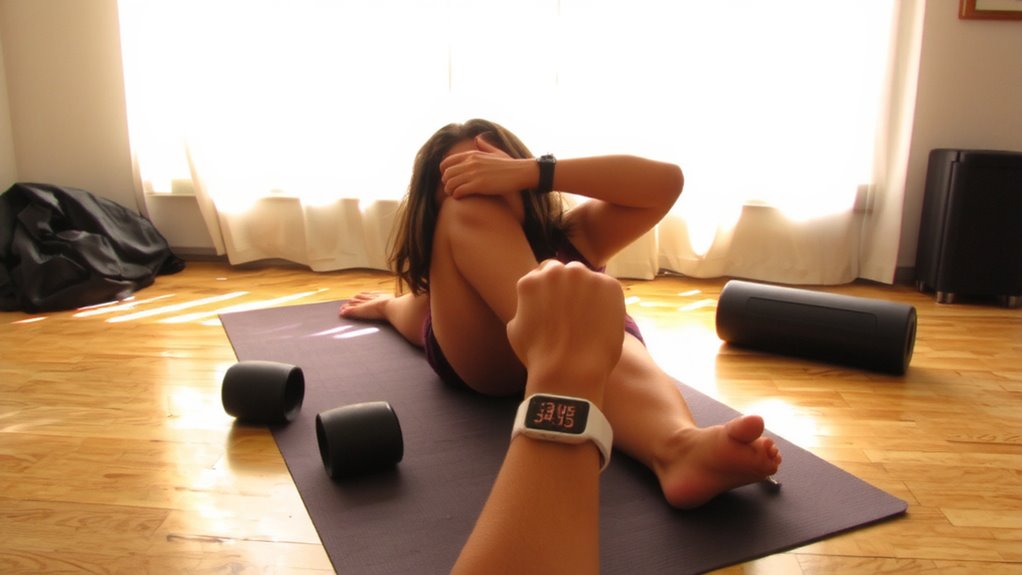
While timing your rehab sessions might seem like a minor detail, scheduling them in the afternoon could make a real difference in how you feel by evening. You’re likely to notice reduced evening pain flares when exercising mid-afternoon, as core body temperature and joint lubrication naturally peak during this window. This supports better muscle adaptation, allowing tissues to respond more efficiently to therapeutic loads. Proper pain timing means aligning sessions when your body is physiologically primed, reducing strain and microtrauma. Studies suggest afternoon rehab lessens nocturnal discomfort by promoting smoother recovery cycles. Fitness recovery isn’t just about the exercises-it’s when you do them. Using supportive fitness gear like compression sleeves during these sessions further stabilizes movement, enhancing adaptation. Combined, strategic scheduling and equipment use improve functional outcomes. You’re not just rehabbing; you’re syncing with your body’s readiness, making each session more effective and less painful over time.
How Circadian Rhythms Enhance Recovery
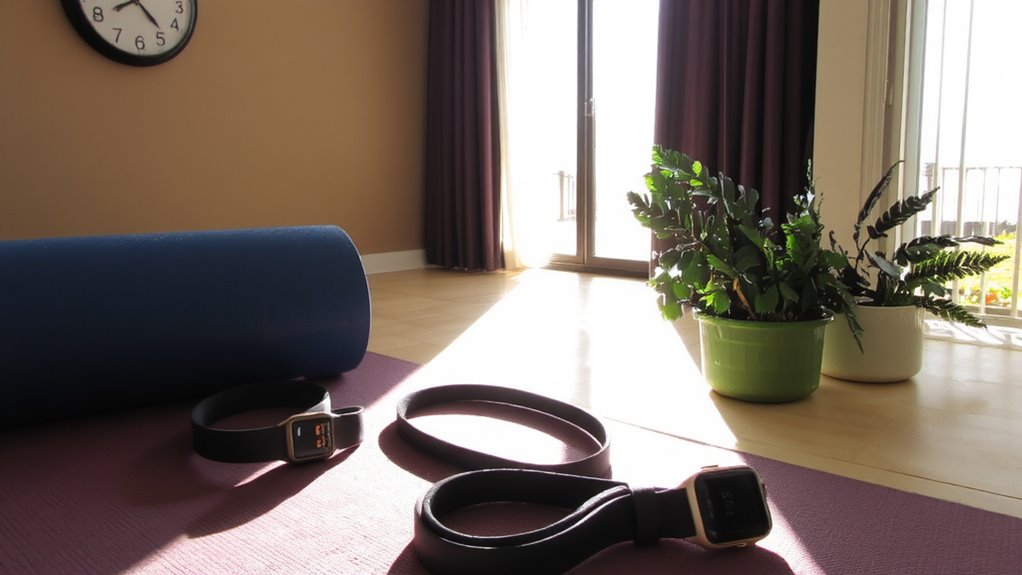
Why does your body seem to heal better when you train in sync with your natural rhythms? Because circadian rhythms directly influence key recovery processes like cellular regeneration and hormone optimization. Your body isn’t just passively healing-it’s actively timing repair mechanisms to align with daily biological cycles. During certain phases, protein synthesis peaks, inflammation is better regulated, and growth hormone release supports tissue repair. This internal timing means your rehab efforts become more effective when matched to these rhythms. You’re not just exercising; you’re leveraging biology to maximize healing efficiency. Hormone optimization guarantees cortisol and melatonin levels support recovery, while cellular regeneration accelerates when metabolic activity is at its peak. Ignoring this clock can slow progress, even with perfect fitness gear. Aligning rehab with your circadian biology isn’t just smart-it’s scientifically sound recovery strategy that enhances performance, reduces setbacks, and optimizes healing.
Why 2–4 P.M. Is Ideal for Rehab
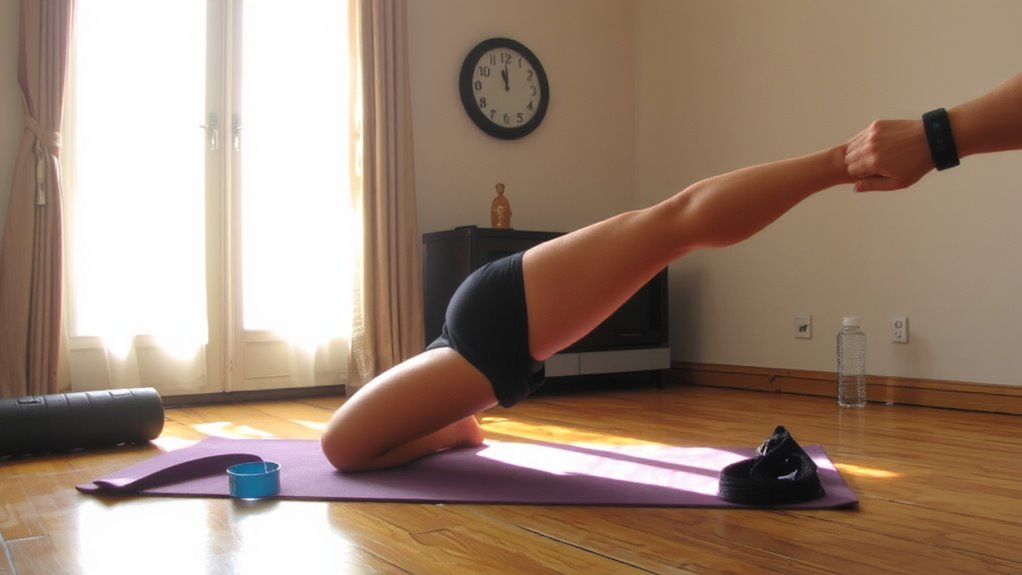
Since your body’s core temperature and neuromuscular function typically peak in the early afternoon, you’re likely to get more out of rehab sessions between 2 and 4 p.m. During this window, exercise timing aligns with natural physiological advantages-joint flexibility is improved, reaction times are sharper, and muscle activation is more efficient. That means you can train with better form and reduced injury risk. Studies suggest this period supports faster muscle recovery due to heightened blood flow and metabolic activity. Your body isn’t just awake-it’s optimized. For post-injury rehab, that’s essential. Performing exercises when your system is primed enhances adaptation and strengthens healing tissues more effectively. Unlike morning or late-night efforts, mid-afternoon workouts leverage circadian advantages without taxing an already fatigued system. Proper exercise timing doesn’t replace quality rehab gear or consistency, but it amplifies their impact, making each session more productive and sustainable over time.
How to Avoid Nighttime Soreness After Exercise
How do you unwind after a solid rehab session only to be kept awake by aching muscles hours later? Timing and recovery strategies matter. To reduce nighttime soreness, control exercise intensity and monitor signs of muscle fatigue during rehab. Exercising mid-afternoon aligns with peak body temperature and muscle function, helping you perform better with less strain. Still, if intensity spikes too high or fatigue builds too fast, soreness can flare up at night. Using recovery bands can enhance muscle recovery when incorporated into a post-exercise routine.
| Factor | High Risk | Lower Risk |
|---|---|---|
| Exercise intensity | Max effort | Moderate, controlled |
| Rest intervals | <30 sec | 60–90 sec |
| Muscle fatigue signs | Tremors, poor form | Mild burn, steady reps |
| Hydration status | Low | Balanced |
| Post-exercise movement | Sedentary | Light walking |
Paying attention to these details improves recovery and helps you sleep better.
What to Do If You Can’t Exercise at 2 P.M.?
You might not always have the flexibility to fit your rehab session into the 2 p.m. sweet spot, but that doesn’t mean you’re stuck with subpar recovery or sleepless nights. If your schedule shifts, integrating morning stretches can gently activate stiff muscles and improve circulation early in the day, reducing later discomfort. These movements should be low-impact-think controlled leg lifts or shoulder rolls-and paired with proper warm-up gear to support joint stability. While not ideal, evening rehab can still work if carefully managed. The key is adjusting your bedtime routines to include cooling strategies like light foam rolling or cold compresses to minimize inflammation. A high-density foam roller can enhance this recovery phase by improving myofascial release and circulation. Timing influences recovery efficiency, but consistency and smart modifications matter more. With the right approach-thoughtful exercise scheduling, supportive recovery tools, and attentive routines-your healing process remains on track, regardless of the clock.
Smart Alternatives to Mid-Afternoon Rehab
While the ideal rehab window may fall in the mid-afternoon, shifting your routine earlier or later doesn’t mean sacrificing results-especially when you choose alternatives designed for your body’s circadian rhythms and recovery needs. Morning flexibility peaks around 9 a.m., making gentle stretching and mobility drills effective for jump-starting circulation. If evenings work better, focus on low-impact movements to avoid aggravating inflammation before sleep. For sustained progress, weekend consistency matters just as much as weekday discipline. Pairing smart timing with supportive fitness gear-like compression sleeves or foam rollers-enhances tissue repair and joint stability. Consider these evidence-based alternatives:
| Time Slot | Best For | Recommended Exercises |
|---|---|---|
| 8–10 a.m. | Morning flexibility | Dynamic stretches, yoga |
| 6–8 p.m. | Evening wind-down | Isometrics, aquatic therapy |
| Weekend mornings | Routine reinforcement | Light resistance, balance drills |
A key factor in maximizing recovery is selecting the right compression sleeves based on fit, material, and medical-grade support.
On a final note
You’ll recover faster by scheduling rehab between 2–4 p.m., when body temperature and circulation peak, boosting tissue repair. Exercising then reduces evening pain flares, aligning with natural circadian rhythms. If afternoon sessions aren’t possible, light resistance bands or low-impact routines can maintain progress without straining joints. Quality recovery gear-like compression sleeves and foam rollers-supports healing, but timing your workouts right does more than any tool.