Recovery Strategies for Athletes With Neurodivergent Conditions
Your recovery should prioritize sensory regulation and energy stability. Skip overstimulating tools like vibrating massagers-opt for weighted compression garments instead. Design a calm, clutter-free space with dim, warm lighting and noise control to help your nervous system reset. Stick to consistent routines with clear cues, like dimmed lights or short breathing exercises, to reduce cognitive load. Try 60-second breathwork or quick body scans to stay grounded. Pair these with neurodivergent-informed support, and you’ll find a clearer path to sustainable performance.
Notable Insights
- Use weighted compression garments to provide deep pressure that calms the nervous system post-exertion.
- Designate a low-stimulation recovery space with dimmed warm lighting and noise control.
- Follow predictable recovery routines to reduce cognitive load and support energy regulation.
- Practice brief, structured mindfulness like 60-second breathing or body scans between training sets.
- Optimize sleep with weighted blankets, blue light blockers, and blackout curtains for sensory comfort.
Start With Recovery That Fits Neurodivergent Brains
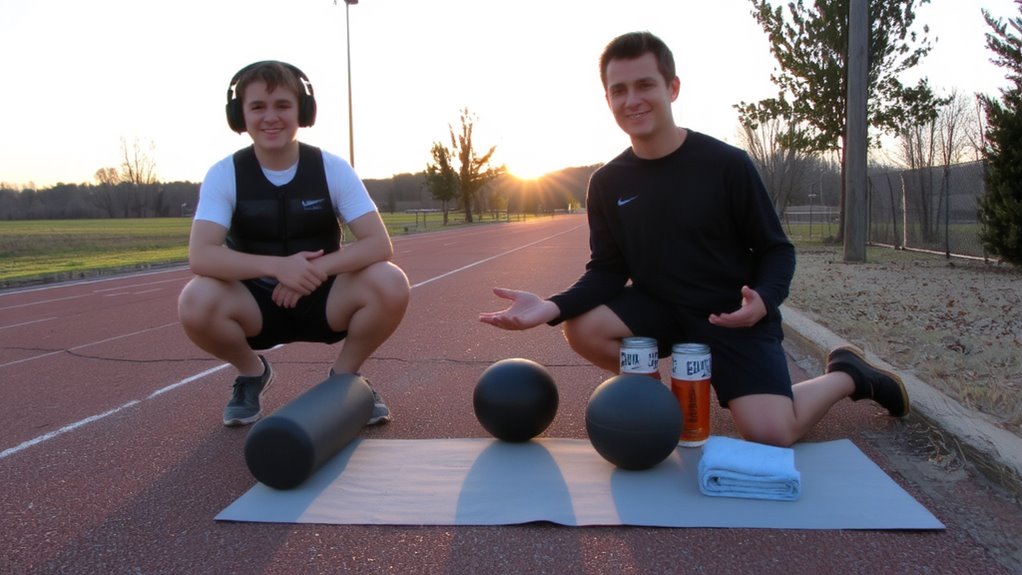
Many neurodivergent athletes struggle with standard recovery routines because they’re not built for sensory sensitivity or cognitive differences. You need recovery strategies that prioritize sensory regulation and manage mental fatigue, both critical after intense physical or cognitive exertion. Typical foam rollers or vibrating massage guns often overstimulate rather than restore. Instead, consider gear designed with controlled input-weighted compression garments, for example, offer deep pressure that supports nervous system regulation without overwhelming it. Tools with adjustable intensity let you customize recovery to your tolerance, reducing the risk of sensory overload. Recovery isn’t just physical; mental fatigue accumulates faster when your brain processes input differently. That’s why gear should support neurological balance, not just muscle relief. Choosing equipment focused on predictability, comfort, and adaptability means you recover effectively-without triggering distress. Recovery that fits neurodivergent brains isn’t a luxury; it’s necessary for sustained performance and well-being.
Design a Low-Stimulation Space for Calmer Recovery
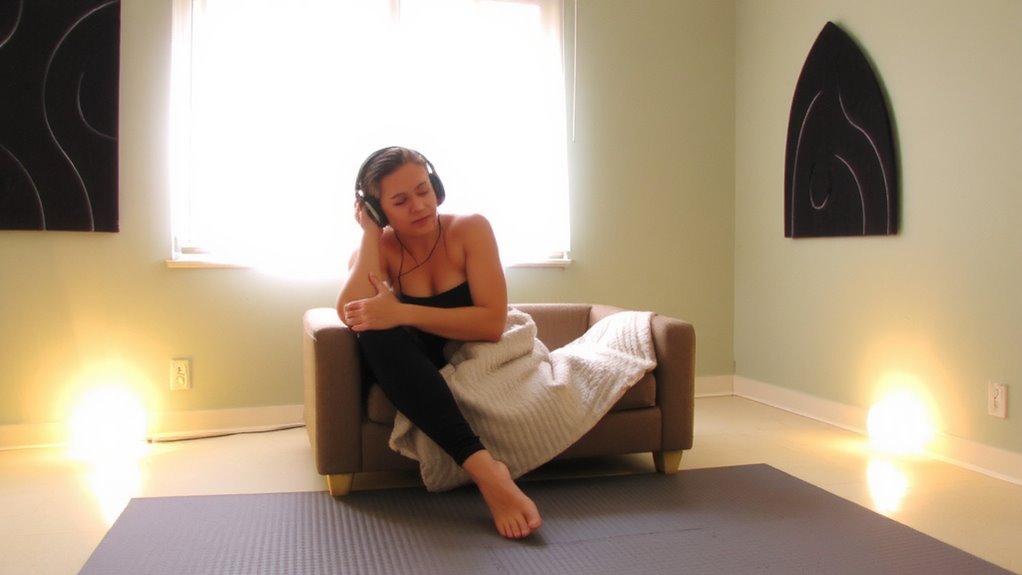
Your recovery gear choices already reflect an understanding of sensory thresholds, but even the best tools won’t help if your environment works against you. Designing a low-stimulation space is essential for calming your nervous system post-training. Start with sensory lighting-use dimmable, warm-toned LEDs to avoid glare and flicker, which can trigger overstimulation. Pair this with quiet zoning: designate a recovery-only area free from foot traffic, noise, and distractions. Acoustic panels or noise-canceling curtains improve sound control. Keep the space clutter-free and include tactile-friendly surfaces like soft mats or weighted blankets. Unlike open-plan rooms, a thoughtfully zoned recovery corner supports deeper relaxation. You’ll notice faster mental decompression and more consistent recovery when the environment respects your neurodivergent needs. Maintenance matters-keep it orderly and device-free to preserve its restorative purpose.
Build Predictable Routines for Steadier Energy
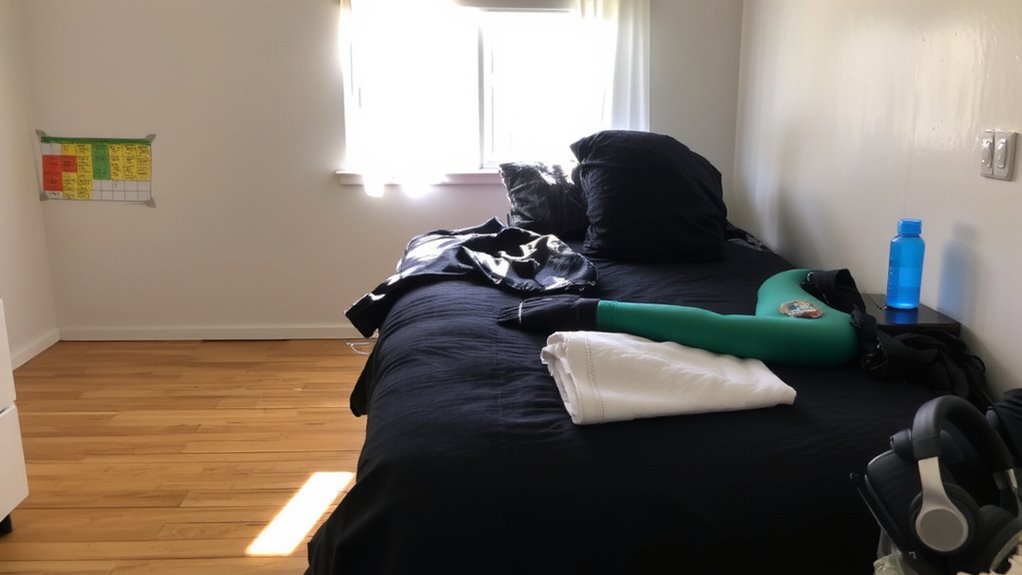
Because consistency shapes how well your nervous system manages stress and restoration, building predictable recovery routines can greatly stabilize your energy levels after training. Structured schedules help your body anticipate when to wind down, making recovery more effective and less draining. When you use consistent cues-like dimming lights at 8 p.m. or using the same post-workout stretching sequence-your brain recognizes it’s time to shift into rest mode. These cues reduce cognitive load, which matters if you’re neurodivergent and more sensitive to change stress. Pairing tools like compression gear or cooling towels with these routines strengthens the signal, improving physiological feedback. Over time, this predictability minimizes energy crashes and supports faster nervous system recovery. It’s not about rigidity-it’s strategic repetition that builds resilience. With consistent cues and structured schedules, you’re not just resting; you’re restoring with purpose, turning recovery into something reliable, measurable, and efficient.
Practice ADHD-Friendly Mindfulness That Sticks
How do you stay present when your mind races faster than your reps? Traditional mindfulness might feel tedious, but ADHD-friendly practices like mindful breathing and body scans can actually stick-if adapted right. Instead of aiming for long sessions, try 60-second breathing exercises between sets: inhale for four counts, hold for four, exhale for six. This short circuit resets your nervous system without demanding sustained focus. Pair it with quick body scans-mentally checking in from toes to head-during cool-downs to release tension and ground yourself. Apps with voice-guided scans help maintain engagement. Unlike bulky fitness gear that promises recovery but collects dust, these tools require no setup, cost nothing, and fit seamlessly into existing routines. Their effectiveness lies in consistency, not complexity. When tailored to neurodivergent thinking patterns, mindfulness becomes less about stillness and more about strategic mental recovery-practical, adaptable, and genuinely usable day after day.
Sleep Better With Neurodivergent-Friendly Habits
Ever wonder why a standard sleep routine leaves you more wired than rested? For neurodivergent athletes, traditional sleep hygiene often misses the mark. Your brain may process stimuli differently, making typical advice too rigid or ineffective. Instead, try building a sensory bedtime tailored to your needs. Use weighted blankets for deep pressure, block blue light early, and keep noise consistent with white sound machines. These aren’t luxuries-they’re tools that support nervous system regulation. Consider blackout curtains or cooling pillows if temperature or light sensitivity disrupts you. Adjusting your environment isn’t indulgent; it’s strategic recovery. Unlike generic sleep hygiene, a sensory bedtime respects how your neurology affects rest. Athletes using these methods report deeper, more restorative sleep. When recovery includes neurodivergent-friendly habits, performance gains follow. Prioritize setups that work *with* your brain, not against it.
Work With Trainers Who Get Neurodivergent Needs
You’ve optimized your sleep space with sensory supports that align with your neurology, and now it’s time to guarantee your training environment does the same. Working with trainers who understand neurodivergent needs is essential for effective recovery and performance. They can tailor routines to support sensory integration and emotional regulation, reducing overwhelm and improving consistency. Look for coaches trained in neurodiversity affirming practices-they’ll adjust lighting, noise, and pacing to suit your needs.
| Feature | Standard Trainer | Neurodiversity-Informed Trainer |
|---|---|---|
| Communication Style | Directive, fast-paced | Clear, paced, visual aids used |
| Environment Setup | One-size-fits-all | Adapts for sensory integration |
| Recovery Focus | Physical only | Includes emotional regulation |
These adjustments aren’t just helpful-they’re performance-enhancing. Proper support helps you recover faster, train smarter, and stay resilient.
On a final note
You recover better when strategies align with your neurodivergent brain. Low-stimulation spaces reduce sensory overload, while predictable routines stabilize energy. ADHD-friendly mindfulness techniques improve focus without frustration. Quality sleep hygiene supports cognitive and physical restoration. Working with informed trainers guarantees personalized, effective recovery. Fitness gear like weighted blankets or noise-canceling headphones can enhance these practices, offering measurable comfort. These tools, combined with structure and understanding, make recovery sustainable, practical, and truly supportive of neurodivergent needs.