Sleep Strategies for Athletes Working Night or Rotating Shifts
Stick to a consistent core sleep window, even when your shifts rotate, to stabilize your circadian rhythm and protect deep sleep. Use blackout curtains and white noise to block daylight and improve sleep quality during daytime rest. Take 10–30 minute naps with a caffeine boost to sharpen reaction time and alertness. Time light exposure carefully-use bright, blue-enriched light at night and wear blue-blocking glasses before bed. Fuel with balanced, well-timed meals and track recovery through HRV, energy, and soreness. There’s a smarter way to sustain performance when your schedule works against the clock.
Notable Insights
- Maintain a consistent sleep window daily to stabilize circadian rhythm and enhance recovery.
- Use blackout curtains and white noise to protect sleep quality from daytime light and noise.
- Take 10–30 minute power naps with strategic caffeine intake to boost alertness and performance.
- Use bright, blue-enriched light during night shifts and dim, warm light afterward to regulate alertness and sleep.
- Align nutrition with shifts by eating smaller, balanced meals and avoiding food 90 minutes before sleep.
Stick to a Core Sleep Window, Even on Rotating Shifts
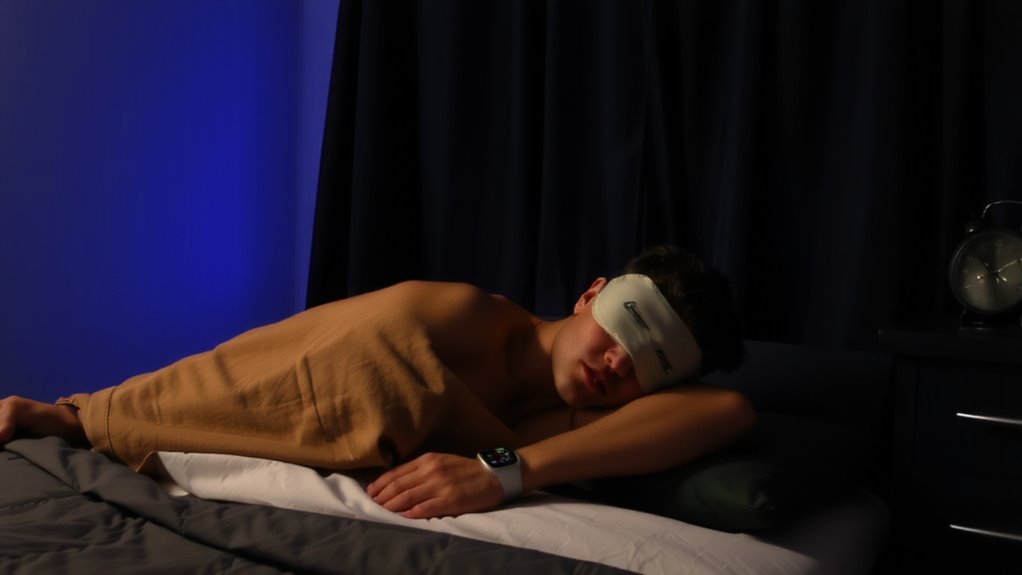
Consistency is your most reliable ally when managing sleep across rotating shifts. Even when your schedule shifts, maintaining a core sleep window stabilizes your circadian rhythm. You’ll benefit most by applying consistent timing-going to bed and waking within the same two-hour window daily, regardless of shift length. This practice supports sleep anchoring, where your body learns to associate specific times with rest, improving sleep onset and depth. For athletes, this predictability enhances recovery, ensuring the body repairs efficiently between training and duty. Think of it like training your sleep schedule like a muscle-regular, repeated effort yields the best results. While fitness recovery gear like compression devices or cooling mats can aid rest, they’re less effective without foundational habits. Sleep anchoring isn’t just convenient-it’s a strategic necessity. Prioritize timing over duration occasionally, because a stable rhythm boosts overall performance.
Stop Shift Work From Sabotaging Athletic Recovery
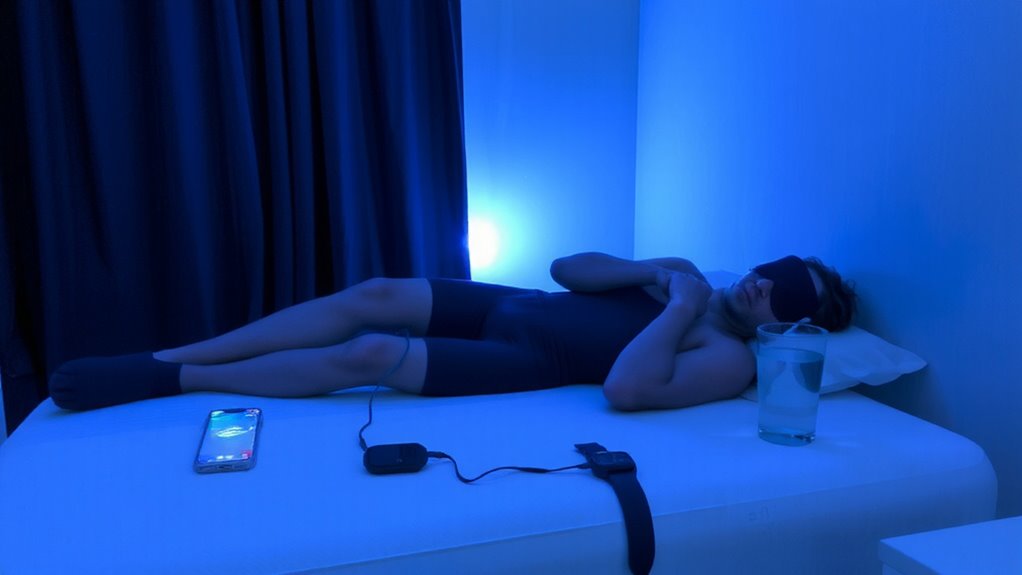
While your training schedule might bend around shift demands, your recovery can’t afford compromises-especially when athletic performance hinges on how well your body repairs under pressure. Poor sleep hygiene doesn’t just reduce physical restoration; it amplifies mental fatigue, slowing reaction times and weakening focus during competition. When you’re juggling night shifts, consistency matters-your muscles need predictable rest windows to rebuild efficiently. Recovery isn’t passive; it’s a physiological process hampered by erratic sleep. Prioritize routines that signal downtime, like dimming lights and avoiding screens, to cue your brain it’s time to rest. Without this, even eight hours of sleep may lack restorative depth. Tools like compression gear or recovery trackers can help, but they’re ineffective if sleep quality remains poor. You can’t out-recover bad rest-solid sleep hygiene isn’t optional, it’s foundational.
Make Your Bedroom Sleep-Ready for Daylight

Even if you manage to catch enough sleep after a night shift, daylight streaming through your windows can undermine its quality by disrupting melatonin production and fragmenting deep rest cycles. Your brain interprets sunlight as a wake signal, making it harder to reach the recovery-heavy stages essential for athletic performance. That’s where blackout curtains come in - they block nearly 100% of incoming light, creating a cave-like environment that supports consistent circadian signaling. Look for ones with thermal insulation; they improve both light blockage and room temperature stability. Pair them with a white noise machine to mask daytime sounds like traffic or construction. These machines provide consistent auditory shielding, improving sleep continuity. Units with multiple sound profiles offer flexibility based on your sensitivity. Together, blackout curtains and a white noise machine form a functional, low-maintenance setup proven to enhance sleep architecture in shift workers, especially athletes who depend on quality rest for physical recovery.
Take Shift-Adapted Naps That Boost Performance
You’ve optimized your bedroom to shut out daylight and noise, but that doesn’t always make up for the hours of sleep you lose on shifting schedules. That’s where shift-adapted naps come in-short, purposeful rests that support fitness recovery without disrupting nighttime sleep. Aim for power nap timing between 10 and 30 minutes; longer naps can lead to sleep inertia, counteracting performance gains. Pair this with strategic caffeine use: drink coffee or a low-dose supplement right before napping so the caffeine kicks in as you wake. This combo enhances alertness and reaction time, critical during night shifts or late training. Unlike passive recovery gear, these naps actively improve cognitive function and muscle readiness. Athletes using this method report sharper focus and less fatigue. It’s not a luxury-it’s a performance tool, just like compression wear or foam rollers.
Reset Your Body Clock With Smart Light Exposure
Light plays a central role in regulating your circadian rhythm, and controlling your exposure can help reset your body clock when shift work disrupts your sleep routine. To achieve circadian alignment, use bright light during night shifts-especially blue-enriched light-to suppress melatonin timing and boost alertness. But as your shift ends, switch to dim, warmer light to signal your brain that downtime is near. Wearing blue-blocking glasses 60–90 minutes before bed helps shift melatonin timing earlier if you’re moving to daytime sleep. Consistent light cues, even on days off, stabilize your rhythm. Smart light bulbs or light therapy lamps (10,000 lux) offer precise control. Over time, this deliberate exposure strengthens circadian alignment, improving sleep quality and recovery. For athletes, maintaining this rhythm isn’t just about sleep-it’s a performance advantage tied to hormone regulation, muscle repair, and reaction time.
Eat to Stabilize Energy and Sleep During Shift Work
Food is a metabolic signal as much as a fuel source, shaping your energy levels and sleep quality during irregular hours. You need consistent meal timing to anchor your body’s internal clock, especially when daylight cues are disrupted. Eating large meals during night shifts can slow digestion and interfere with alertness, so smaller, evenly spaced snacks work better. Prioritize nutrient balance-pair lean proteins with complex carbs and healthy fats to sustain energy without spikes. Avoid heavy, greasy foods late at night; they disrupt sleep onset and reduce sleep quality. When you eat matters just as much as what you eat: finish your last solid meal at least 90 minutes before planned sleep to aid digestion and improve sleep onset. Strategic nutrition supports recovery, maintains performance, and stabilizes mood across rotating shifts.
Track Recovery Differently When Working Nights
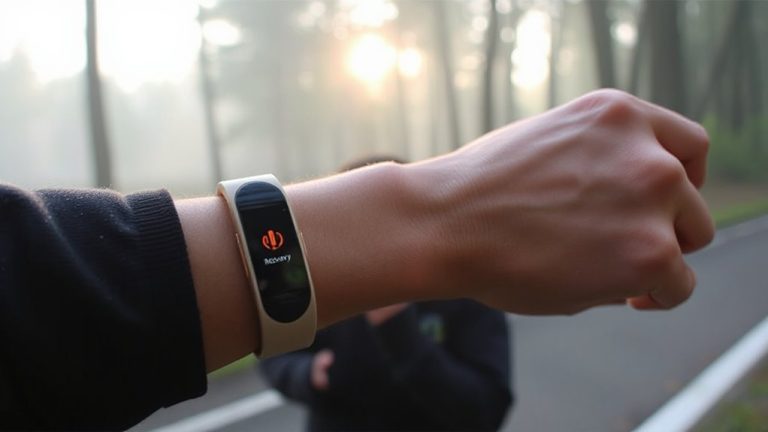
While standard recovery metrics like heart rate variability and sleep duration still matter, they don’t tell the full story when your work schedule flips the body’s natural rhythm. Your body repairs differently at night, especially if you’re training off-cycle. You need to adjust how you interpret sleep tracking data-consistency in sleep timing matters more than total hours when you’re working nights. Recovery metrics may show lower HRV even after rest, not due to poor recovery but circadian misalignment. Consider tracking subjective markers like energy, alertness, and muscle soreness alongside objective data. Devices that monitor sleep stages can help, but rely on trends, not single readings. Fitness recovery isn’t broken-you’re just measuring it under unique conditions. Adjust your expectations, refine your sleep hygiene, and use sleep tracking as one tool among many to guide true recovery.
On a final note
You’ll recover better and perform stronger when you anchor sleep to a consistent core window, even on rotating shifts. Smart light exposure, strategic napping, and sleep-friendly environments enhance rest when nights are disrupted. Pair these habits with shift-adapted nutrition and recovery tracking to support athletic demands. While fitness gear like compression or cooling sleep aids may help, they can’t replace foundational sleep hygiene. Ultimately, consistency and circadian alignment make the real difference in recovery and performance.