Maximizing Slow-Wave Sleep to Enhance Physical Recovery After Intense Workouts
You recover most after intense workouts during deep, slow-wave sleep, when growth hormone surges and blood flow fuels muscle repair. Hard training can boost this restorative phase, but only if you avoid late exercise that raises core temperature. Consistent bedtimes, pre-sleep routines, and smart nutrition-like tart cherry juice or magnesium-rich foods-enhance slow-wave quality. Skip late hydration and post-workout screen time to protect melatonin. Wearables help track progress, but real gains come from aligning habits with biology-you’re just getting the first glimpse of how to optimize recovery.
Notable Insights
- Engage in high-intensity workouts earlier in the day to boost slow-wave sleep without disrupting sleep onset.
- Maintain a consistent sleep schedule, including on rest days, to optimize circadian rhythm and deep sleep duration.
- Perform calming bedtime routines like dimming lights, stretching, or diaphragmatic breathing to support melatonin release.
- Consume magnesium-rich foods like almonds, spinach, or bananas and consider tart cherry juice for natural melatonin.
- Avoid screens and late hydration within two hours of bedtime to prevent sleep interruptions and melatonin suppression.
How Deep Sleep Speeds Up Muscle Recovery
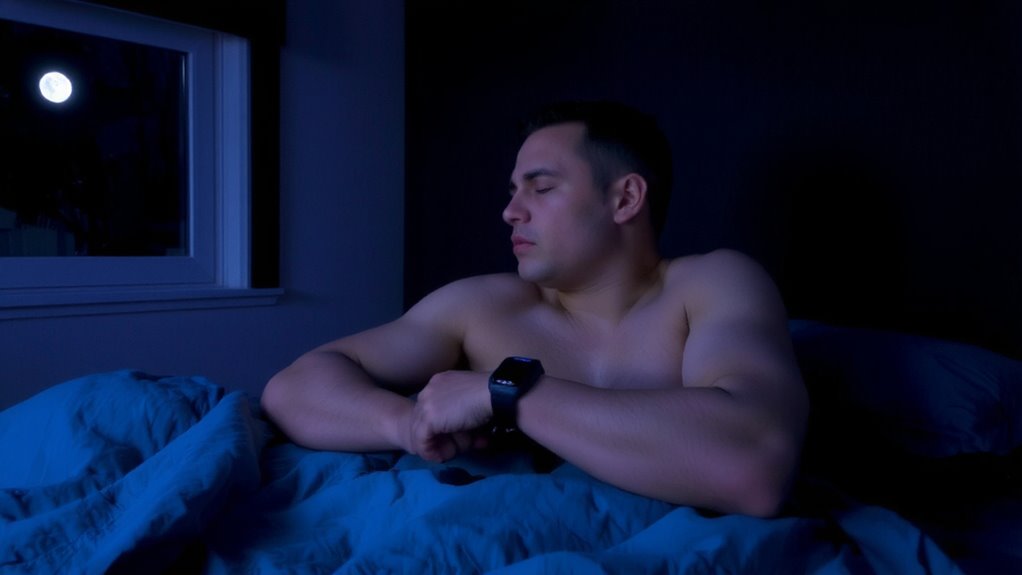
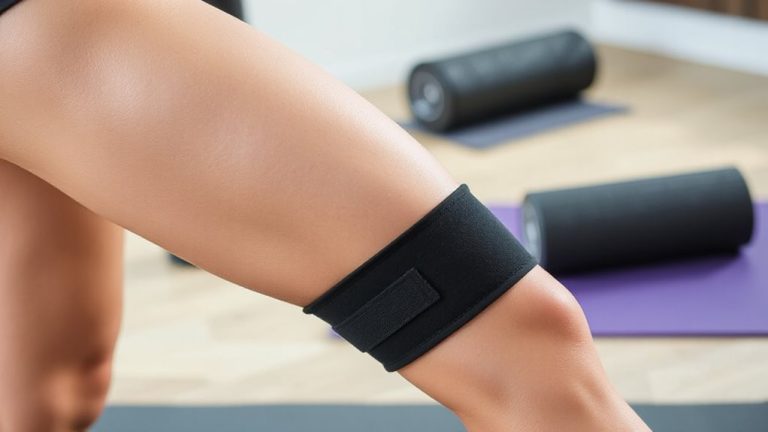
While you’re deep in sleep, your body’s repair systems kick into high gear, and that’s when muscle recovery really takes off. During slow-wave sleep, blood flow to muscles increases, delivering oxygen and nutrients essential for tissue regeneration. This phase triggers a surge in growth hormone-naturally released about every 3 to 5 hours-with peak secretion occurring during deep sleep. This hormone directly supports muscle repair by stimulating protein synthesis and reducing inflammation. Without adequate deep sleep, even the best fitness gear or recovery tools can’t fully compensate for stalled biological processes. While compression wear or foam rollers aid circulation, they’re most effective when paired with quality rest. Ignoring sleep skews recovery timelines, no matter how advanced your gear. Prioritizing slow-wave sleep guarantees your body maximizes its natural repair window, turning hard training into real gains through biological efficiency, not just effort.
Do Hard Workouts Increase Deep Sleep?
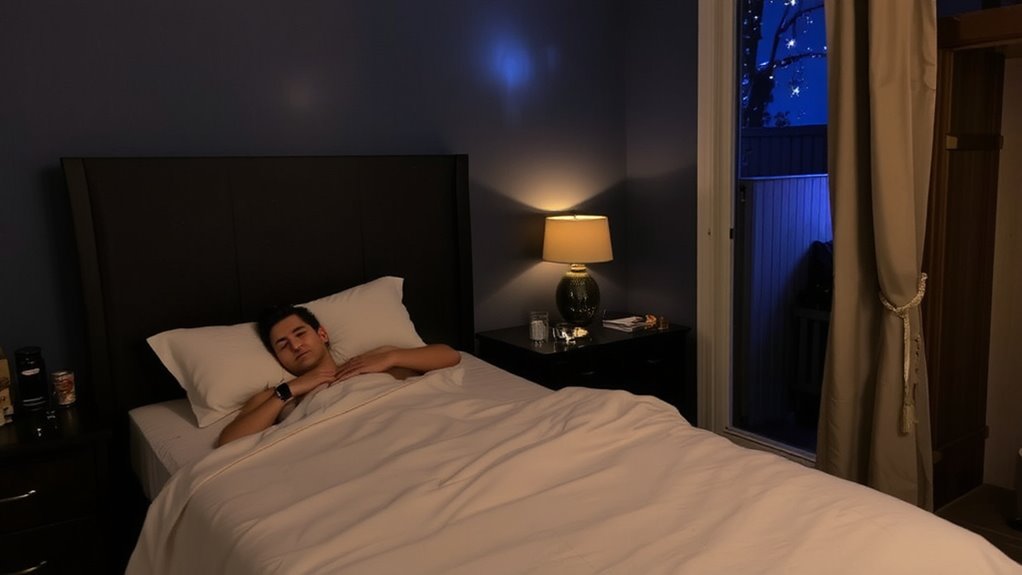
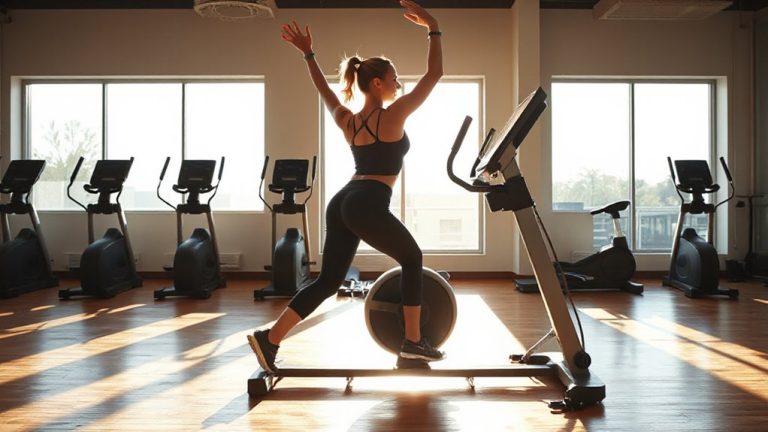
Could pounding the weights or pushing through an intense cardio session be the key to accessing deeper sleep? Research suggests that high exercise intensity does boost slow-wave sleep, the restorative phase where muscle repair peaks. Your body responds to the physical stress of hard workouts by increasing deep sleep duration, aiding recovery. However, timing matters-exercising too close to bedtime can delay sleep onset due to elevated core temperature and stimulated nervous system activity. For best results, finish vigorous sessions at least 1–2 hours before bed. While fitness gear like heart rate monitors can help track exertion, it’s the consistency of intense effort-not the equipment-that drives sleep improvement. So yes, demanding workouts enhance deep sleep, but only if recovery conditions are respected. Balance effort with proper wind-down periods to truly benefit.
Set a Sleep Schedule for More Deep Sleep

When you go to bed and wake up at the same time every day, your body’s internal clock synchronizes more effectively with environmental cues, making it easier to slip into deep, restorative sleep. This sleep timing alignment boosts slow-wave sleep, the stage most critical for muscle repair and growth. The consistency benefits go beyond falling asleep faster-they improve sleep quality and stabilize metabolic recovery processes. Even on rest days, sticking to your schedule maintains circadian integrity, which supports long-term athletic performance.
| Factor | Effect on Deep Sleep |
|---|---|
| Regular bedtime | Increases slow-wave duration |
| Fixed wake time | Enhances circadian rhythm |
| Sleep timing control | Maximizes recovery efficiency |
You don’t need advanced fitness gear to gain these advantages-just discipline with your clock. Consistent patterns outperform high-tech solutions when optimizing for physical recovery.
Build a Bedtime Routine for Better Recovery
Sticking to a consistent sleep schedule sets the foundation for deeper recovery, but pairing that discipline with a strategic bedtime routine amplifies its effects. You lower your core temperature and signal your brain that it’s time to wind down by dimming lights and avoiding blue lighting from screens at least an hour before bed. This reduction in stimulation supports melatonin release, essential for triggering slow-wave sleep. Incorporate gentle mobility work or mindfulness practices-think foam rolling or diaphragmatic breathing-to ease muscle tension from intense training. Though morning stretching aids daily circulation and flexibility, nighttime recovery hinges on calming your nervous system. A predictable sequence, like brushing, reading a physical book, then static stretching, conditions your body to shift smoothly into deep rest. This routine enhances recovery quality by aligning circadian cues with physical readiness, making your sleep more restorative and your performance gains more sustainable.
Eat These Foods to Increase Slow-Wave Sleep
While sleep hygiene plays a foundational role in recovery, what you eat in the hours before bed directly influences the depth and quality of your slow-wave sleep. Consuming foods that support melatonin production and muscle relaxation can make a measurable difference in physical restoration. A tart cherry juice serving 30 minutes before bed delivers natural melatonin and anti-inflammatory benefits. Pair it with magnesium rich snacks like almonds or spinach to calm neural activity and promote deeper sleep cycles.
| Food | Benefit |
|---|---|
| Tart cherry juice | Boosts melatonin, enhances sleep duration |
| Almonds | Magnesium rich, aids muscle recovery |
| Banana | High in potassium and magnesium, reduces cramps |
These foods aren’t just convenient-they’re strategic. When timed right, they complement your body’s overnight repair processes, improving recovery without relying on supplements or gadgets.
Use Wearables to Measure and Boost Deep Sleep
You’ve optimized your evening nutrition with tart cherry juice, almonds, and banana to support slow-wave sleep, but knowing whether those choices actually improve your deep sleep requires more than guesswork. That’s where wearables come in-devices like the Oura Ring or Whoop Strap offer accurate sleep tracking by monitoring heart rate variability, body temperature, and movement to estimate deep sleep duration. These tools don’t just report data; they enable data optimization by identifying patterns and suggesting personalized adjustments. For example, you might discover that evening sauna use boosts your slow-wave sleep by 15%. While no tracker is 100% lab-accurate, consistent trends provide actionable insights. Over time, you can fine-tune recovery strategies with real feedback, transforming guesswork into targeted improvement. Wearables bridge the gap between habit and outcome, making them essential tools for serious fitness recovery.
Stop These Post-Workout Habits That Reduce Deep Sleep
Many athletes overlook how post-workout habits can considerably undermine deep sleep, even when nutrition and sleep schedules seem optimized. Late hydration, while well-intentioned, can disrupt slow-wave sleep by increasing nighttime awakenings for bathroom trips-timing matters as much as intake. Consuming large amounts of fluid within two hours of bedtime reduces sleep continuity, directly affecting recovery quality. Similarly, screen exposure after training-especially from phones or tablets-suppresses melatonin release due to blue light emission, delaying sleep onset and shortening deep sleep duration. Even fitness gear that tracks performance shouldn’t justify prolonged screen time post-exercise. To maximize physical recovery, shift hydration earlier and set digital boundaries. Replace scrolling with low-light stretching or foam rolling. These small behavioral shifts yield measurable improvements in sleep architecture, ensuring your body fully accesses restorative deep sleep when it needs it most.
On a final note
You’ll recover faster when you prioritize slow-wave sleep, as it’s when your body repairs muscle and balances hormones. Hard workouts do boost deep sleep, but only if you support recovery with smart habits. A consistent sleep schedule, a calming bedtime routine, and the right nutrients-like magnesium and tryptophan-enhance slow-wave cycles. Wearables help track progress, while avoiding late-night stimulants prevents interference. Quality sleep isn’t passive-it’s an essential part of training.