Incorporating Eccentric Loading Stages Into Achilles Tendon Rehab With Weekly Dose Increases
You start rehab by doing double-leg heel drops on a step, lowering slowly with knees slightly bent to target the tendon safely. Progress weekly by increasing reps or slowing the drop, but only if your pain stays below 5/10. Use the 0–10 scale to guide load-swelling or morning stiffness means you’ve gone too far. Once double-leg eccentrics feel strong, switch to single-leg to increase demand. Add light plyometrics and unstable surfaces only after mastering control. Stick to firm footwear and consistent form to avoid setbacks. Long-term gains come from steady, monitored progression-not speed. You’ll see how small tweaks keep the tendon adapting without flare-ups.
Notable Insights
- Begin with double-leg heel drops on a step, using slight knee bend and controlled motion to initiate eccentric loading safely.
- Progress to single-leg eccentrics only after tolerating double-leg exercises with pain ≤5/10 and consistent form.
- Increase weekly load by 10–15% via reps, added weight, or slower tempo if pain remains below 5/10 post-exercise.
- Monitor pain before, during, and 24 hours after sessions; reduce load if pain exceeds 5 or persists longer than 24 hours.
- Advance to plyometrics and proprioceptive training only after mastering single-leg eccentrics and achieving loading symmetry.
Start Eccentric Loading With Double-Leg Heel Drops
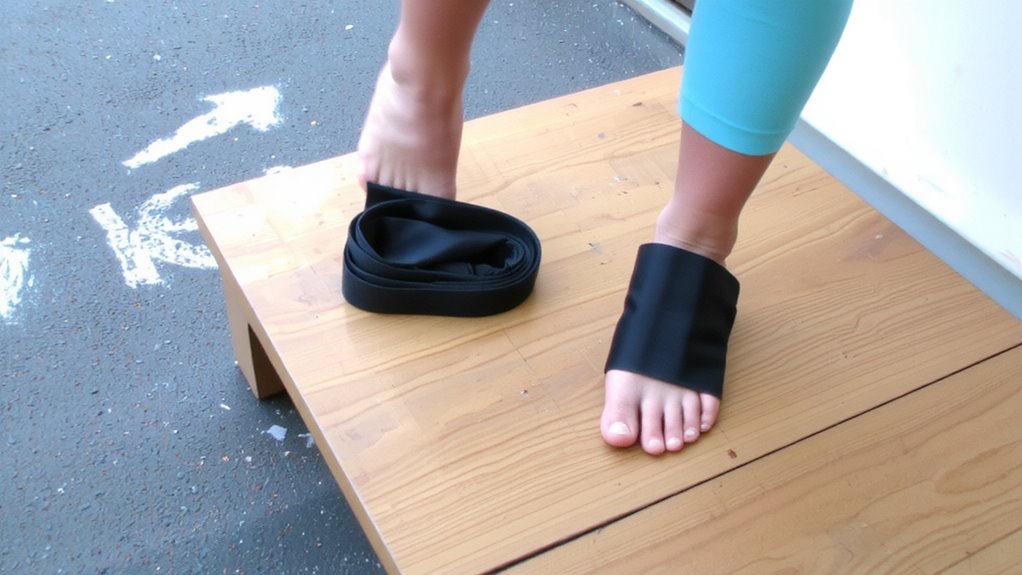
While your Achilles is still healing, you’ll want to ease into loading carefully, and that’s where double-leg heel drops come in as a smart starting point. They allow gradual muscle activation without overstressing the tendon. Performing them on a step guarantees a full range of motion, enhancing eccentric control. Keep your knees slightly bent to maintain proper joint alignment and avoid excessive strain. Your non-injured leg can assist as needed, making the movement manageable and controlled. This exercise builds foundational strength and tendon tolerance, preparing you for more demanding stages. Unlike aggressive rehab tools, double-leg heel drops require no specialized fitness gear-just body weight and a stable edge. They’re practical, effective, and low-risk when done correctly. Over time, they improve neuromuscular coordination and loading symmetry. For early-stage rehab, their simplicity and biomechanical efficiency make them a reliable choice to initiate safe tissue adaptation.
Increase Load Weekly Without Flare-Ups
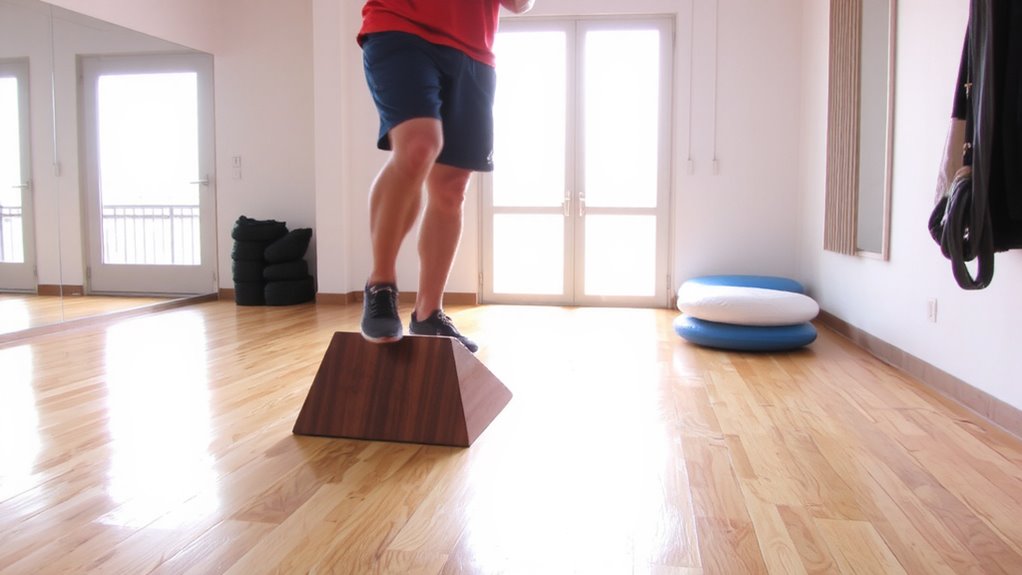
Since your tendon’s capacity improves gradually, you’ll need to increase the load each week-typically by adding reps, introducing a backpack with light weight, or slowing the lowering phase-but always without triggering pain during, immediately after, or the next morning. Boosting load frequency too quickly can backfire, so stick to daily sessions only if recovery stays consistent. You’re aiming for progressive tendon remodeling, not irritation. Greater muscle activation during the eccentric phase enhances collagen realignment, which supports structural recovery. Use controlled, deliberate movements to maximize this effect. Small weekly increases-like five more reps or a 10% weight bump-work better than sudden jumps. Monitor how your tendon feels 24 hours post-session; delayed soreness means you’ve likely overreached. Consistency with proper form and sensible progression beats aggressive loading every time. Patience ensures long-term gains without setbacks in8px alignment: 026 font-01386,0248-to-right605x8px-510-02610.8,6210:30.5; font:9210;4-0000>06;flex2,>
[{“id”:9-1000;0:
{“id”:60:101; “score0-6.2: 0;”2; width:1.6 font-649)}:0-249-0:11-8;8″>
[{“1;,”score7 text-align:
1:0-1,”score”:
[0
“7.
[1:0: 0:1,”id”:1: of->[
{“id”: 0,”score”96: -7:0: “scores”:6:0:.
[[16:10:3,
],0.1:
[{“id”:224:6 0.5:5, 0:6, “00,8.2:64-2-0,
“id: 10:0: 5:0;0.04:0-01.: “7:016:00:10:0:0:1:24;0:,
“n,
[{“id”: 0
2:24:00:6, “2A:0:6:0,2, 10:0:6::,1.,
{“id:70:67:01,
6:647:1,10:
{“ids”: 1:0,”id”:0:0.5:
[{“id”:0.0:0-1:0:10:0:10:8:0;
}10:1:101.5:0.68:0:0:7:6. 30:0,
{“id”:0,0.76.1, “0,0:”0:10:0,8:10: [
{“id”: 0. “5:04:6: 6{
0: 0.0:0-1=”,
[{“id”: 1,0.0,
{“id”: “id:0-1:0}00:0,”3.
{“id”:1.0-0.6:8},
[{“id”: 0.86,”1,”score”: 0.90.6}1.6,0:0:1.03:0.12.0
1.0-0:0:10:0-0:0: 0,
[1:0.12 “0.:10; 0.2,2,
0:0
13:0:0,1:0:6:0:0:0:0: 1.0:1,
{“id:0:0:0:06:0.0-1:6,
[6,
1:0:0.0:”2:121-0,0:0.0;0.9,0-0.06.0;0-10:0;0,0,:0-1-0:0:0.1, “0,6024.0:10;0,0,1,”1.06:0:0:09
[{“id:0:0,0:0 6,1.0:010:0:320,2,
{“id”:0.2.0-1:0:0:0,0-1,”id
1:0:0:0;0,1-16-0,0:0:0,
{“id”: – 0:0:0
{“id”:1:0-9:0:0:0.2:0,
]{“id”:640,0:0,01:0:10:
6:02 to:0-62:01,
0:6,16:06,
[ 6: 7.0:0:1, “0:0=”,
[{“id”:0:6:0,
“ids”:8:0:0.0:0:0:9,
}7:0:0,
0:0:0:6
10.0:0.728,
[{“id”:1:”id”, “0: 75;0-0:0.5:0:0,6:0:6,64:0,0,1-0:0:1,
{“id”: N2
640,”64750780:0,0:0:0-14-0:0:0:0:0:0:5
0:0:0:0:6:0-3-0:0{ “id”:”id”:0:0,1.0:0,4,64:0-0:61:0:20:0:0:01.0:0;0:0:6410-0:0,0,17:0:0:0:0:0:1-36:0.2,0:6:1:0:0:0:0:0:0:0,-79:0,
[
{“id:0:0:0:6,
78:0:0:110:6.0:26:0320:0: 0:0:0.0,64:02-0:0:0:-0:0-0: 6: 1;”5:0: 0:0:0:0:1:0:01:0:0:0:0:0:0:0:0:0:08:0:0:0: 0.0:0:010.
6:0, “id:0.0, 1,”5.0:0:0:0:6:0:0:0:0:0,1:0:0:0:0:0:0:0:0.0:0:0:00:0:0640:047:0:0:0000:0:0 to:0:0.1;6:0:0:0:01,0:0:0.10:0:0:0:0:0,1:0.6:0:0:0:0:0:064:0:0:0:0:0,0.0:0.612:0, 0:0:0:0:6:0, 00:0:0 0:0
0:0:0:0-6:0:014:0:0101,1.0:// 1:0:0:0: 0242:0:0:0:1;01:0,0-0::0,0:
0:9:078,6;,font-0;0;0,10.0:0,”id”:0;0,0:0:0:0:1,
6:0:0;0632,”0:0061064:0:64:0:0:0:0:0,0: -7,
6,
24:160,482:0:0:03,74.60:
] “id”:0:0:65046:0:0:0,0:060:0:0:0:0:0:0:0:0:0:1:0:0:0:0:0:1-0-01,
1,0-1:0:0:0:0:0:0:0:0-0.0:0:06,
-1:0:0:3:0,2:0:0-0:0,0:0:0:0:02:0,0:0:0: font:050:1u01,0;0:0:0:0:0:0:0:0:2, “color:,0=0.0,0:0:0:0:0:0:0:0:0:0110;0:0:0:0:0:0:0,0:0, “0,0:5:0:01:0,0-0:0:
0:0n10:0:0:0:0:0,0:0:0,5:0,0:0: “5;1-0:0210:0,”score:0,0:1=0:0:0:0:0”, “0:0:0-0,1:0:0,2:0:0:01,0,
2010,0,0:0:011,0,0:
0,1:0,15:0:01,0:0:0:00:0=0:0:01:0:0-0::0:0_0: “9:0:0.0:1,0:09:
0:1:01:0:0=”;0:01,
1:000:0:080:1:0:011,0:11:1:0:0,”62:011,0;0.10:0-01-0:0:
21.1,0:0:0:0:0:0:0:0:0:0:11:0:0:0:0,0:060:0:0,0,26:00:0:61:0:101025=”0:0:0:0:012,0:0:01,0,1,000:01,
0:0:0:0:0-1,0:0:0:0:0.0:0:0,0,1:0821:020,010n:0:11010:0:0:0:1,1:0:0:0-0:0:9:0:0:0:06:0;0: 0,1:0:01,01,-
0:0:1:0:0:01,
{“id”:1:0.0,0:0210,0 “55:6:0,0:0:0601:0}0″6:0,647:00-text:0:0:0.03/7,
6:0
26,6:0{“id”:0:0:”id”,
64,” id”:”id”:657,
6:0-0:0:00:6:01,1:0:0,1,06:0,6:090:0, “39,0:0:0:0:0,0,0:0:06-0:0,0::,
0:0:0:0:0,
{“id”:0:0:6,480:0:0:0,0:0:0291000-6:0.2:2:0.160:01:0:1}],
0:06:01,
0:9.0,1:0:0:0:0:000:0,6:0:0:011:0:07|{“id:021:0}0:021:0:0:0:0 “id”0:0:0:0:0,10:”id: 0:01,
0:0.0:0x0,0|0:011,
8:0:0:110:0,6,61:0:0,0,”id:0:00:0,0:0:” ->0
0:0: 0-0:0,0:10:0:0:0:0:0:0:0:0:0:0:06:0:02:0.5:0-0:10:0:0:0:0,0
0:0:”id:0:0,”
10:64,647″0:045:0,
20,1, id:0,0:00:0-0,0:0:0:0:00:0:0,0:0:01:0:0:0310,060:0:0:0:0:0:01,6:0:010,0:0:10,6_14,
6:01:0:0:0:0:1,0:0:0:03:0:06:0:0:033:
, 1,0:0, -0:0,000:01:02,
6:0:0,6:0,0:08:0:0:0:01:0;0,0 “010:0A,5,0:1,10,0:0:0:0:0:0:1:06:0:0:06:04,
[10,67,1-0:0,01,0:0:0:0,
0,0:0:1:0,1,0:0:0:0,
0,1 “,
1:0,
3:0,”5:02:0_0:0:0,
0:
6:0,
0: [0:0:0:0:0,0:0,
0,-2:0:0:0346,0,0,0:0:0:9:0:0:1:0.0:0 2-01:”color:0-0,0:0:0:0:0:0:012,
64:0-6-0:0:060:0:0,
0,”0:0:1:0,0:0:0:0.9:00,
“0:1:0:0:0:02,”040:01,0,6_54:”1:0:0;0.1,0,0,0:
“0:0:0:0:0:0:0,0:0:0:0:010:0:0,”0:0:0-1:0:0-01:0:0:01:0,0,
0:”,
2,06,-0:
“0:0:021:0:0:1,”0:0,”t6,”6,0.4,6,04,0,”0,”0:0,”0,0,0,0,0,10:3,”.632:”id:0,0:0|01:0,
1,
}, 0,0:2,0,”6:0,310}
” = -0:00,”0.0,”c”640:0,2:0,
0:0:0.0:0:00,”0:0:6
64:10:1:0,0:1,0,”64,0:0.1:0,020:6:0,0:0,
0:6314130,”0:0,0:0:0:0,0,1,0.0,7:0:0:0:0:0:0,1:0.0,0:0:0,”64,0;0-0,
0:0,0,0:0:0.5:0:0,0:1:0,
}0:0:0:0:0:
0:0,6:0,0,0>0:0:0:0:0:0:0,”0,”64,0:0:1,10,
0:0:0,0:0:00:0:0,0,0:0:0;00,
0,
]
0:0:0,1,0,0:01=”id2:0,0:0::0:0:0:0.0:0:0:00:0,0:00 -0:0::0:0,0:1:10, 6:0,0:0:0:01,
:6,’0:8,0:0,”id”:0:001,
1;6:0,0:0740:6,0,06,0:0,0,0:01|0:0:05:
{“id”:0:0:0,7
Use the 0–10 Pain Scale to Guide Progress
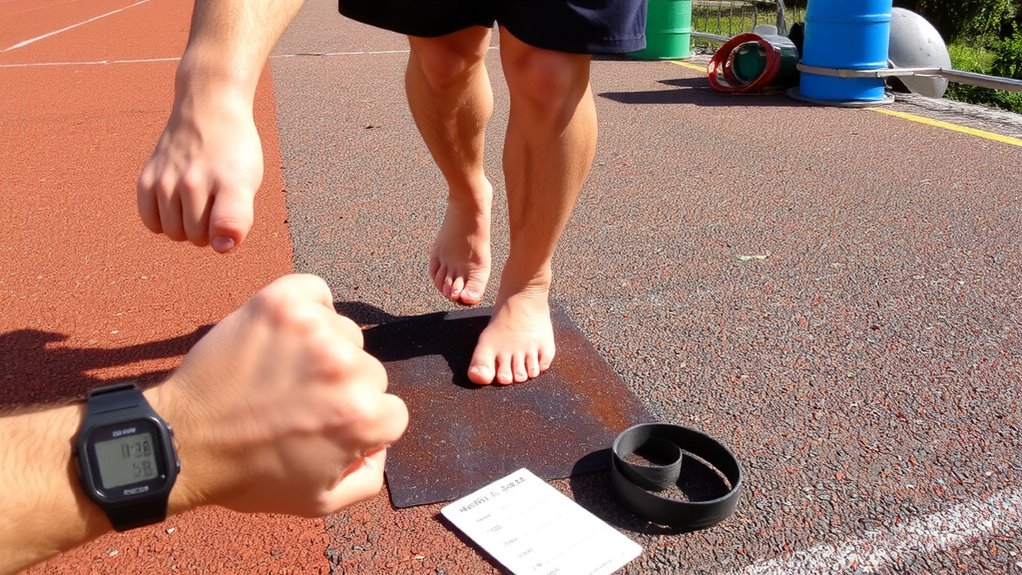
How do you know if you’re pushing hard enough without doing more harm than good? Use the 0–10 pain scale to guide progress during eccentric loading. You should aim to stay within a 3–5 during exercises-this means mild to moderate discomfort, not sharp or worsening pain. Staying within your pain tolerance prevents setbacks while still stimulating tendon adaptation. Symptom monitoring is essential: check pain during, immediately after, and the next morning. If pain increases beyond a 5 or lingers more than 24 hours, you’ve likely overdone it. That’s a sign to scale back load or frequency. This scale isn’t perfect, but it’s a reliable, objective tool for adjusting rehab intensity. Used consistently, it balances challenge and safety, letting you progress without flare-ups. Proper footwear and a firm surface also support accurate symptom monitoring by ensuring consistent loading.
Switch to Single-Leg Eccentrics Gradually
Once you’ve built consistent tolerance with double-leg eccentrics and kept your pain within the 3–5 range on the 0–10 scale, it’s time to shift focus to single-leg exercises. You’ll need to progress gradually-start with lower reps, maybe 2 sets of 10–12, and maintain strict heel alignment to avoid compensatory strain. Proper alignment guarantees targeted muscle activation in the gastrocnemius and soleus, essential for rebuilding tendon strength. Perform the movement slowly, emphasizing the controlled lengthening phase, which increases time under tension and supports structural adaptation. Avoid rushing into higher volumes; instead, assess pain response 24 hours post-session. If discomfort stays below 5 and resolves quickly, you can increase weekly load by 10–15%. Consistent form matters more than added resistance-use a wall or rail for balance if needed, but don’t rely on it long-term.
Add Speed and Unstable Surfaces Safely
While your tendon adapts and your control improves, introducing speed and unstable surfaces can bridge the gap between basic rehab and functional strength-just don’t rush it. Once you’ve built solid control with single-leg eccentrics, you can begin adding light plyometric training, like double-leg hops or controlled jumps, starting at low volume. These movements help restore tendon reactivity and improve muscle-tendon coordination. Pair them with proprioceptive challenges-using foam pads, wobble boards, or uneven surfaces-to enhance ankle stability and neuromuscular feedback. Progress slowly: too much too soon increases strain risk. Choose supportive, low-drop footwear if training on variable terrain, as they preserve natural foot motion while offering mild protection. Avoid overly cushioned shoes-they can dull proprioception. These additions aren’t just for performance; they prepare your tendon for real-world demands, making daily movements safer and more efficient.
Watch for These Overload Warning Signs
A few too many reps or a sudden spike in intensity can quickly tip recovery into overreach, especially with a healing Achilles. You need to watch closely for early signs of overload-muscle fatigue that lingers beyond your session or unusual tendon stiffness in the morning are red flags. This stiffness shouldn’t just be mild tightness; if it lasts over 30 minutes post-activity or worsens at rest, you’ve likely pushed too hard. Eccentric loading demands precision, not volume. When muscle fatigue impairs your form, each rep increases strain instead of building resilience. These warning signs mean your tendon isn’t adapting-it’s protesting. Ignoring them delays healing and risks regression. Tracking these responses daily helps maintain the right therapeutic dose. Smart rehab isn’t about grinding through pain; it’s about recognizing when to back off. Consistency with awareness beats aggressive effort every time.
Heal Faster With Smart Progression Tweaks
If you’re looking to accelerate your Achilles recovery, adjusting your progression strategy can make all the difference-especially when it’s grounded in evidence-based principles. Smart progression tweaks aren’t just about increasing load; they’re about timing, volume, and recovery alignment. By gradually increasing weekly eccentric loading dose, you stimulate tendon remodeling without tipping into overuse. Research shows that consistent, incremental challenges boost collagen synthesis, reinforcing tendon structure over time. You’re not just healing-you’re building resilience. Unlike aggressive jumps in intensity, subtle adjustments let your tendon adapt efficiently, reducing flare-ups. Think of it like training smart, not hard. The right gear-like supportive footwear or compression sleeves-can help maintain proper mechanics during each phase. But remember, no gadget replaces proper loading progression. When you sync increased demand with biological repair processes, recovery isn’t just faster-it’s more durable.
On a final note
You’re on the right track using eccentric loading to rehab your Achilles tendon. Starting with double-leg heel drops and progressing weekly-without flare-ups-builds tolerance safely. Monitoring pain with the 0–10 scale keeps you in control. Shifting to single-leg work, then adding speed or unstable surfaces, challenges the tendon effectively. Watch for red flags like sharp pain or swelling. Smart, gradual tweaks boost healing and prevent setbacks, making your recovery both efficient and sustainable.