Ankle Mobility Drills With Banded Eversion With Plantarflexion
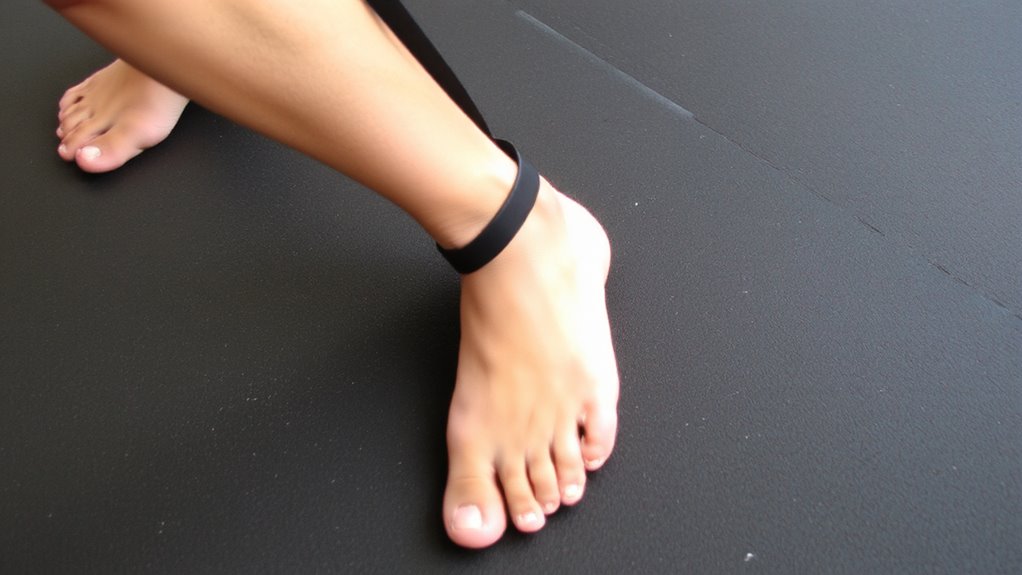
You’re not fixing stiff ankles with stretching alone-add banded eversion with plantarflexion to build real joint control. Sit with your leg extended, band looped under the foot’s ball, anchored laterally. Keep your heel down and move the foot outward smoothly, maintaining tension. This strengthens the peroneals, boosts rearfoot stability, and improves tissue glide far better than foam rolling. Avoid wobbling or hiking your hip-control beats reps. Do it 3–4 times weekly for sharper cuts and stronger landings; there’s a smarter way to train this.
Notable Insights
- Combine banded ankle eversion with plantarflexion to enhance peroneal activation and improve dynamic rearfoot stability.
- Perform banded eversion in plantarflexion by anchoring the band laterally and moving the foot outward against resistance.
- Maintain a stable heel and neutral hip to isolate the peroneals and prevent compensatory movements during the drill.
- Use consistent band tension and controlled motion to maximize tissue engagement and joint capsule mobility.
- Train 3–4 times weekly for 8–10 minutes to build endurance, stability, and adaptive strength in the lateral ankle complex.
Do This Drill to Unlock Stiff Ankles
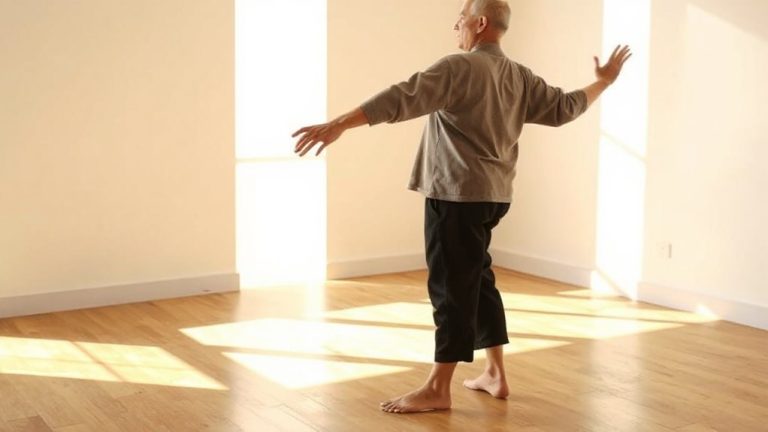
Why do so many people struggle with stiff ankles despite daily movement? You likely lack targeted work that boosts ankle flexibility and joint stability. Basic walking or standing won’t challenge your range of motion enough to make lasting changes. Incorporating a controlled mobility drill-like knee-over-toe lunges with deliberate dorsiflexion-forces your ankle joint to adapt. You’ll feel tension release in the front and side of the ankle, signaling improved tissue glide and capsule mobility. Done consistently, this drill enhances both flexibility and stability, two key factors often compromised by sedentary habits or repetitive motion. Use a band or wall for feedback to guarantee proper alignment and depth. The drill’s effectiveness lies in its simplicity and biomechanical precision. Recovery gear like foam rollers can prep tissues, but won’t replace active movement. This drill isn’t flashy, but it delivers measurable gains in function and resilience.
How Banded Eversion Strengthens Your Outer Calf
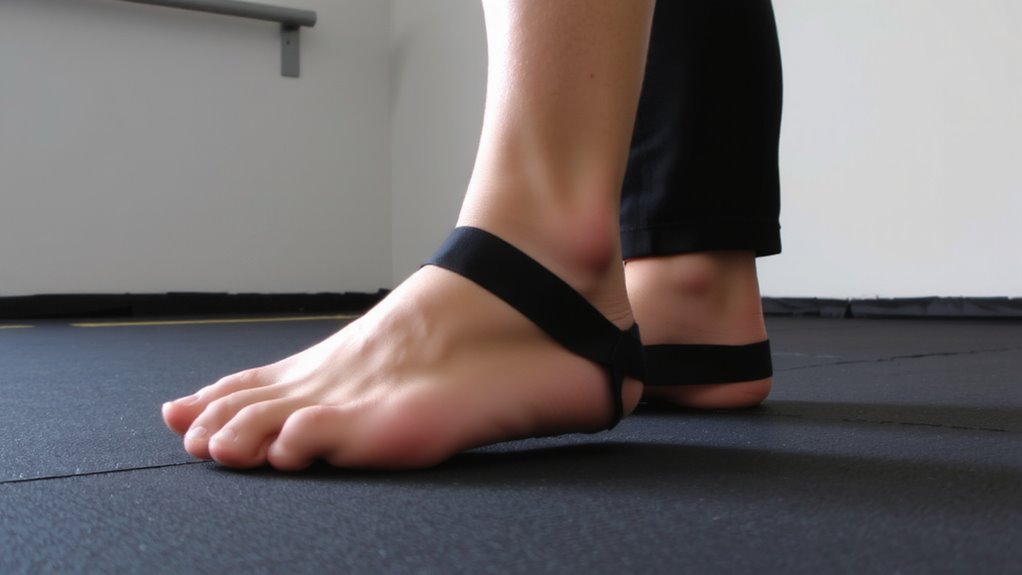
What if strengthening your outer calf could be as simple as attaching a band and moving your foot outward? Banded eversion does exactly that, targeting the peroneal muscles along your lower leg with focused muscle activation. These muscles are essential for lateral stability, helping prevent ankle rolls during cuts or uneven terrain. When you resist the band’s pull by everting your foot, you’re not just moving-you’re building control and endurance in often-neglected stabilizers. Unlike traditional calf raises, this drill emphasizes the outer chain, improving both mobility and strength. Quality resistance bands with consistent tension make a difference, ensuring smooth performance without snapping or slipping. Over time, you’ll notice better balance and reduced strain on the ankle joint. It’s a small addition to your routine, but one that supports long-term joint health and functional movement, especially when used with proper gear and consistent form.
Follow These Steps for Perfect Form
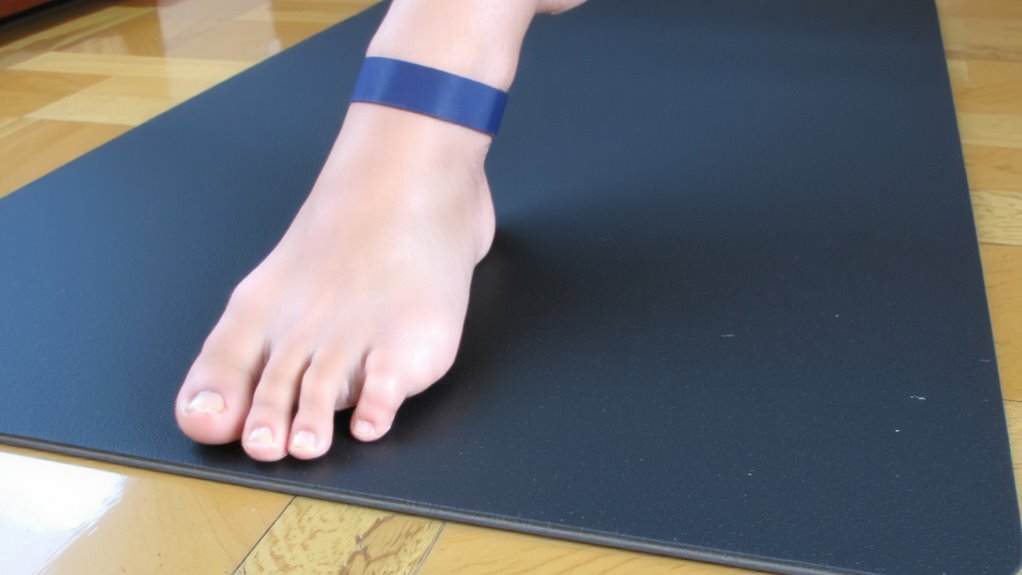
Perfect form starts with setup-your body position, band placement, and foot alignment all matter when maximizing the benefits of banded eversion. Sit with your leg extended, loop the band securely around the ball of your foot, and anchor it laterally to create resistance. Keep your heel still and toes relaxed. As you evert your foot against the band, focus on controlled motion to enhance ankle stability and avoid momentum. Engaging the peroneal muscles deliberately promotes range optimization, increasing joint mobility and tissue resilience over time. Maintain a neutral hip and avoid torso shifting-this guarantees targeted activation. You should feel tension along the outer calf, not strain in the ankle joint. For lasting results, perform each repetition slowly, emphasizing full contraction and release. Using a durable, adjustable resistance band improves consistency and progression, making it a smart addition to any recovery or strength-focused routine.
Fix These Common Banded Eversion Mistakes
You’re already set up with the right form-secure band placement, a neutral hip, and deliberate control through each rep-but even with solid technique, small errors in banded eversion can still undermine your progress. One common mistake is allowing the ankle to wobble, which promotes ankle instability instead of correcting it. That instability increases your risk of a lateral sprain, especially if you’re returning from injury. Don’t let momentum take over; slow, controlled movement builds real strength. Another issue? Placing the band too loosely-this reduces resistance where you need it, weakening the exercise’s effectiveness. Keep tension consistent and aligned with your foot’s natural eversion path. Also, avoid hiking your hip to cheat the motion; it shifts focus from the peroneals to larger, less-relevant muscles. Stay grounded, stay strict. These fixes aren’t just about form-they’re about reinforcing joint integrity and preventing setbacks.
Do It This Often for Real Results
Three to four sessions per week is typically enough to see meaningful gains in ankle strength and mobility, especially when you’re consistent with banded eversion drills. That training frequency strikes the right balance-enough to stimulate adaptation without overloading the joint. Most people notice improvements in dorsiflexion and rearfoot control within three to six weeks, provided they stick to a regular routine. For best results, pair each session with consistency tips like scheduling drills at the same time daily, using a resistance band with even tension, and tracking reps to avoid under- or overtraining. Short, focused workouts of 8–10 minutes work better than sporadic, longer ones. Your mobility gains depend less on sheer volume and more on reliable execution. Overdoing it won’t speed progress-poor recovery and joint irritation might actually slow you down. Stick with the rhythm, monitor your foot’s response, and let steady effort build long-term resilience.
On a final note
You’ll notice improved ankle control and reduced stiffness over time with consistent banded eversion and plantarflexion drills. This exercise targets the peroneal muscles effectively, enhancing stability and mobility essential for walking, running, and lifting. When paired with quality recovery gear-like durable resistance bands and supportive footwear-results come faster. Performed correctly and regularly, this drill supports long-term joint health, making it a practical addition to rehabilitation or preventive fitness routines.