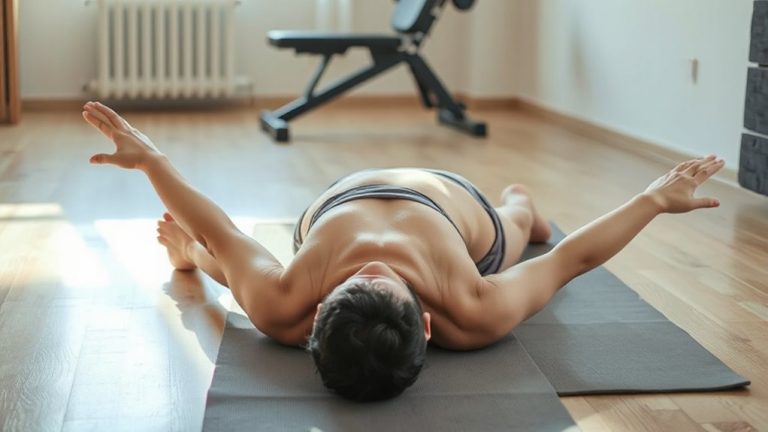
Active Recovery Through Slow-Motion Dance Inspired by Authentic Movement Principles
You’re not just cooling down-you’re retraining your body. Slow-motion dance rooted in authentic movement builds awareness through gentle, self-led motion, helping your nervous system shift from stress to recovery. Without apps or gear, you tap into breath and sensation, releasing tension where foam rollers can’t reach. It’s not about reps or resistance; it’s about showing up, tuning in, and letting your body guide repair. There’s more to discover in how this practice reshapes recovery from the inside out.
Notable Insights
- Engage in slow, intuitive movement guided by internal bodily sensations rather than external performance goals.
- Use breath-coordinated motions to activate the parasympathetic nervous system and support muscular recovery.
- Practice barefoot in loose clothing to enhance somatic awareness and unrestricted range of motion.
- Begin with 10–15 minutes daily of gentle gestures like swaying, rolling joints, or flowing arm movements.
- Track subtle shifts in tension and ease through movement journaling to reinforce neural recalibration and recovery.
What’s Authentic Movement: And Why It Works for Recovery?
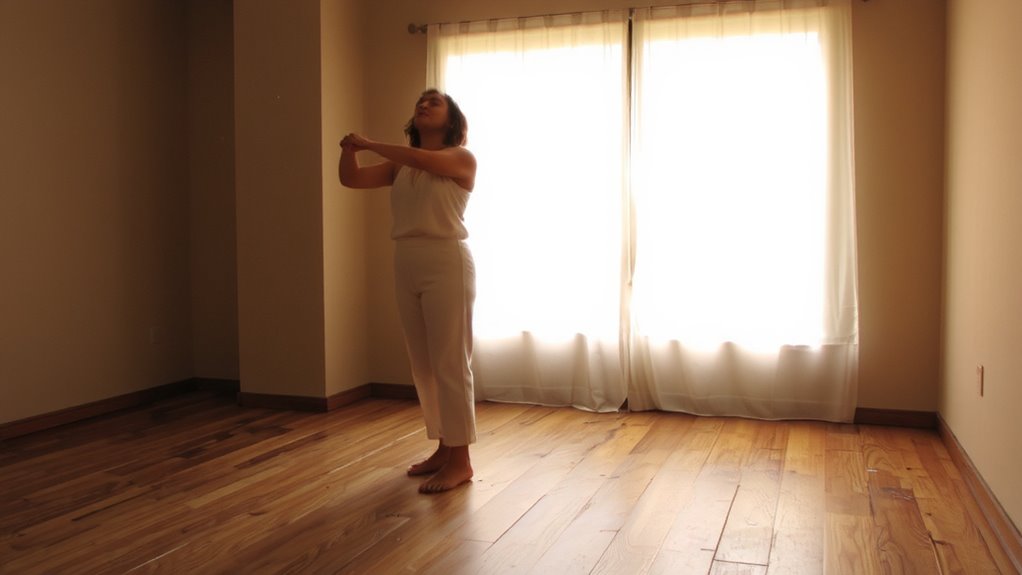
Why does moving slowly and with intention feel so different from your usual workout? Because Authentic Movement invites embodied awareness-tuning into subtle shifts in your body rather than pushing through them. You’re not counting reps or tracking heart rate; you’re listening. This practice centers on intuitive expression, letting movement arise from internal cues rather than external goals. It’s not about performance, so rigid fitness gear isn’t necessary-just breathable, flexible clothing that allows full sensation. Unlike high-intensity recovery trends, this method prioritizes neural recalibration over mechanical output. Practitioners report reduced stiffness and sharper mental focus, suggesting it supports recovery on multiple levels. While it doesn’t replace strength or cardio, it complements them by addressing neuromuscular fatigue. Slow-motion dance grounded in these principles helps you stay in your body without strain, offering a sustainable, low-impact tool for long-term fitness resilience.
Why Slow, Mindful Movement Calms Your Nervous System
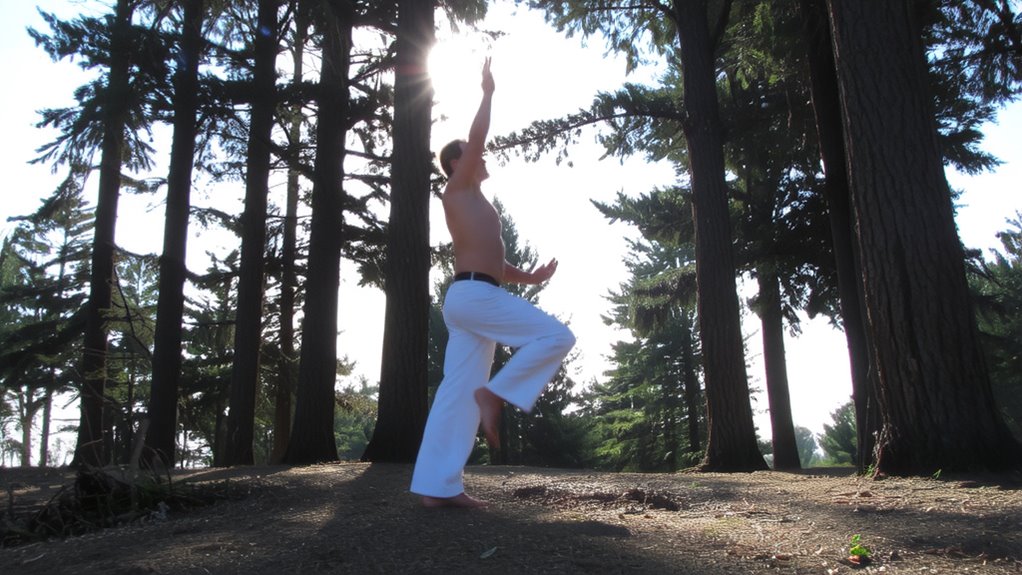
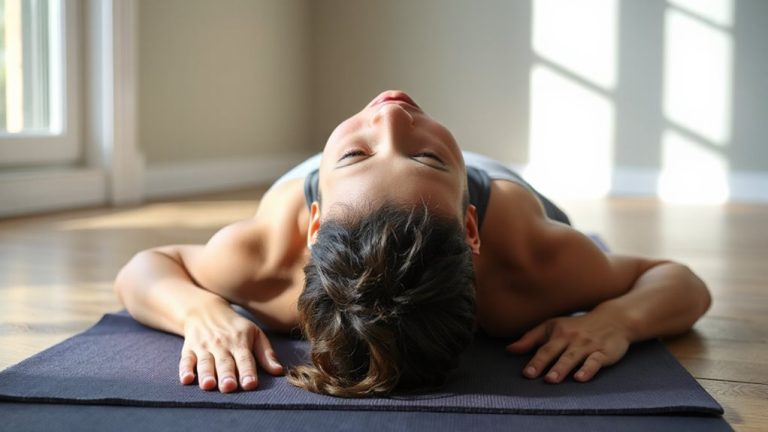
When you slow down your movements and focus on the subtle sensations within your body, you’re doing more than just stretching or recovering-you’re signaling safety to your nervous system. This shift activates the parasympathetic response, reducing stress hormones and supporting recovery. By cultivating somatic awareness, you tune into internal cues-muscle tension, breath rhythm, joint positioning-enhancing control and alignment without strain. Such mindful motion fosters neuroplasticity benefits, rewiring motor patterns and improving neuromuscular efficiency over time. Unlike high-intensity recovery tools, slow-movement practices don’t rely on external resistance or gear but on internal feedback loops, making them sustainable and accessible. You don’t need compression devices or vibration rollers; just consistent attention. The results? Better movement quality, reduced injury risk, and deeper mind-body integration. It’s recovery grounded in awareness, not equipment.
How to Start Your Own Slow Movement Practice
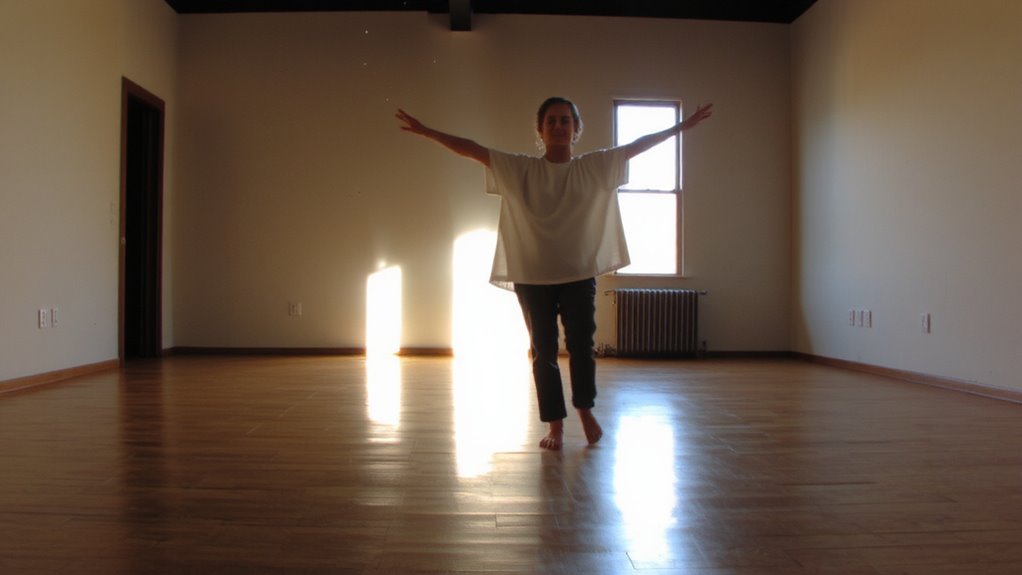
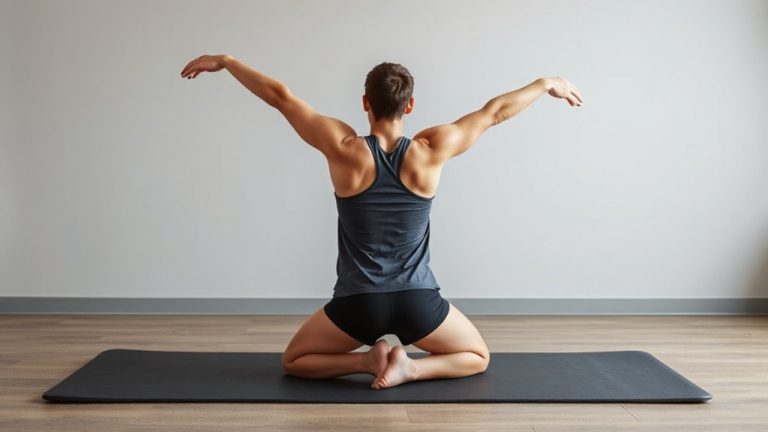
How do you begin turning everyday motion into a recovery practice? Start with solo exploration-set aside 10–15 minutes daily in a quiet space where you can move without distraction. Remove restrictive clothing and consider supportive, flexible fitness gear that won’t limit range of motion. Begin with simple gestures: rolling your shoulders, swaying your hips, or lifting your arms slowly. Tune into sensations without judgment. After each session, engage in movement journaling to record what felt strained, fluid, or surprising. This habit builds body awareness and tracks progress over time. You don’t need special equipment-just consistency and attention. Over weeks, you’ll notice improved joint mobility, reduced muscle tension, and greater mind-body connection. Slow movement isn’t about performance; it’s recovery grounded in presence. Your body learns to release stress not through force, but through sustained, gentle exploration.
Follow Your Body’s Cues: No Choreography Needed
A key principle in effective recovery practices is learning to trust your body’s innate wisdom, and slow-motion dance offers a powerful way to do just that-without needing steps, routines, or choreography. You don’t need special fitness gear; just enough space and clothing that allows ease of motion. This practice builds body awareness by tuning you into subtle shifts in tension, alignment, and energy. Movements emerge from an intuitive rhythm unique to each moment, letting you respond to fatigue, stiffness, or stress with precision. Unlike structured workouts, this approach prioritizes internal feedback over external goals, reducing strain while enhancing recovery. Performance isn’t measured in reps or speed, but in how attentively you mirror your body’s signals. Over time, this cultivates a sustainable recovery habit grounded in self-awareness rather than output. No choreography means no missteps-just presence, adaptability, and alignment with your body’s actual needs.
Breathe Into the Movement for Deeper Recovery
Though movement guides the body toward recovery, it’s your breath that deepens its effect-turning simple motions into restorative acts. When you breathe into each movement, you enhance somatic awareness, tuning into subtle shifts in tension, alignment, and effort. This isn’t just motion-it’s mindful engagement. Proper breath coordination guarantees oxygen reaches fatigued muscles efficiently, supporting metabolic recovery and reducing perceived soreness. Inhale to prepare, expand, and initiate; exhale to release, deepen, or complete a motion. You’re not performing-you’re listening. With each breath, you signal safety to the nervous system, which helps relax hypertonic muscles often overlooked in traditional recovery gear like foam rollers or compression wear. While those tools have value, they can’t replicate the internal feedback loop created by breath-guided movement. This method requires no equipment, just attention. Over time, breath integration amplifies recovery quality, making slow-motion dance not just a practice, but a sustainable recovery strategy grounded in physiological response.
Build a Daily Habit in Just 5 Minutes
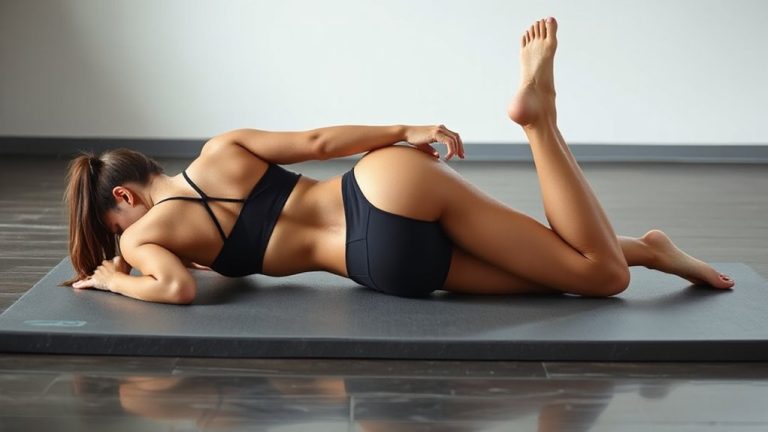
Five minutes a day is all it takes to build a sustainable recovery practice rooted in slow-motion dance. You don’t need specialized fitness gear-just enough space to move comfortably. Begin with gentle stretching to warm the muscles and invite subtle motion. This isn’t about intensity; it’s about consistency and body awareness. As you move slowly, pay attention to tension, alignment, and breath, allowing each gesture to unfold naturally. Over time, this brief daily ritual enhances neuromuscular coordination and supports joint health. Unlike high-effort workouts, this practice emphasizes listening rather than pushing, making it ideal for active recovery. Minimal time investment yields measurable improvements in mobility and mental focus. There’s no need for apps or equipment-your body is the only tool required. Done daily, these five minutes cultivate discipline without strain, integrating recovery seamlessly into even the busiest schedule.
On a final note
You’re using slow-motion dance rooted in authentic movement to support active recovery, and it works. This mindful practice downregulates your nervous system, reduces muscle tension, and improves body awareness without strain. Unlike high-tech fitness gear, it requires no equipment-just attention and breath. Five minutes daily yield measurable benefits in mobility and mental clarity. It’s low-cost, adaptable, and sustainable, making it a practical recovery tool backed by neurophysiological principles.