How Cold Water Immersion Affects Satellite Cell Activity Post-Exercise in Rehab
You might think cold water immersion helps recovery, but it can actually slow muscle repair by reducing satellite Directorate activity after exercise. These cells are essential for rebuilding and adapting muscle, especially during rehab. Cold soaks dampen inflammation-needed for repair signals-and may delay long-term gains. While soreness feels better, that doesn’t mean healing is improved. If you’re rebuilding strength, timing matters: wait several hours post-workout to avoid interference. There’s a smarter way to use cold therapy without sacrificing recovery.
Notable Insights
- Cold water immersion can suppress satellite cell activation by reducing post-exercise inflammation necessary for muscle repair signaling.
- Blunted inflammation from immediate cold exposure may delay satellite cell proliferation and muscle regeneration after training.
- Frequent immersion post-exercise may impair long-term muscle adaptation by interfering with satellite cell-mediated rebuilding.
- Reduced soreness from cold therapy does not indicate effective recovery and may mask incomplete regeneration.
- Delaying immersion by 4–6 hours post-exercise helps preserve satellite cell activity during rehabilitation and strength rebuilding phases.
What Are Satellite Cells and Why Do They Matter for Recovery?
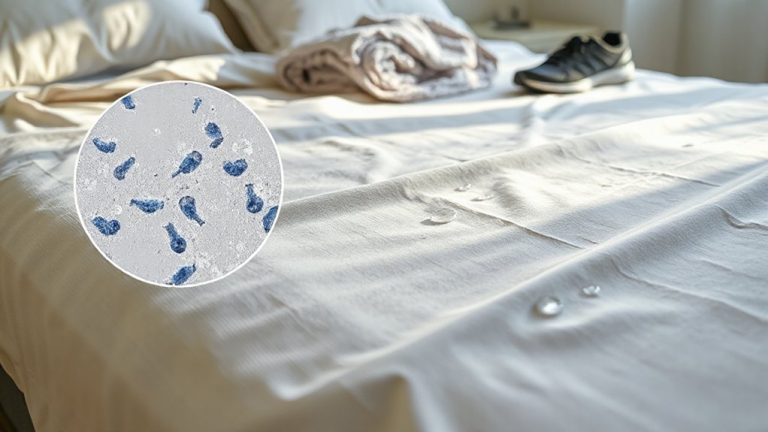
Think of satellite cells as the quiet repair crew waiting in the wings after a tough workout. They sit along muscle fibers, ready to activate when damage occurs. Once triggered, they multiply and donate nuclei to injured muscles, boosting regeneration. This process isn’t just about bouncing back-it’s the foundation of muscle memory and long-term cellular adaptation. You’re not just healing; you’re upgrading your muscle’s ability to respond to future strain. These cells help explain why consistent training leads to faster, more efficient gains over time. In rehab and fitness recovery, supporting satellite cell activity means optimizing conditions for this biological repair system. While tools like compression gear or foam rollers may aid circulation, they don’t replace the cellular work these units perform. Relying solely on passive recovery tools without understanding satellite cell demands can limit progress. True recovery hinges on recognizing their role in building stronger, more resilient muscle networks through smart, science-backed routines.
How Does Cold Water Affect Muscle Repair After Exercise?
Although cold water immersion is widely used to relieve post-exercise soreness, it may actually slow muscle repair by dampening satellite cell activity when applied immediately after intense training. You might think reducing muscle inflammation is always beneficial, but some inflammation is necessary to signal repair processes. Cold water immersion can blunt this signal, potentially delaying regeneration. By constricting blood vessels and numbing tissues, it offers quick symptom relief, yet this comes at the cost of ideal recovery timing. If you’re relying on frequent immersion, you could be disrupting the natural healing cascade your muscles need. While it may feel good and reduce soreness short-term, the trade-off isn’t trivial-especially during rehab or strength-building phases. For best results, timing matters: delaying cold exposure or using it selectively allows inflammation to do its job before managing discomfort.
Does Cold Water Immersion Reduce Satellite Cell Activity?
Why might your go-to ice bath after a tough workout be doing more harm than good when it comes to muscle recovery? Research suggests cold water immersion can suppress satellite cell activity, essential for muscle repair and growth. While it may reduce immediate soreness, the blunted muscle inflammation response hampers essential signaling for cellular adaptation. You’re likely cooling more than just surface discomfort-you’re dampening the biological processes that rebuild stronger tissue. Studies show athletes using cold immersion post-exercise exhibit lower satellite cell proliferation compared to passive recovery groups. Though convenient and popular in fitness gear circles, frequent icy dips could compromise long-term gains, especially in rehabilitation where rebuilding muscle is key. It’s not about avoiding cold therapy entirely, but timing and context matter. For ideal adaptation, especially post-injury, you might need to rethink how much you rely on that chilling recovery trend.
Does Less Soreness Mean Slower Muscle Regeneration?
Could that smooth, soreness-free morning after your workout actually signal a less effective recovery? When you use cold water immersion, reduced soreness might feel like progress, but it can mask your true muscle perception. Less discomfort doesn’t always mean better healing-it may just dull inflammation signals vital for satellite cell activation. Since satellite cells support muscle repair, numbing the response too soon could delay regeneration. Recovery timing matters: early soreness reduction might interfere with the body’s natural repair cascade, especially in rehab, where tissue rebuilding is key. You’re not just managing symptoms-you’re influencing cellular activity. So while cold therapy feels invigorating and fits neatly into high-tech recovery gear routines, it’s worth asking: are you supporting long-term strength or just short-term comfort? Balance symptom relief with biological effectiveness.
When Should You Use (or Avoid) Cold Plunges in Rehab?
While cold immersions have gained popularity for speeding recovery, timing their use in rehab requires careful consideration. Your rehab path depends on both timing considerations and injury specificity. Use cold immersions when managing acute inflammation-like post-surgery or shortly after a soft tissue injury. Avoid them during later recovery phases, especially when rebuilding strength, as they may interfere with muscle adaptation.
| Scenario | Recommended? |
|---|---|
| Acute inflammation phase | Yes, short-term |
| Chronic rehab or rebuilding | Limited use |
| Tendon healing phase | Avoid |
Cold water immersion can support recovery in targeted windows, but misapplication may delay long-term gains. You need clarity on your injury type and healing stage. For ideal outcomes, align cold immersions with clinical guidance and your rehab timeline-don’t rely on general fitness trends.
How to Use Cold Water Immersion Without Hindering Recovery
You’ve already seen when cold immersions fit into rehab, but now it’s time to get practical about using them effectively without slowing muscle gains. The key lies in timing considerations and water temperature. If your goal is recovery without compromising satellite cell activity, avoid immersion immediately after strength training-waiting 4 to 6 hours helps preserve muscle adaptation. Research suggests water temperature between 10–15°C (50–59°F) offers a balance: enough to reduce inflammation and soreness, but not so cold that it overly constricts blood flow or blunts anabolic signaling. Short durations-10 to 15 minutes-are sufficient. Used strategically, cold water immersion won’t derail hypertrophy, especially during high-volume rehab phases. Think of it as a tool, not a default. Used wrong, it hampers growth; used right, it enhances recovery without sacrificing long-term repair.
On a final note
You’re cooling down to ease soreness, but don’t assume cold water immersion always helps healing. Evidence suggests it may blunt satellite cell activity, potentially slowing muscle repair after intense exercise. While it reduces inflammation and feels invigorating, overusing cold dunks could hinder long-term adaptation. For rehab, timing matters-early use might ease pain, but prolonged reliance risks impairing regeneration. Balance relief with recovery: use cold therapy strategically, not routinely, especially when rebuilding strength demands cellular growth.