Using Sleep Extension Protocols to Accelerate Recovery in Overreached Athletes
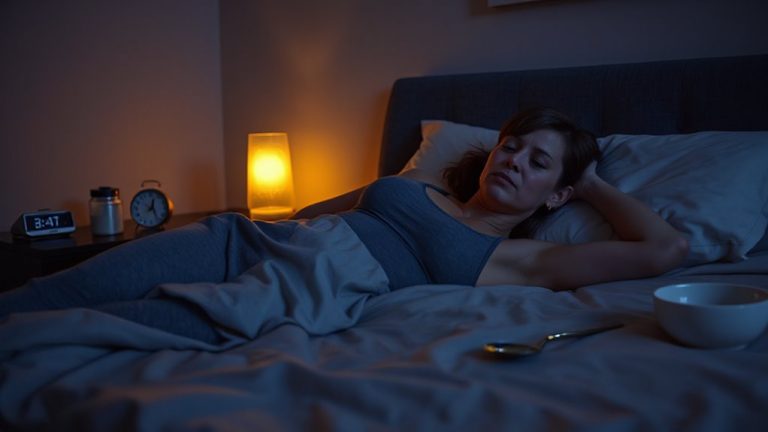
You can reverse overreaching in 2–3 weeks by extending sleep to 9–10 hours nightly. This protocol boosts recovery by restoring hormonal balance, lowering resting heart rate, and improving heart rate variability. Aim for 60–90 extra minutes of sleep, supported by solid sleep hygiene-consistent timing, reduced screen exposure, and ideal room temperature. Tracking with wearables helps monitor progress. Quality sleep isn’t passive; it’s active recovery, and what you do next could make it even more effective.
Notable Insights
- Sleep extension involves increasing nightly sleep to 9–10 hours to enhance recovery in overreached athletes.
- It actively reverses physiological strain by supporting neural repair, metabolic restoration, and hormonal balance.
- Key signs of overreaching-like fatigue, mood disturbances, and elevated resting heart rate-can be mitigated with extended sleep.
- Adding 60–90 minutes of sleep per night for 2–3 weeks improves physical performance and cognitive function.
- Combining sleep hygiene practices with tracking tools (e.g., HRV, wearables) optimizes recovery monitoring and outcomes.
What Is Sleep Extension, and Why Does It Help Overreached Athletes?
What if the key to accessing your peak athletic performance isn’t more training, but more sleep? Sleep extension means lengthening your nightly rest beyond habitual duration, typically to 9–10 hours, to boost recovery. For overreached athletes, this isn’t just rest-it’s repair. Improved sleep quality directly combats neural fatigue, allowing your central nervous system to reset. During extended sleep, growth hormone release increases, aiding muscle recovery and cognitive processing. Studies show athletes who extend sleep report sharper focus, faster reaction times, and reduced perceived exertion. Unlike passive recovery methods, sleep extension actively reverses physiological strain. Fitness recovery tools like recovery boots or cooling gear may support circulation, but they can’t replicate sleep’s holistic impact. Sleep quality surpasses quantity when it’s uninterrupted and deep, facilitating essential neural and metabolic restoration. You don’t just feel better-you perform better. Your regimen likely overlooks this cost-free, high-impact strategy. Prioritizing sleep extension is practical, evidence-based, and essential for sustained peak output.
Could Your Athlete Be Overreached? Key Signs to Watch For?
How do you know when relentless training crosses the line into overreaching? Watch for persistent performance dips and subtle physical warnings. Muscle fatigue that doesn’t ease after rest, irritability, and sluggish recovery are red flags. A hormonal imbalance may also surface-think disrupted cortisol or testosterone levels-impacting mood and adaptation. These signs suggest the body isn’t coping, not just tired from a tough week. Consider this table to assess key signals:
| Symptom | Frequency | Likely Cause |
|---|---|---|
| Prolonged muscle fatigue | Several days or more | Inadequate recovery |
| Mood disturbances | Regularly | Hormonal imbalance |
| Declined performance | Across workouts | Cumulative stress |
| Elevated resting HR | Morning measurements | Autonomic dysregulation |
Recognizing these patterns early helps prevent overtraining syndrome. Monitoring tools and consistent sleep routines support timely interventions.
How Much Extra Sleep Do Overreached Athletes Really Need?
You’ve likely noticed the warning signs-lingering fatigue, irritability, declining performance-especially if training loads have pushed hard without adequate recovery. When overreaching sets in, simply maintaining your usual sleep duration won’t cut it. Research suggests adding 60 to 90 minutes per night markedly accelerates the recovery timeline, helping restore both cognitive sharpness and physical output. This extended sleep duration supports hormonal balance, reduces inflammation, and improves mood-key factors in reversing overreaching. While individual needs vary, most overreached athletes benefit from prioritizing 9 to 10 hours in bed nightly for at least two to three weeks. It’s not just about quantity-sleep quality matters just as much. Tracking sleep patterns can reveal gaps in restorative phases, guiding adjustments. You’re not just catching up-you’re actively rebuilding resilience. This targeted approach enhances adaptation, making sleep extension a practical, evidence-backed recovery strategy worth adopting.
How Can Athletes Actually Get More Sleep?
Why does something as straightforward as getting more sleep feel so out of reach, even when recovery depends on it? You’re juggling training, travel, and daily life, making consistent rest a challenge. The solution starts with sleep hygiene-controlling light, noise, and screen exposure before bed. You’ll need more than willpower; structure matters. Establishing bedtime routines signals your body it’s time to wind down. Try reading, light stretching, or cooling your room to around 65°F. These aren’t minor details-they’re proven elements that improve sleep onset and quality. Consistency, even on weekends, stabilizes your circadian rhythm. While recovery gear like weighted blankets or smart mattresses can help, they’re no substitute for disciplined habits. You don’t need expensive tech to start. Focus first on routine and environment. Strong sleep hygiene and reliable bedtime routines are your most effective tools for real, lasting sleep extension. Selecting a supportive mattress can also play a critical role, especially for athletes dealing with back pain, and choosing the right one may depend on your sleeping position-side and stomach sleepers should consider options that provide balanced support, such as those highlighted in reviews of the best mattresses for side and stomach sleepers.
How to Measure Better Recovery From More Sleep
Improving your sleep is only part of the equation-knowing whether that extra rest is actually enhancing recovery matters just as much. You can use sleep tracking devices to monitor duration, sleep stages, and consistency, giving you objective data on rest quality. When combined with recovery metrics-like heart rate variability (HRV), resting heart rate, and subjective wellness scores-you start seeing patterns that reveal true physiological adaptation. Wearables from brands like Whoop or Garmin offer valid sleep tracking and integrate seamlessly with apps that log recovery metrics daily. Over time, if you’re sleeping more and seeing improved HRV, lower resting heart rate, and better reported energy, that’s strong evidence your body is recovering. These tools aren’t perfect, but used together, they provide actionable insights. Ignoring them means guessing at recovery. Smart sleep extension paired with precise monitoring turns intuition into strategy.
On a final note
You’ll recover faster by extending sleep strategically, especially if overreached. Adding even 60–90 minutes nightly supports hormone regulation, reduces inflammation, and improves neuromuscular function. Wearable trackers can verify sleep quality and duration, while subjective metrics like perceived exertion and mood offer practical feedback. Though recovery gear like compression devices helps, nothing replaces consistent, high-quality sleep. Prioritizing it isn’t passive-it’s a targeted intervention that enhances both adaptation and performance sustainably.