How to Release Plantar Fascia Tension With a Tennis Ball for Foot Flexibility
You can release plantar fascia tension by rolling a tennis ball under your bare foot on a hard floor, using slow, controlled movements from heel to toes. Focus on the arch and pause on tight spots to improve flexibility and reduce stiffness. This method applies effective pressure to loosen tissue, boost circulation, and ease heel pain-especially when done morning and night. Consistency enhances results, and smart technique prevents strain. You’ll find even more ways to maximize relief and long-term foot health just ahead.
Notable Insights
- Place a tennis ball under your bare foot and roll it slowly from heel to ball on a hard surface.
- Focus on tight areas like the arch, pausing briefly to release tension in the plantar fascia.
- Use controlled, moderate pressure-avoid heavy force to prevent irritation.
- Roll for 2–3 minutes per foot, ideally in the morning to ease overnight stiffness.
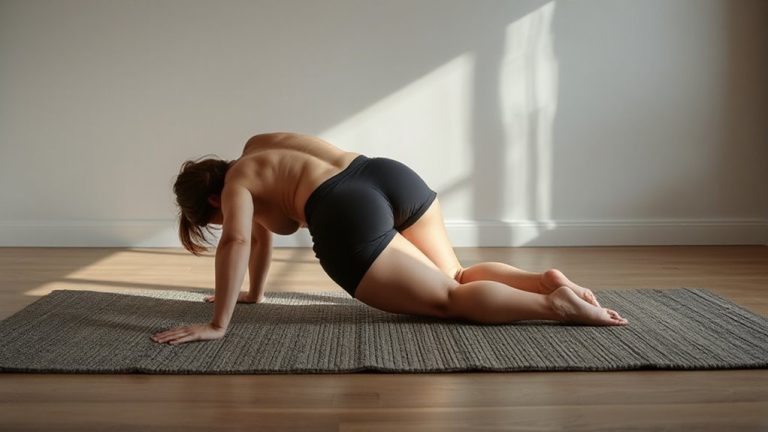
- Pair daily rolling with stretches like towel curls and downward dog for best results.
Why a Tight Plantar Fascia Causes Heel Pain
While you might not think much about the arch of your foot, a tight plantar fascia can quickly turn every step into a sharp reminder of its presence. When this thick band of tissue becomes overstretched or overused, it creates biomechanical stress that pulls at its heel attachment, often leading to microtears. Your body responds with an inflammation response, causing swelling, stiffness, and pain-especially with morning steps or after prolonged activity. You’re not just feeling discomfort; you’re experiencing the cumulative effect of repetitive strain and impaired recovery. This condition doesn’t just fade on its own, particularly if you continue placing demands on your feet without addressing the root tension. Ignoring it can compromise your movement efficiency and increase injury risk elsewhere. Proper recovery isn’t optional-it’s a core component of fitness longevity, and using targeted tools helps manage stress before it escalates.
How a Tennis Ball Relieves Foot Tension
A simple tennis ball becomes a surprisingly effective recovery tool when it comes to easing tension in your plantar fascia. By applying controlled pressure, it targets tight tissue along the sole, working with your foot anatomy to release strain where it’s needed most. The ball’s firm yet slightly yielding surface encourages gradual muscle activation in the intrinsic foot muscles, helping restore natural support. Unlike rigid rollers, a tennis ball conforms subtly underfoot, allowing precise feedback and adjustment during use. It’s lightweight, portable, and requires no setup-just roll it under your arch to initiate release. Though basic in design, its performance aligns well with functional recovery principles. Regular use can improve flexibility and reduce stiffness, making it a practical addition to daily foot care. When paired with proper form, it delivers consistent, measurable relief.
Roll Your Foot With a Tennis Ball: Step by Step
Get started by placing a tennis ball on the floor and stepping onto it with bare feet, letting it settle under your arch. Apply gentle pressure and begin the rolling technique, moving the ball from your heel to the ball of your foot. Focus on areas where tension builds, especially along the foot arch. Use slow, controlled motions-this isn’t about speed but deliberate release. Below is a mental image of how to interpret pressure and position:
| Body Position | Sensation Goal |
|---|---|
| Standing upright | Stable, balanced weight |
| Slight knee bend | Deeper arch engagement |
| Smooth roll forward | Even pressure across |
| Pause on tight spot | Targeted tension relief |
A consistent rolling technique improves foot flexibility over time, making it a practical recovery tool. The tennis ball’s firmness offers reliable feedback, allowing precise self-massage without extra gear. For those seeking more advanced options, consider exploring best foot massagers as a complementary solution for ultimate relaxation.
Do This When Pain Flares: Morning vs. Night Rolling
Why does plantar fascia pain feel worse in the morning, and how can your rolling routine make a difference? Overnight, your foot’s connective tissue shortens and stiffens, making those first steps especially painful. That’s why morning relief is essential-rolling for 5–7 minutes upon waking eases tension and improves circulation before you bear weight. The tennis ball gently stretches the fascia, reducing microtears and discomfort. For long-term results, don’t skip nighttime recovery. Rolling before bed helps release daily stress, encourages blood flow during rest, and maintains tissue elasticity. Combining both sessions maximizes recovery and prevents flare-ups. While morning rolling targets acute tightness, evening sessions support gradual healing. Consistent timing enhances effectiveness, making the routine more than just symptom relief-it’s preventive care. Using a standard tennis ball is affordable and accessible, though firmer massage balls can intensify the work if needed. Stick to both morning and night for best outcomes.
Avoid These Common Foot Rolling Mistakes
Isn’t it frustrating when a simple fix like rolling your foot doesn’t bring the relief you expected? Many people unknowingly make mistakes that reduce effectiveness or worsen discomfort. Applying improper pressure-either too light or too intense-limits benefits and may irritate soft tissues. Likewise, using a wrong surface, like carpet or a sofa, reduces control and stability, making the session less effective. For best results, use a firm, flat floor and regulate pressure gradually.
| Mistake | Better Choice |
|---|---|
| Heavy pressure | Moderate, controlled force |
| Rolling on carpet | Hard, even surface |
| Rushing sessions | 2–3 minutes per foot, slowly |
Choose consistent, mindful rolling over speed or force. Proper technique matters as much as the tool.
Pair Tennis Ball Rolling With These 3 Stretches
What if you could amplify the benefits of your tennis ball foot rolling by pairing it with targeted stretches? You can-by combining self-massage with moves that boost calf mobility and arch strength. Start with a downward dog stretch to lengthen tight calves, holding 30 seconds per side; this enhances calf mobility essential for reducing pull on the plantar fascia. Follow with a towel stretch: sit, loop a towel around your foot, and gently pull toes toward you to deepen arch flexibility. Finish with toe curls on a towel-scrunch it using only your toes-to actively build arch strength. Together, these stretches complement the tennis ball’s release, addressing both soft-tissue tension and muscular support. Used consistently, this combo improves foot function, promotes recovery, and offers a practical, low-cost approach to foot health. It’s recovery gear that fits any routine-simple, effective, and backed by biomechanics.
When to See a Doctor for Persistent Heel Pain
While home remedies like tennis ball rolling and stretching often ease mild heel discomfort, you should see a doctor if your pain persists beyond a few weeks or worsens despite consistent self-care. Sharp or lingering heel pain could signal plantar fasciitis or another underlying condition needing expert attention. If you’re experiencing chronic discomfort that interferes with daily movement or sleep, a medical evaluation becomes essential. Left untreated, minor strain may progress into long-term issues requiring more intensive treatment. Imaging tests, physical assessment, and gait analysis during the evaluation help pinpoint the cause and tailor recovery. Don’t rely solely on fitness gear or self-guided recovery when progress stalls. While foam rollers and massage balls support flexibility, they’re not substitutes for clinical diagnosis. Persistent symptoms demand professional insight to prevent complications and guarantee proper healing. Early intervention improves outcomes and keeps you active safely.
On a final note
You’ll find that rolling your foot over a tennis ball effectively eases plantar fascia tension, especially when done consistently. It’s a simple, low-cost recovery method backed by practical results. While not a standalone fix, paired with stretches, it supports foot flexibility and pain reduction. The tennis ball works well, though firm rubber or specialized foam rollers may offer more targeted pressure. Maintenance and regular use matter most-over time, you’ll likely notice improved mobility and reduced morning heel pain.