Cold and Heat Alternation Protocols in Shoulder Tendonitis Treatment: Enhancing Muscle Health
You’ll heal faster by starting with cold therapy to cut inflammation, then switching to heat after 45 minutes to boost blood flow and repair tissue. This alternating cycle helps flush toxins and nourish tendons, especially when you apply cold for 15–20 minutes post-activity and heat before movement. Avoid common errors like using heat too soon or over-icing, which can slow recovery-get the timing right, and you’ll see better results with less stiffness and pain. There’s more to optimizing your routine just ahead.
Notable Insights
- Alternate cold and heat therapy to reduce inflammation and boost blood flow for shoulder tendon healing.
- Start with 15–20 minutes of cold therapy to minimize swelling during acute tendonitis flare-ups.
- Wait at least 45 minutes after cold therapy before applying heat to avoid increased inflammation.
- Use heat for 15–20 minutes to relax tissues and enhance circulation before shoulder movement or activity.
- Apply cold post-activity and heat in the morning to support recovery and improve muscle function.
What Causes Shoulder Tendonitis? (And Why Cold and Heat Help)
Why does shoulder tendonitis strike when it does? It often comes down to your shoulder’s anatomical structure-it’s complex and built for mobility, not brute strength. That makes it vulnerable. When you repeatedly perform overhead motions-like swimming, lifting, or throwing-you place repetitive strain on the tendons, especially the rotator cuff. Over time, microtears develop, inflammation follows, and tendonitis sets in. You might not feel it at first, but eventually, pain flares with movement or at rest. This isn’t just wear and tear; it’s your body signaling imbalance. Fitness recovery isn’t passive-tools like cold and heat support healing by targeting inflammation and circulation. While braces or sleeves may offer stability, they don’t fix poor mechanics. The real fix? Respect your limits, optimize movement, and let recovery protocols do their job. For consistent heat application, a high-quality heat pack can help relax tight muscles and enhance blood flow.
How Cold and Heat Speed Up Shoulder Healing
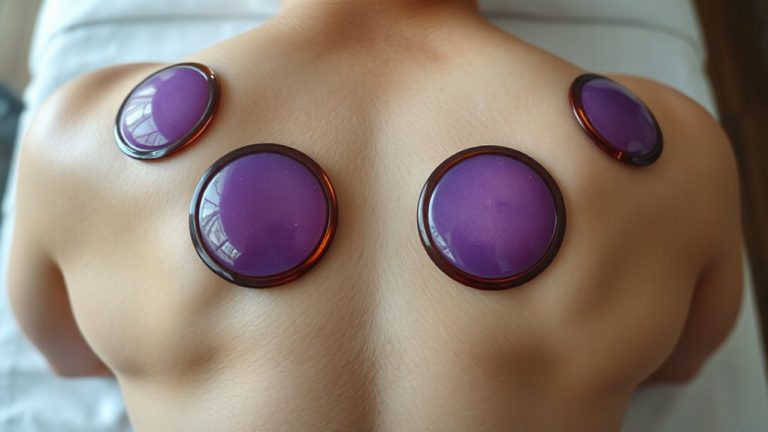
Cold and heat therapy isn’t just about symptom relief-they’re active tools that shape the healing timeline when you’re dealing with shoulder tendonitis. When you apply cold therapy, you’re directly aiding inflammation reduction by constricting blood vessels and limiting fluid buildup in the damaged tissue. This calms the irritated tendon and reduces pain during flare-ups. Then, when you switch to heat, you trigger blood flow stimulation, delivering oxygen and nutrients essential for tissue repair. The alternating effect creates a sort of “pumping” action in the area, helping flush out metabolic waste while accelerating cellular recovery. Fitness recovery isn’t just about rest-smart use of thermal therapy enhances physiological function. High-quality cold packs and moist heat wraps make this practical at home, integrating seamlessly into daily recovery routines and supporting long-term shoulder health. For optimal results, consider using a best heating pad designed for deep, consistent heat delivery.
How to Alternate Cold and Heat for Shoulder Pain
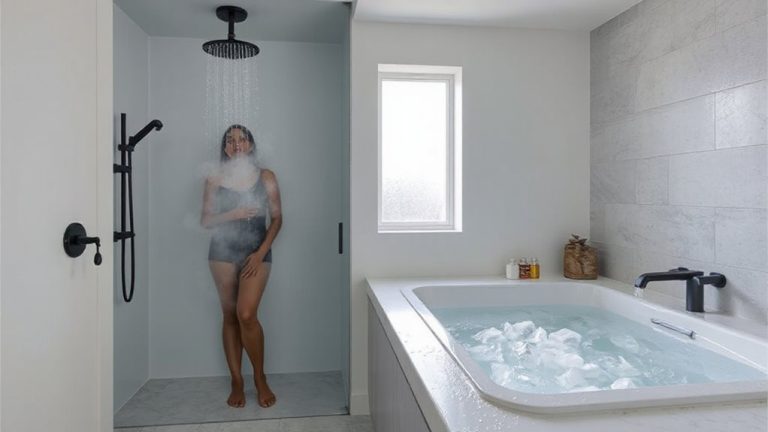
While managing shoulder pain from tendonitis, alternating cold and heat can be far more effective than using either treatment alone-provided you follow a proper sequence and timing. Start with cold therapy to reduce inflammation; this initial ice timing should last 15–20 minutes to constrict blood vessels and calm acute discomfort. Wait at least 45 minutes before introducing heat. Then, begin heat cycling using a warm compress or heating pad for 15–20 minutes to relax tight tissues and improve circulation. This shift from cold to heat helps flush out metabolic waste while delivering oxygen-rich blood. Never apply heat first during flare-ups-it can worsen swelling. The effectiveness of this protocol hinges on correct sequencing and consistent application. Though simple, the method leverages physiological responses smartly, making it a reliable part of fitness recovery routines when paired with proper rest and movement.
How Long and How Often to Use Cold and Heat
When managing shoulder tendonitis, getting the timing and frequency right can make a noticeable difference in recovery speed and comfort. For cold therapy, aim for 15 to 20 minutes at a time, as longer durations risk tissue irritation or nerve damage. Heat works best in 20-minute sessions, allowing deep tissue warming without overloading circulation. The ideal frequency is every 2 to 3 hours during acute flare-ups, tapering as symptoms improve. Proper application timing enhances blood flow regulation-cold reduces inflammation post-activity, while heat prepares muscles before movement. Balancing duration and frequency prevents overuse and supports sustained healing. You’ll likely see better results when aligning therapy with daily activity patterns, such as using cold after exercise and heat in the morning. Consistent, measured use optimizes recovery without straining soft tissues. Trust the process, and let application timing guide your routine.
Common Mistakes to Avoid With Cold and Heat Therapy
If you’re not careful, improper use of cold and heat therapy can slow your recovery or even worsen shoulder tendonitis, despite having the right gear and intentions. Applying heat too soon after activity can increase inflammation, especially if you’ve already stressed the area-common in an overuse injury. Similarly, overdoing cold therapy can restrict blood flow excessively, limiting healing. You might unknowingly aggravate symptoms if poor posture keeps shoulder muscles tense during treatment. Don’t rely solely on thermal therapy while maintaining habits that strain the joint. Using worn-out gel packs or electric heating pads with uneven temperature distribution reduces effectiveness and risks skin irritation. Always check device specifications for safe duration and temperature ranges. Timing and positioning matter-apply cold post-activity, heat before stretching, and always support neutral alignment. Avoid shortcuts; consistency with proper form yields better long-term outcomes than frequent, incorrect use.
When to Add Other Treatments to Cold and Heat
Though cold and heat therapy can effectively manage pain and support recovery in shoulder tendonitis, you’ll likely need to incorporate additional treatments when progress plateaus or symptoms persist beyond a few weeks. That’s when ultrasound therapy can help-its deep heat promotes tissue repair and increases blood flow, speeding up healing in stubborn cases. Electrical stimulation, or e-stim, is another valuable addition; it reduces pain by interrupting nerve signals and can prevent muscle atrophy by triggering contractions. When combined with thermal treatments, these modalities enhance recovery more than temperature changes alone. You should consider them if your range of motion isn’t improving or discomfort lingers during daily activities. Using them under a physical therapist’s guidance guarantees proper dosage and placement. Integrating tools like e-stim units or therapeutic ultrasound devices into your recovery plan offers measurable benefits, especially when standard protocols no longer deliver results.
On a final note
You’ll find cold and heat therapy effective for shoulder tendonitis when used correctly. Alternating them reduces inflammation, boosts circulation, and supports tissue repair. Stick to 15–20 minute intervals, never apply extreme temperatures directly to skin, and always allow skin to return to baseline. While simple, this method works best alongside stretching, proper posture, and quality recovery gear like adjustable ice wraps or thermal packs designed for joint contours.