Electrical Muscle Stimulation Programs Tailored According to Your Fitness Goals and Needs
You can tailor electrical muscle stimulation (EMS) to your fitness goals by adjusting frequency, intensity, and pulse duration. Whether building strength, boosting endurance, or speeding recovery, targeted EMS activates muscle fibers efficiently. It enhances neuromuscular performance without joint strain, fits into busy schedules, and complements training when used smartly-avoiding overuse guarantees long-term gains. Specific programs match your body’s needs, revealing how personalized EMS can transform results.
Notable Insights
- Customize EMS frequency and intensity to target strength, endurance, or recovery based on individual fitness objectives.
- Use low-frequency EMS (4–10 Hz) to enhance recovery by increasing blood flow and reducing muscle soreness post-exercise.
- Apply high-intensity, multi-muscle EMS settings (80–120 Hz) for pain relief with short pulses to support active recovery.
- Program EMS sessions 2–3 times weekly at 20–50 Hz to boost endurance by stimulating slow-twitch muscle fibers.
- Rotate EMS programs and limit sessions per muscle group to prevent overuse and maintain neuromuscular effectiveness.
What Is EMS and How Can It Help Your Fitness?
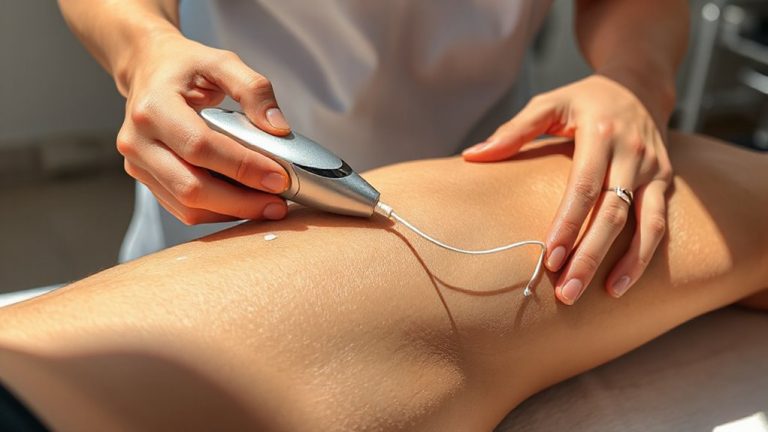
While you might associate muscle activation solely with physical effort, electrical muscle stimulation (EMS) offers a way to engage muscle fibers using low-level electrical currents delivered through a wearable device. This technology relies on nerve stimulation to trigger contractions, mimicking the natural signals sent by your brain during exercise. You experience active muscle engagement even while resting, which can support recovery and enhance neuromuscular efficiency. EMS isn’t a substitute for movement, but it’s a practical addition to fitness gear that complements training. Devices vary in electrode placement, intensity control, and program duration, affecting performance and comfort. When used correctly, they show measurable benefits in muscle activation patterns. Though results depend on consistency and proper fit, many users find EMS helpful for maintaining tone during low-impact periods. It’s a credible tool-not magic, but grounded in physiological response-suited for those seeking subtle, science-backed advantages in their fitness routine. For home users, best EMS devices offer targeted programs that align with specific fitness goals.
Build Strength With Targeted EMS Programs
Strength isn’t built overnight, but with targeted EMS programs, you’re not limited to traditional reps and weights to make progress. These programs use controlled electrical impulses to boost muscle activation far beyond what typical exercise achieves, especially in deep, stabilizing fibers often underused during standard training. You’ll notice quicker strength progression because EMS simultaneously engages multiple muscle groups with high intensity, even when you’re not moving. Devices with adjustable frequency and pulse duration let you customize intensity, focusing on hypertrophy or endurance depending on your goals. While results vary, consistent use-paired with active training-shows measurable gains in force output and fatigue resistance. It’s not magic, but it is efficient. Just guarantee proper electrode placement and hydration to maintain effectiveness. With time, targeted EMS becomes a reliable tool in building functional strength. For optimal results, consider using one of the top-rated muscle stimulators recommended for their performance and reliability.
Speed Up Recovery Using Custom EMS Settings
Since not all recovery is the same, custom EMS settings let you match electrical stimulation to your body’s specific needs after intense workouts. You can optimize muscle regeneration and achieve noticeable pain reduction by adjusting frequency, intensity, and pulse duration. Low-frequency modes increase blood flow to fatigued muscles, speeding up recovery, while medium settings help restore neuromuscular function. For targeted relief, higher frequencies with shorter bursts reduce soreness without overloading tissues. Many top EMS machines for home use offer these customizable programs to support effective, on-demand recovery.
| Recovery Goal | Recommended EMS Setting |
|---|---|
| General soreness | 4–10 Hz, low intensity |
| Muscle regeneration | 10–30 Hz, moderate intensity |
| Pain reduction | 80–120 Hz, short pulse duration |
| Fatigue recovery | 15–25 Hz, rhythmic pattern |
These tailored programs enhance recovery efficiency when used consistently, making EMS a valuable tool in modern fitness routines.
Boost Endurance With EMS for Active Athletes
How do elite athletes push their limits without burning out? They use EMS to boost endurance through targeted muscle adaptation. You’re not just building strength-you’re enhancing aerobic capacity by stimulating slow-twitch fibers critical for sustained performance. Studies show consistent EMS training increases capillary density and mitochondrial efficiency, both key to delaying fatigue. Think of it as supplemental conditioning that complements your runs, rides, or swims without adding joint strain. The tech delivers controlled impulses at frequencies tuned to endurance protocols, typically between 20–50 Hz, promoting oxidative muscle development. When used 2–3 times weekly, you’ll notice better stamina and quicker recovery between intervals. While it won’t replace cardio, EMS accelerates aerobic gains when traditional training plateaus. For active athletes, this means smarter adaptation with measurable results-especially during intense seasons. It’s not magic; it’s science working in your favor.
Customize EMS for Your Busy Lifestyle
You’ve seen how elite athletes use EMS to boost endurance by targeting slow-twitch muscle fibers and improving aerobic efficiency, but what makes the tech truly valuable for most people is its adaptability to real-world schedules. With just 20-minute sessions, EMS offers serious time efficiency, fitting into early mornings, lunch breaks, or evenings without disrupting your day. You don’t need a gym membership or lengthy commute-just a quiet space and your portable EMS device. The schedule flexibility means you can train consistently, even with shift work or frequent travel. Modern units sync with apps that guide sessions based on availability, helping you stay on track without overplanning. Unlike traditional workouts that demand hours weekly, EMS maximizes results per minute, ideal for professionals, parents, or anyone time-crunched. The gear is lightweight, low-maintenance, and built for daily integration, making effective fitness a seamless part of your routine.
Avoid Overuse: Smart Ways to Use EMS Long Term
Often, users see impressive results early with EMS and are tempted to ramp up frequency hoping for faster gains, but pushing too hard can lead to overuse and diminished returns. Overtraining stresses your neuromuscular system, increasing risks of muscle fatigue and even nerve damage. For long-term success, balance intensity with recovery. Allow at least 48 hours between sessions targeting the same muscle group, and monitor how your body responds.
| Risk | Recommended Action |
|---|---|
| Muscle fatigue | Limit sessions to 2–3 times weekly per muscle group |
| Nerve irritation | Use lower intensities; avoid prolonged stimulation |
| Overuse injury | Schedule rest days and vary muscle focus |
| Reduced efficacy | Rotate programs to prevent adaptation |
Quality recovery enhances adaptation, letting your nervous system and muscles rebuild stronger. Smart, consistent use beats frequent, intense sessions that compromise long-term gains.
On a final note
You’re getting more from your workouts when you use EMS smartly. These programs boost recovery by stimulating muscle fibers with precise electrical impulses, reducing soreness and downtime. For fitness gear, EMS isn’t a shortcut-but paired with training, it enhances strength, endurance, and rehab. Used correctly, it’s efficient and effective. Overuse risks fatigue or imbalance, so follow guided routines. Customization fits busy schedules, making recovery consistent and measurable.