Addressing Athletic Identity Loss After Career-Disrupting Injuries
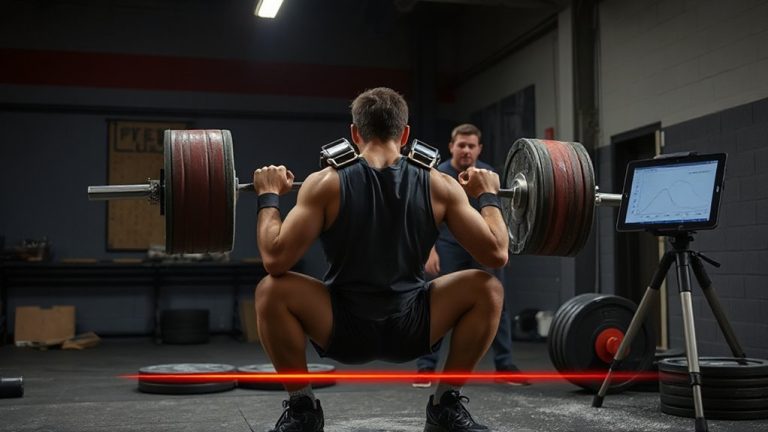
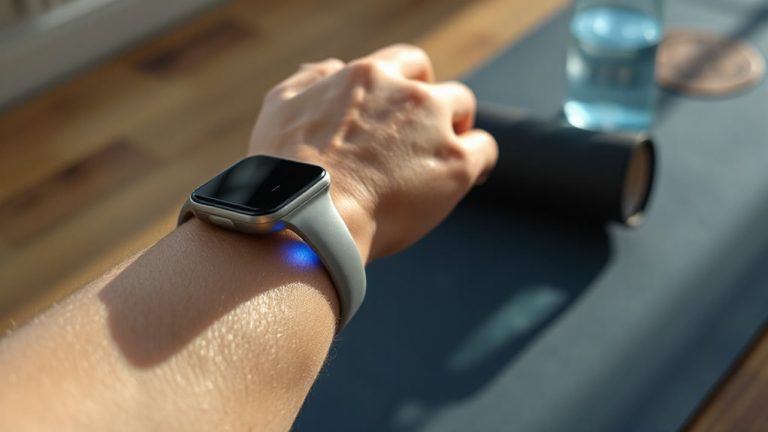
You’ve built your identity around discipline, performance, and the grind-gear like GPS trackers and compression wear aren’t just tools, they’re symbols of who you are. When injury strikes, that identity cracks, leaving confusion and emotional numbness in its wake. Losing your athletic role doesn’t erase your resilience or work ethic; it challenges you to redirect them. Healing means rebuilding self-worth beyond stats and redefining purpose-your strength isn’t gone, it’s evolving. There’s a path forward, and it starts with recognizing what you still carry.
Notable Insights
- Athletic identity loss after injury disrupts self-worth, requiring intentional psychological rebuilding alongside physical recovery.
- Emotional isolation and purposelessness often follow when sport-defined roles are stripped away unexpectedly.
- Recognizing signs like social withdrawal, apathy toward fitness, and avoidance of sport cues aids early intervention.
- Transferable strengths such as discipline, resilience, and focus can anchor identity reconstruction in new roles.
- Successful transition involves redefining success, embracing growth, and pursuing new challenges beyond athletic achievement.
What Is Athletic Identity: and Why It Hurts When It’s Gone

Identity-especially athletic identity-shapes how you see yourself, often becoming the lens through which you interpret effort, value, and self-worth. When you’ve poured years into training, competition, and physical excellence, that identity becomes deeply embedded. Identity fusion occurs when your sense of self merges so completely with being an athlete that other roles feel secondary. It’s not just what you do-it’s who you believe you are. That’s why injuries or retirement can trigger purpose disruption, leaving you unmoored and questioning your relevance. The gear you once relied on-precision-engineered shoes, recovery compression devices, GPS trackers-now sits unused, a reminder of lost routine and function. These tools supported performance, but more importantly, they reinforced identity. Their absence mirrors the void. Without them, and without movement, you’re forced to reconstruct selfhood. Acknowledging this emotional and functional loss is essential to beginning recovery-not just of the body, but of purpose.
How Injury Causes Athletic Identity Crisis
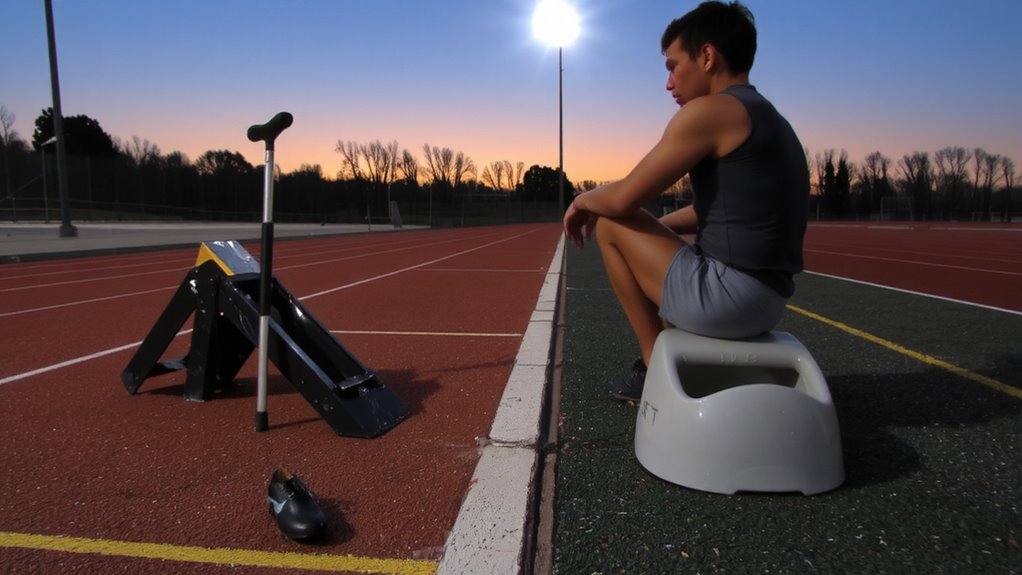
When an injury sidelines you, the immediate physical limitations are just the beginning-what follows is often a deeper unraveling tied to who you believe yourself to be. Suddenly, your daily routine, purpose, and social connections-built around training and competition-vanish. This sudden shift triggers identity disruption, as your self-worth becomes untethered from the role you once defined yourself by. You’re no longer just healing a ligament or bone; you’re grappling with emotional isolation, feeling disconnected from teammates, coaches, and even friends who don’t understand your internal struggle. The absence of performance milestones deepens the crisis, leaving you questioning your value beyond the field. This isn’t just physical recovery-it’s psychological reconstruction. Without structured support, identity disruption can stall healing, making emotional and mental health care as critical as rehabilitation exercises in restoring a sense of self.
7 Signs You’re Losing Your Sense of Self
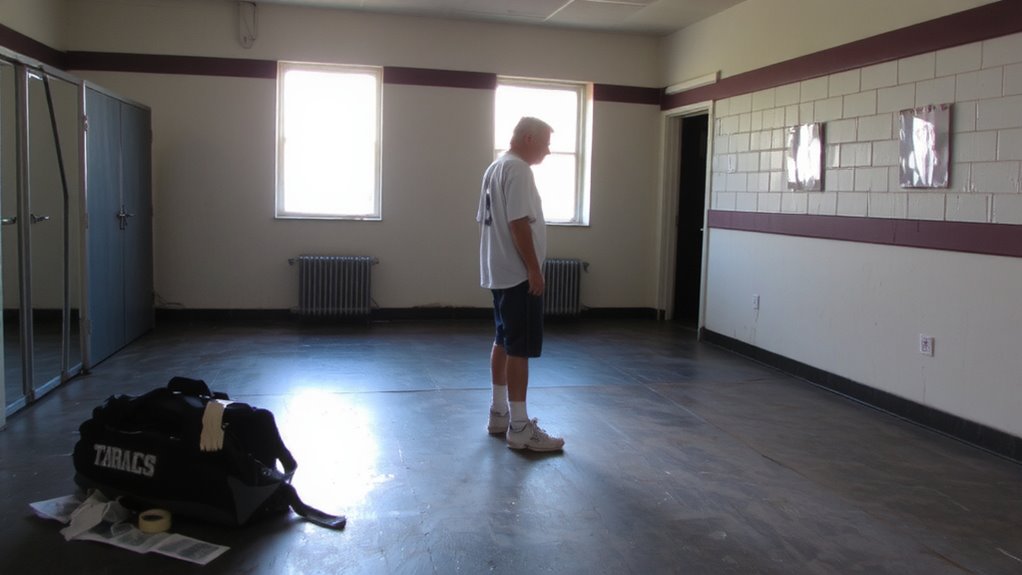
How do you know when the person you once recognized in the mirror starts to fade? It’s not always dramatic-sometimes it’s subtle, like emotional numbness creeping in after your last game, or choosing to skip team dinners you once loved. You might not notice at first, but social withdrawal becomes routine. Your gear sits untouched, not because it’s broken, but because using it no longer feels meaningful. These aren’t just bad days-they’re signs your athletic identity is unravelling.
| Common Sign | What It Might Mean |
|---|---|
| Stopping communication with teammates | Social withdrawal deepening |
| Feeling empty during training time | Emotional numbness setting in |
| Ignoring fitness goals | Loss of purpose |
| Avoiding sport-related conversations | Identity distancing |
| No motivation to rehab | Disconnection from self |
How to Rebuild Self-Worth After Injury
A sudden shift in routine following injury can leave you questioning who you are beyond the jersey, the finish line, or the weight room. Rebuilding self-worth isn’t about returning to what you were-it’s about cultivating personal growth through new challenges and reflection. Emotional resilience develops when you allow yourself to grieve the loss while actively seeking purpose outside performance. You’re not diminished; you’re evolving. Acknowledge your strengths: discipline, perseverance, focus-qualities that apply far beyond sport. Recovery tools like foam rollers or compression garments support healing, but they’re most effective when paired with mental strategies-journaling, therapy, goal-setting. Your worth isn’t tied to a record time or max lift; it’s built through consistency and self-compassion. True strength includes adaptability, the quiet courage to redefine success, and the commitment to honor your journey-not just your results.
5 Ways to Build a Life Beyond Sport
You’ve already started untangling your worth from the scoreboard, recognizing that discipline and resilience didn’t vanish with your last race or game-they’re still part of you, just redirected. Now’s the time to channel that focus into career shifts and personal passions. Many former athletes pivot into coaching, sports management, or fitness-related entrepreneurship, where their firsthand experience adds credibility. Others discover untapped interests-art, writing, tech-that thrive with the same dedication once given to training. Exploring these paths isn’t about replacement; it’s about expansion. Programs supporting athletic identity shifts often emphasize skill translation, helping you frame perseverance and goal-setting as assets. Personal passions, when nurtured consistently, evolve into meaningful roles. Career shifts succeed best when aligned with both practical strengths and genuine interest. This phase isn’t downtime-it’s recalibration. You’re not losing identity; you’re building a broader one, grounded in growth, adaptability, and purpose beyond the field.
When and How to Get Mental Health Support
When does persistent unease cross the line into something that needs more than self-help strategies? When mood shifts disrupt daily routines or healing progress, it’s time to reflect on professional help. You’re not weak for struggling-you’re human. Early support timing can prevent emotional setbacks from deepening, especially during physical recovery. Ignoring signs like prolonged sadness, sleep issues, or social withdrawal might slow your overall healing. Counseling options like cognitive behavioral therapy or sport psychology specialists offer tools tailored to identity shift. Telehealth, group sessions, or private practices provide flexible access. Don’t wait until you’re overwhelmed-seeking help early strengthens resilience. These services complement medical rehab, addressing emotional and mental blocks as seriously as physical ones. With the right support, you rebuild not just function, but confidence. Mental health care isn’t optional; it’s essential in holistic recovery.
On a final note
You’ve trained hard, trusted your body, and built an identity around performance-until injury disrupts it all. Losing that athletic self can be devastating, but recovery isn’t just physical. Rebuilding requires redefining worth beyond sport, embracing mental resilience, and sometimes seeking support. Fitness recovery isn’t only about rehab gear or strength metrics; it’s about adaptability, identity integration, and long-term well-being grounded in self-awareness and practical, sustained effort.