How Wearable Cortisol Monitoring Devices Track Stress Recovery Between Training Sessions
Your wearable cortisol monitor tracks stress recovery between workouts by analyzing sweat-based cortisol levels in real time, giving you a direct look at nervous system strain. Using microfluidic sensors and biometric integration, it detects spikes linked to overtraining, poor sleep, or accumulated fatigue. This helps you adjust training intensity, improve recovery habits, and avoid performance plateaus-offering smarter insights than heart rate alone. You’ll soon see how pairing this data with lifestyle changes boosts long-term results.
Notable Insights
- Wearable cortisol devices use microfluidic sensors to analyze sweat and detect real-time cortisol levels between training sessions.
- Continuous cortisol monitoring reveals how the body recovers by tracking hormonal stress responses during rest periods.
- Integrated biometrics like heart rate variability and skin temperature provide context for cortisol-driven recovery insights.
- Devices sync with apps to display trends, helping athletes identify incomplete recovery over time.
- Elevated or rising cortisol between sessions indicates insufficient recovery, signaling the need for rest or load adjustment.
Why Athletes Need Wearable Cortisol Monitoring
Why hasn’t your recovery caught up with your training regimen yet? Chances are, you’re overlooking your hormone balance-especially cortisol, the stress hormone that directly impacts athlete performance. Without real-time insights, it’s easy to overtrain, tipping your body into chronic stress instead of adaptation. Wearable cortisol monitoring helps bridge that gap by revealing how your nervous system responds between sessions. These devices don’t just track stress-they guide smarter recovery, letting you adjust sleep, nutrition, and training loads with precision. When cortisol stays elevated, recovery lags and performance plateaus. But with consistent data, you gain control, aligning your physiological state with your goals. It’s not just about working harder; it’s about training smarter. The right wearable doesn’t replace intuition-it sharpens it, turning invisible biological signals into actionable feedback that keeps your body in ideal balance.
How Cortisol Wearables Track Stress in Real Time
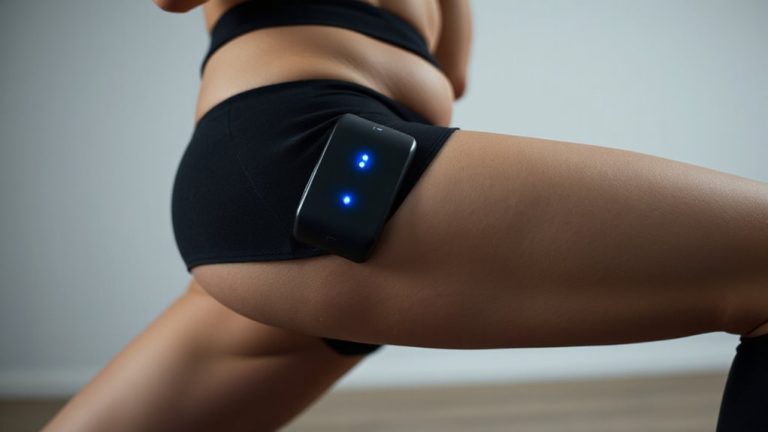
A tiny sensor贴 to your skin is doing more than just recording data-it’s decoding your body’s stress language in real time. Using microfluidic technology, it continuously analyzes sweat to detect cortisol spikes the moment they happen. You’re not waiting for lab results-this feedback is immediate, helping you understand how your body responds to training, sleep, or mental strain. Thanks to biometric integration, the wearable combines cortisol levels with heart rate variability, skin temperature, and activity patterns, giving a fuller picture of your stress state. Most devices sync seamlessly with your phone, offering clear visuals that track trends throughout the day. While sweat-based readings can be affected by hydration or external heat, the consistency in detecting relative changes makes them reliable for daily use. These wearables don’t just monitor-they help you adjust, recover smarter, and stay ahead of burnout.
How Rising Cortisol Warns You’re Overtraining (and What to Do)
You’re logging intense workouts, hitting personal records, and pushing through fatigue-yet your energy keeps dropping and recovery feels slower than ever. This could mean you’re exceeding your recovery threshold, and rising cortisol levels are the red flag. Cortisol spikes aren’t unusual after hard training, but when they stay elevated between sessions, it signals your body isn’t fully recovering. Chronic elevation disrupts sleep, weakens immunity, and hampers muscle repair-clear signs of overtraining. Wearable cortisol monitors help detect these patterns early by tracking physiological stress trends. They don’t just report data-they show when stress accumulates beyond sustainable levels. Recognizing this empowers you to adjust nutrition, sleep, or training load before performance plummets. These devices add objectivity to recovery, moving beyond guesswork. While not perfect, their real-time feedback offers a strategic edge. Managing cortisol isn’t about eliminating stress-it’s about staying within your recovery threshold to keep long-term progress on track.
When to Pull Back: Using Cortisol to Modify Workouts
While your drive to improve matters, ignoring rising cortisol signals can turn productive training into counterproductive stress. When your wearable detects sustained spikes, it’s not just data-it’s a clear sign of accumulating training fatigue. Pushing hard during these times risks plateaus or injury, so smart athletes use these recovery signals to adjust. Maybe you skip intensity, shorten a session, or switch to mobility work. Cortisol trends help differentiate normal soreness from systemic strain, offering a more accurate picture than heart rate or perceived exertion alone. These devices don’t dictate rest, but they highlight patterns suggesting when to pull back. Over time, aligning workouts with your body’s actual recovery state improves adaptation. Bottom line: responding to cortisol isn’t quitting-it’s refining. You train smarter, not just harder, giving your efforts better long-term returns.
Which Cortisol Monitoring Wearable Is Right for You?
Knowing when to scale back your training based on cortisol trends sets the foundation for smarter recovery, but putting that insight into practice starts with choosing the right wearable. Your ideal device balances device accuracy with user comfort, ensuring reliable readings without disrupting daily life. Consider these key options:
| Device | Accuracy & Comfort |
|---|---|
| CortiWatch Pro | High device accuracy, medium user comfort – rigid band may irritate during sleep |
| StressSense Band | Moderate accuracy, excellent user comfort – soft, lightweight design |
| RecoverX Monitor | High accuracy, high comfort – advanced sensors and hypoallergenic strap |
Each offers real-time cortisol tracking, but fit and sensor precision vary. The CortiWatch Pro delivers lab-grade data but sacrifices wearability. StressSense wins for all-day comfort, though fluctuating humidity affects its readings. RecoverX strikes the best balance-ideal if you demand precision without irritation. Choose based on your training intensity and lifestyle needs.
Optimize Recovery Using Your Cortisol Data
Although cortisol data alone won’t dictate your recovery plan, it becomes a powerful tool when interpreted alongside your training load and sleep quality. You can use elevated cortisol readings to delay high-intensity sessions or introduce active recovery, especially if you’ve had poor sleep quality recently. Consistently high levels might signal overreaching, prompting adjustments in both training volume and lifestyle habits. Pair this feedback with strategic nutrition timing-like consuming protein and carbs within 45 minutes post-workout-to support hormonal balance and muscle repair. Recovery isn’t just rest; it’s a deliberate process where data drives decisions. Wearables that track cortisol trends help you avoid guesswork, but they work best when combined with subjective feedback and objective metrics. Ultimately, syncing cortisol insights with nutrition timing and sleep quality turns recovery into a measurable, manageable part of your fitness strategy.
On a final note
You’ll find wearable cortisol monitors offer real, science-backed insights into your recovery. By tracking cortisol fluctuations between sessions, these devices help pinpoint stress overload before performance dips. While not flawless-accuracy varies by model-they complement heart rate variability and sleep data well. Used wisely, they guide smarter training adjustments, preventing overtraining. For serious athletes, the investment may be worthwhile, provided you pair data with self-awareness and recovery practices.