Utilizing Vibration Plate Training to Accelerate Muscle Tissue Repair and Growth
You’re not just standing on a vibration plate-you’re activating muscle fibers through rapid contractions that boost circulation and speed up tissue repair. At 30–50 Hz, these vibrations stimulate motor units more effectively than rest alone, enhancing recovery and supporting growth. Improved blood flow delivers nutrients while flushing out metabolic waste, reducing soreness and stiffness. When combined with targeted exercises like squats or planks, the benefits multiply-your recovery becomes active, not passive. There’s more to optimizing this tool than frequency alone.
Notable Insights
- Vibration plates enhance muscle activation through tonic vibration reflexes, stimulating more motor units than passive recovery.
- Increased blood circulation from vibration training delivers oxygen and nutrients while removing metabolic waste for faster tissue repair.
- Frequencies between 30–50 Hz optimize cellular regeneration, promoting efficient muscle recovery and growth.
- Vibration-induced micro-tears trigger protein synthesis and repair mechanisms similar to resistance training.
- Performing vibration-assisted exercises like squats and planks boosts muscle engagement and accelerates recovery post-exercise.
How Vibration Plates Speed Muscle Recovery
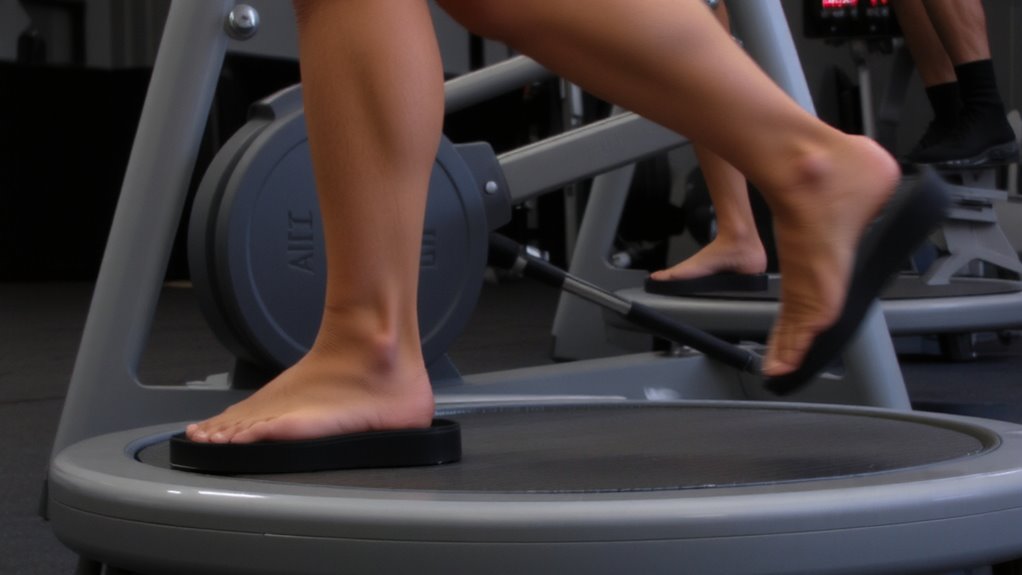
While you’re recovering from an intense workout, the right tools can make a real difference-and vibration plates are increasingly recognized for their role in accelerating muscle repair. You’ll notice quicker recovery because the vibrations enhance muscle activation, even at rest, stimulating fibers more effectively than passive recovery alone. This low-impact stimulation promotes blood circulation, delivering oxygen and essential nutrients to fatigued tissues while flushing out metabolic waste. Studies show consistent use leads to reduced soreness and stiffness within 24–48 hours post-exercise. Though not a replacement for rest or nutrition, these devices complement recovery protocols efficiently. Models with adjustable frequency and amplitude let you tailor sessions to your needs, improving adherence and results. While results vary, most users report feeling refreshed and ready for the next session sooner. Vibration plates won’t magically heal muscles, but their ability to boost circulation and maintain neuromuscular engagement makes them a smart addition to any recovery-focused fitness routine.
How Vibrations Trigger Muscle Repair Mechanisms
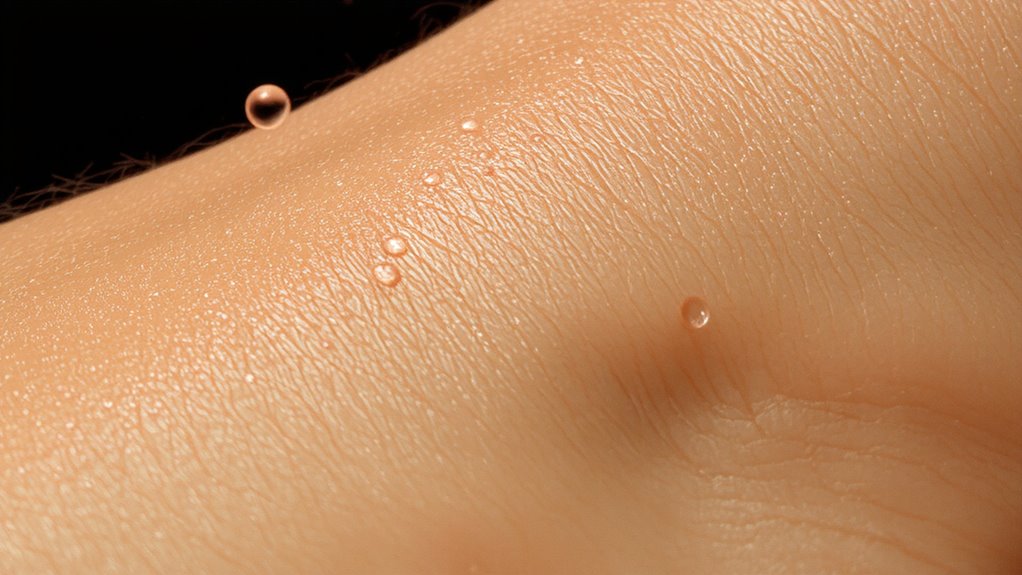
When you step onto a vibration plate, the rapid oscillations immediately engage your muscles through reflexive contractions known as tonic vibration reflexes, activating more motor units than typical voluntary movements. This occurs because the vibrations trigger muscle spindles activation, sensitive receptors within your muscles that detect changes in length. As these spindles fire, they prompt involuntary contractions, enhancing muscular recruitment. Simultaneously, neural pathway stimulation amplifies communication between your brain and muscles, improving coordination and response efficiency. Over time, this heightened neuromuscular activity promotes micro-tears in muscle fibers-small, controlled damage that jumpstarts repair. The body responds by synthesizing new proteins and reinforcing tissue, laying the groundwork for stronger, more resilient muscles. While the technology isn’t a standalone solution, when integrated appropriately, vibration training supports targeted recovery and muscle development more efficiently than passive rest. Properly used, it’s a credible adjunct in modern fitness recovery protocols.
Reduce Inflammation and Soreness With Vibration Therapy
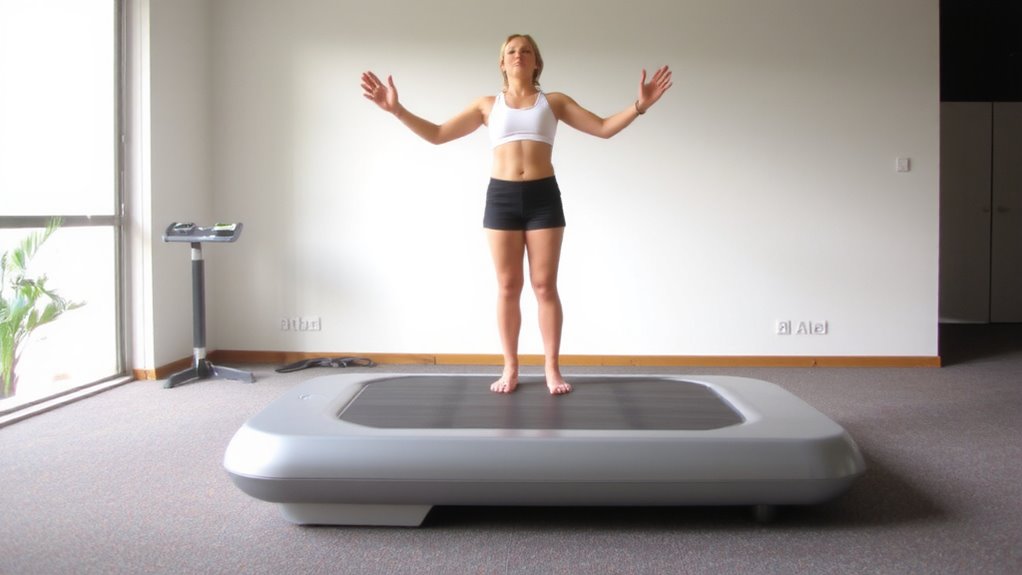
How do you recover faster without sacrificing training intensity? Vibration therapy helps by promoting increased circulation, which delivers oxygen and nutrients to fatigued muscles more efficiently. You’ll notice reduced stiffness within minutes, letting you maintain consistent training schedules. Whole-body vibrations stimulate the nervous system, calming overactive muscle fibers and decreasing inflammation markers. It’s not a miracle fix, but when used correctly, it supports recovery in a way few fitness recovery tools can match. Devices vary in power and stability, so choose one with adjustable amplitude and solid construction. You’ll feel less sore after tough sessions, and your muscles will return to peak function quicker. While it won’t replace rest or nutrition, vibration therapy enhances the body’s natural repair timeline. For active individuals, it’s a practical, science-backed addition to a smart recovery protocol. Top models offer targeted benefits depending on your fitness goals, making it easier to find the right best vibration therapy devices for your needs.
Ideal Frequency and Duration for Faster Healing
Since healing speed depends heavily on how you apply vibration therapy, getting the frequency and duration right makes all the difference. For faster muscle repair, you’ll want to focus on frequency optimization-most studies suggest 30 to 50 Hz as ideal for stimulating cellular regeneration without overloading tissues. Lower frequencies, around 20–30 Hz, help relax muscles and improve circulation, while higher settings can hinder recovery if misused. As for session timing, 10 to 15 minutes per session, two to three times daily, offers measurable benefits without causing fatigue. Exceeding 20 minutes or using excessive frequency may reduce effectiveness and delay healing. Consistency matters, but so does precision-your vibration plate’s settings should align with your recovery goals. Using ideal session timing and frequency optimization not only accelerates tissue repair but also enhances long-term muscle resilience. Quality execution beats longer sessions every time.
Best Vibration Plate Exercises for Recovery and Growth
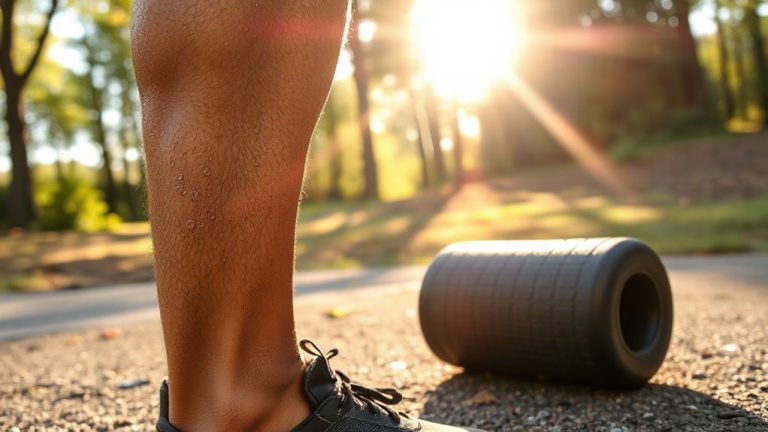
You’ve fine-tuned your frequency and session length for peak healing, but now it’s time to put that precision into motion with targeted exercises that maximize recovery and stimulate muscle growth. Start with vibration-assisted squats to activate lower-body muscles and improve circulation. Add in planks on the plate to engage your core under amplified tension, promoting muscular endurance. Gentle lunges enhance balance while encouraging blood flow to overstressed legs. After each session, integrate foam rolling to break down adhesions and reduce stiffness-especially effective when paired with the plate’s oscillations. Follow with static stretching routines to increase flexibility and support tissue repair. The combination enhances neuromuscular recovery, making your routine more efficient. High-amplitude plates work best for these movements, delivering ideal stimulation without strain. Consistency matters: perform these exercises 3–4 times weekly. When combined with proper recovery tools, vibration training bridges the gap between intense effort and effective healing.
On a final note
You’re likely to see faster muscle recovery and improved growth by incorporating vibration plate training into your routine. It reduces inflammation and soreness while stimulating repair mechanisms through targeted, timed exposure. Frequencies between 30–50 Hz, used for 10–15 minutes post-workout, deliver best results. When paired with proper exercises like squats or lunges, the plate enhances blood flow and neuromuscular activation-making it a practical, science-backed addition to recovery-focused fitness gear.