Tai Chi Fan Form Elements Isolated for Wrist and Forearm Circulatory Boost
You can boost wrist and forearm circulation by isolating Tai Chi Fan moves like *Wrist Turns with Fan Closed* and *Fan Opens to the Side*, which combine smooth rotation with light resistance to stimulate blood flow and joint lubrication. These controlled motions engage the pericardium meridian, enhance vasodilation, and reduce stagnation without straining tendons. Practicing just five minutes daily improves endurance and alignment. Precision matters-poor form wastes effort. Keep posture aligned and movements deliberate to maximize circulatory benefits and support long-term joint health. A few tweaks could make all the difference.
Notable Insights
- Tai Chi Fan’s flowing wrist motions enhance circulation by rhythmically compressing and releasing blood vessels.
- Circular wrist movements stimulate pericardium and lung meridians to improve Qi and blood flow.
- Controlled fan openings and closings promote full wrist range of motion with minimal joint strain.
- Forearm twists during fan practice balance flexor and extensor engagement, relieving deep muscular tension.
- Daily five-minute sessions of isolated fan movements boost microcirculation and support wrist recovery.
Why Tai Chi Fan Moves Boost Wrist Circulation
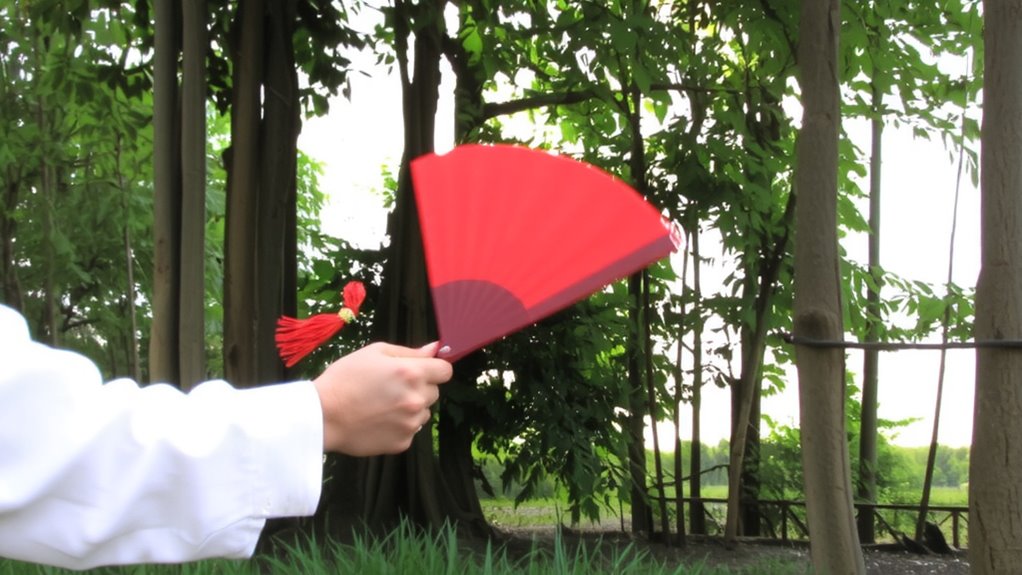
Flow, precision, and repetition-those are the hallmarks of Tai Chi fan practice, and they’re exactly what make these movements so effective for enhancing wrist circulation. You engage in smooth, deliberate motions that promote Qi cultivation with every arc and turn. The fan’s weight and extension amplify micro-movements, encouraging energy alignment from fingertip to shoulder. As you practice, your wrist travels through full ranges of motion, gently stimulating meridians linked to cardiovascular health. Unlike high-impact fitness recovery tools, Tai Chi fan forms offer low-stress conditioning, ideal for joint preservation and endurance. The rhythmic flow supports sustained circulation without strain, making it practical for daily use. This isn’t just movement-it’s functional training with roots in traditional design. When performed consistently, these forms don’t just maintain wrist health; they optimize it. You’re not just waving a fan-you’re refining neuromuscular control, boosting responsiveness, and reinforcing foundational alignment for long-term circulatory resilience.
How Tai Chi Wrist Circles Increase Blood Flow
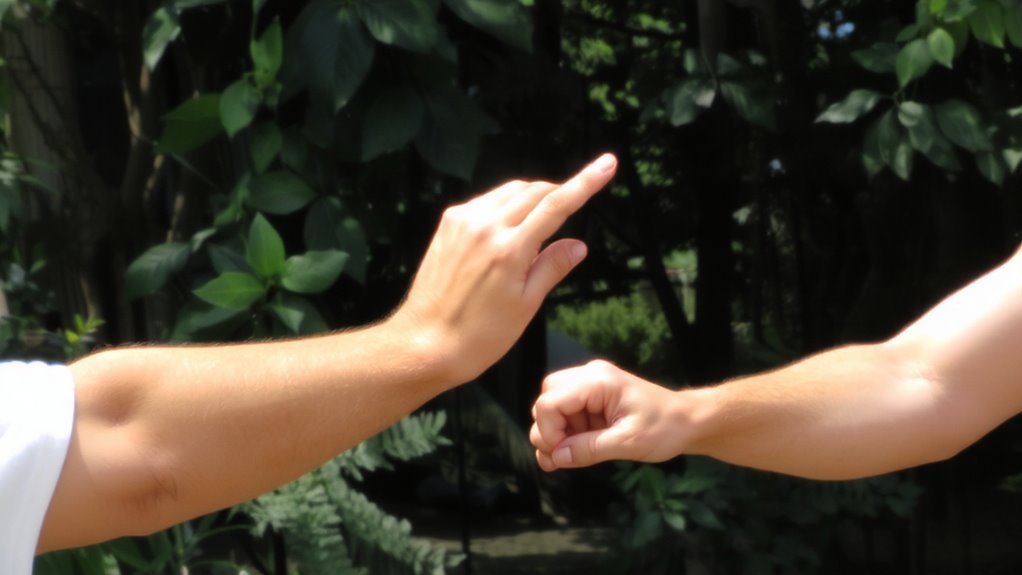
You’ll notice increased blood flow in your wrists almost immediately when performing Tai Chi wrist circles, thanks to their consistent, circular motion that gently compresses and releases blood vessels. This rhythmic action supports meridian flow and encourages smooth circulation of qi energy through the arms. As you rotate your wrists mindfully, you’re not just warming the joints-you’re activating pathways linked to cardiovascular recovery and neural balance.
| Benefit | Explanation |
|---|---|
| Enhanced Circulation | Movement promotes vasodilation in small vessels |
| Improved Qi Energy | Continuous motion clears stagnation in hand meridians |
| Joint Lubrication | Synovial fluid disperses evenly with rotation |
| Meridian Flow | Stimulation of pericardium and lung meridians |
These circles are low-impact yet highly effective, making them ideal for fitness recovery, especially when paired with breathable, flexible gear that allows full range without restriction.
3 Tai Chi Fan Moves That Unlock Wrist Mobility
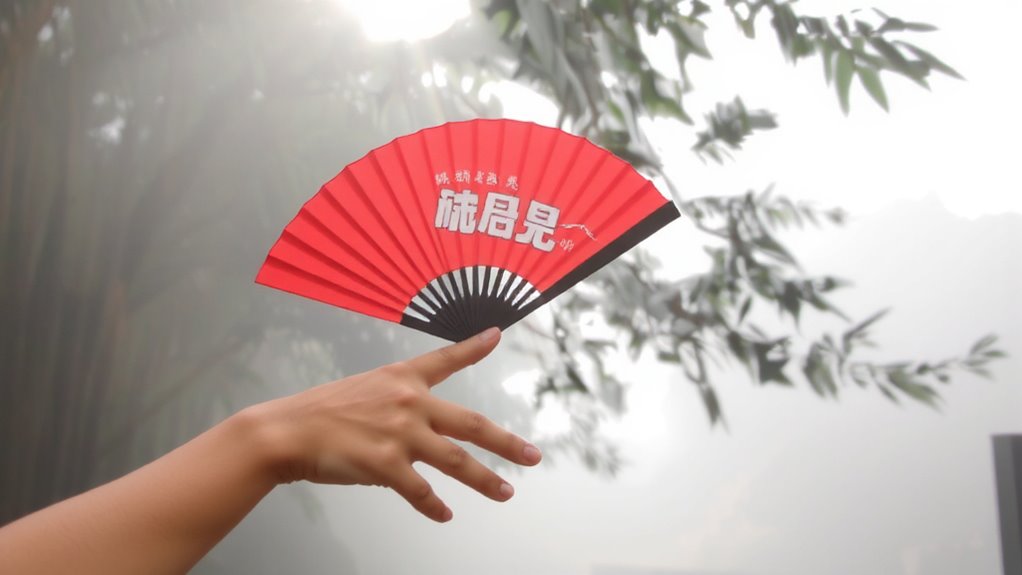
Why do certain Tai Chi fan movements seem to effortlessly restore wrist mobility where other exercises stall? It’s because they combine precision with fluidity. When you perform moves like *Fan Opens to the Side* or *Wrist Turns with Fan Closed*, you engage in controlled joint rotation that gently loosens tight tendons. These motions emphasize proper wrist alignment, reducing strain while increasing range of motion. Unlike rigid gym tools, the fan’s light resistance encourages dynamic movement without overloading the joint. You’re not just moving-you’re re-educating your wrist through repetition that supports natural biomechanics. Real progress shows in daily tasks: turning doorknobs, typing, or lifting feels smoother. Tai Chi fan forms offer more than tradition; they deliver functional recovery. The right gear-lightweight, balanced fans-enhances effectiveness, making mobility work feel effortless.
How Forearm Twists Relieve Tension Naturally
Twisting your forearm with control isn’t just a subtle movement-it’s a targeted tactic for releasing deep muscular tension that builds up from daily strain or repetitive motions. You’re actively improving joint alignment while encouraging balanced muscle engagement across your forearm’s flexors and extensors. This controlled rotation disperses tension that often settles near the elbow and wrist, areas prone to stiffness. Proper form guarantees minimal strain on connective tissues, promoting smoother, pain-free mobility. Unlike aggressive stretching or costly recovery tools, these twists leverage natural biomechanics, making them a sustainable addition to daily movement hygiene. You’ll notice improved resilience in grip strength and reduced nagging discomfort-especially if you type, write, or lift frequently. The beauty lies in its simplicity: no fitness gear needed, just mindful motion. When done consistently, forearm twists offer a quiet but effective reset, supporting long-term joint health and functional recovery without gimmicks or added equipment.
5 Minutes a Day for Better Circulation
Just five minutes a day can make a meaningful difference in boosting circulation, especially when those minutes are spent on intentional movement. You don’t need elaborate fitness gear-just your body and focus. Incorporating simple Tai Chi Fan form isolations into your routine enhances blood flow, particularly when paired with deep breathing techniques. These slow, rhythmic breaths oxygenate your blood and support energy alignment, promoting balance from within. Studies suggest that brief, consistent practices outperform sporadic, longer sessions in recovery metrics. The fan’s light resistance adds subtle load, engaging forearm muscles without strain. You’ll notice improved warmth and tingling in the hands-positive signs of circulation. Unlike high-intensity tools, this method emphasizes sustainable movement, ideal for fitness recovery or low-impact maintenance. The design supports joint mobility, while your breath guides the pace. Minimalist and effective, it complements broader wellness strategies without demanding extra time or equipment.
Fix These Tai Chi Fan Mistakes
A common oversight in practicing the Tai Chi Fan form is using momentum instead of control, and that’s where most beginners lose the benefits for fitness recovery. Common errors like flaring elbows or rushing shifts reduce circulatory stimulation and compromise joint safety. You’ve got to focus on smooth, deliberate motions that support proper alignment from wrist to shoulder. Even slight misalignments can diminish the form’s effectiveness, especially during repetitive sequences. Below are key areas to monitor:
| Element | Mistake | Correction |
|---|---|---|
| Wrist Position | Hyperextension | Neutral, aligned with forearm |
| Posture | Hunched shoulders | Relaxed, spine erect |
| Movement Flow | Jerky shifts | Continuous, even pace |
Using proper technique guarantees maximum blood flow and joint engagement. Don’t rely on flashy swings-precision beats speed. Your recovery depends on consistency and correct form, not intensity. With mindful repetition, you’ll boost circulation and build sustainable strength.
On a final note
You’ll find that practicing these Tai Chi fan moves improves wrist and forearm circulation by combining controlled rotation with mindful resistance. The motions enhance vascular flow and joint flexibility, especially when done daily. Quality fan gear with balanced weight supports effective recovery without strain. Done right, this routine reduces stiffness and boosts long-term mobility-making it a practical addition to your fitness recovery toolkit.