How Walking Meditation Doubles as Physical Activation and Mindfulness Practice for Recovering Athletes
You’re rebuilding strength while calming your nervous system with every mindful step. Walking meditation boosts circulation to repair muscle fibers and lowers cortisol through breath-synchronized movement. It gently reactivates injured muscles, restoring neural connections without strain. This dual physical and mental practice enhances recovery efficiency, especially when supported by proper footwear and intention. You’re not just moving-you’re training your body and mind to heal together, with deeper benefits revealed through consistent practice.
Notable Insights
- Walking meditation boosts circulation to aid muscle repair while activating recovering tissues with gentle, low-impact movement.
- It engages the parasympathetic nervous system, reducing cortisol and supporting both physical recovery and mental calm.
- Mindful breathing synchronized with steps enhances oxygen delivery and regulates the body’s stress response.
- Focusing on sensory input grounds attention, improving present-moment awareness and reducing perceived pain.
- Repetitive, intentional walking restores neural pathways to reactivated muscles, aiding re-education without risk of re-injury.
Why Walking Meditation Speeds Athlete Recovery
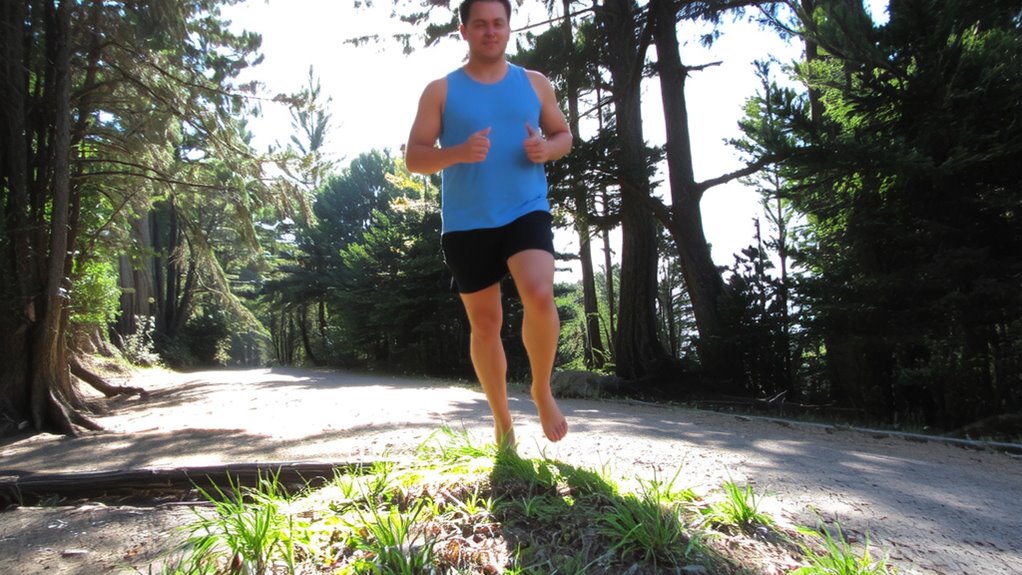
Why aren’t more athletes tapping into walking meditation as a recovery tool? You’re likely overlooking how this simple practice supports muscle regeneration and nervous system balance-both critical for effective recovery. Unlike passive rest, walking meditation encourages low-intensity movement that boosts circulation without stressing fatigued tissues. This enhanced blood flow delivers oxygen and nutrients essential for repairing muscle fibers damaged during intense training. Simultaneously, the mindful focus inherent in the practice helps shift your autonomic nervous system from sympathetic dominance to parasympathetic control, promoting relaxation and reducing cortisol levels. That balance isn’t just mental-it directly influences physical recovery speed. When integrated consistently, walking meditation requires no special gear, adapts to any fitness level, and fits seamlessly into existing recovery protocols. It’s not a replacement for sleep or nutrition, but a practical, evidence-backed addition that complements proven recovery strategies.
How Gentle Movement Reactivates Injured Muscles
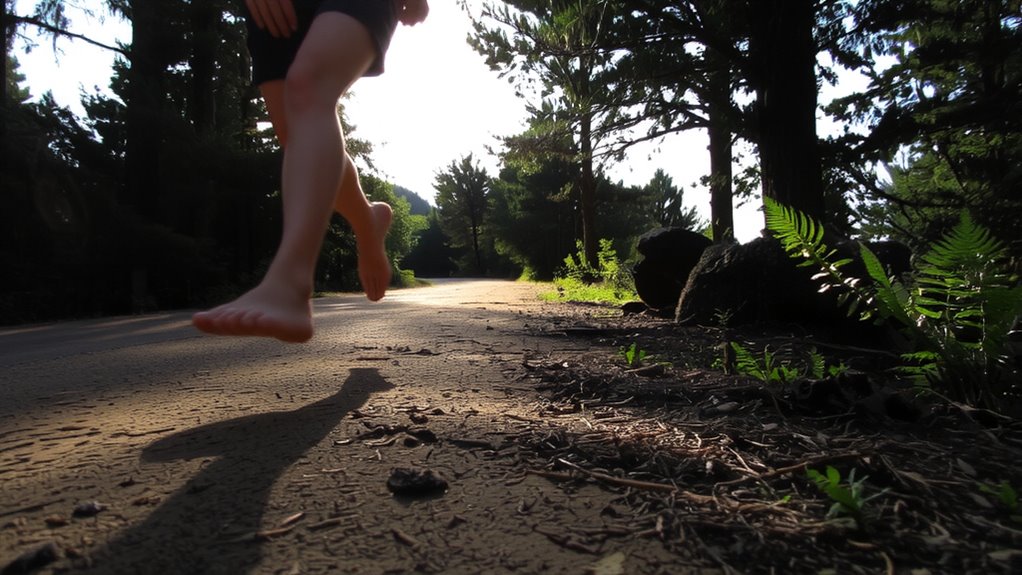
You’re already using walking meditation to ease your nervous system and support muscle repair after intense sessions, but this mindful movement does more than just aid recovery-it plays a key role in reawakening injured muscles. Gentle, intentional steps stimulate low-level activation, helping restore communication between your brain and damaged tissue. This process supports muscle re-education, guiding atrophied or inhibited muscles back to proper function through repetition and awareness. Over time, consistent practice encourages neural rewiring, strengthening motor pathways that may have weakened due to injury or inactivity. Unlike aggressive rehab drills, walking meditation offers a sustainable, low-impact method that fits into daily routines without risk of re-injury. You’re not just moving-you’re retraining your body with precision. For recovering athletes, this blend of physical and neurological engagement enhances long-term mobility, making it a smart complement to traditional recovery gear like compression sleeves or foam rollers.
Start Your Walking Meditation Routine Today
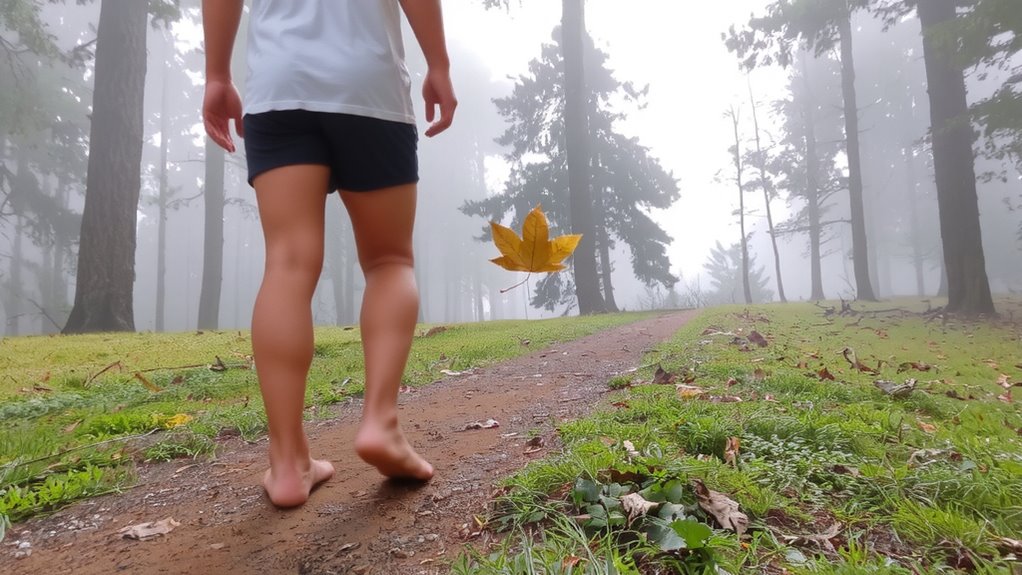
While many athletes prioritize high-tech recovery tools like electric muscle stimulators or cryotherapy chambers, starting a walking meditation routine today can deliver equally meaningful benefits with far less complexity. This practice blends gentle movement with breath awareness and sensory grounding, supporting both physical reactivation and mental clarity. You don’t need special gear-just supportive shoes and intentional focus. Below are key components that make walking meditation effective for recovery:
| Focus Area | Benefit |
|---|---|
| Breath Awareness | Regulates nervous system, reduces tension |
| Sensory Grounding | Enhances present-moment focus |
| Rhythmic Walking | Promotes blood flow to recovering muscles |
| Low Impact | Minimizes joint stress while staying active |
Unlike expensive equipment with limited evidence, walking meditation offers consistent, measurable results in stress reduction and muscle readiness-making it a practical, accessible choice. Start with just 10 minutes daily to build resilience and awareness naturally.
Turn Any Walk Into a Healing Practice
How often do you treat a simple walk as just a way to get from one place to another? You can turn any stroll into a healing practice by integrating breath awareness and sensory focus. As you move, sync your inhales and exhales with your steps-try a four-count in, four-count out-to regulate your nervous system. This rhythmic breathing optimizes oxygen flow, supporting tissue repair. Simultaneously, sharpen sensory focus: notice the texture of the ground beneath your supportive footwear, the air on your skin, birdsong, or rustling leaves. These cues anchor you in the present moment, transforming passive movement into mindful recovery. Unlike high-tech fitness gear that tracks metrics, this practice relies on internal feedback. Recovery isn’t just physical; it’s neurological. By engaging both body and mind, walking becomes a dual-purpose tool-gentle on joints, restorative for focus-and accessible anytime, anywhere.
Stay Present When Recovery Feels Slow
Why does time seem to stretch when you’re nursing an injury or waiting for performance to return? Because your mind fixates on progress, or the lack of it. Instead of measuring recovery in milestones, anchor yourself in the present. Use breath awareness to settle your focus-each inhale, each exhale, a quiet signal that you’re still moving forward, even if slowly. Pair this with sensory grounding: notice the pressure of your foot striking the ground, the rhythm of your arms, the air on your skin. These cues keep you engaged in the now, not in some distant finish line. Walking meditation isn’t just mobility work; it’s mental recalibration. You’re training patience, presence, and resilience-qualities as essential as strength or endurance. Recovery isn’t passive, and neither are you. By staying grounded, you reclaim control, one step, one breath, at a time.
How Mindfulness Reduces Pain and Stress
Isn’t it remarkable how a simple shift in attention can alter your experience of discomfort? When you practice mindfulness during walking meditation, you’re not eliminating pain-you’re changing how your brain processes it. By sharpening body awareness, you notice tension patterns early, allowing subtle adjustments that reduce strain. This isn’t just relaxation; it’s active recovery with measurable impact. Mindfulness strengthens emotional regulation, helping you stay calm when frustration or impatience arises during rehab. Studies show consistent practice lowers cortisol levels, directly reducing stress-related inflammation. For recovering athletes, this dual effect-on both mind and body-means faster adaptation and fewer setbacks. Unlike passive recovery tools, mindfulness trains your nervous system to respond rather than react. It’s low-tech, always accessible, and requires no special gear, making it a highly efficient complement to physical therapy. You’re not just healing-you’re retraining your relationship with pain.
On a final note
You’re not just walking-you’re rebuilding. Walking meditation merges low-impact physical activation with mindfulness, helping injured muscles regain function without strain. It’s practical recovery: heart rate stays steady, joints move safely, and mental focus reduces perceived pain. Unlike high-tech gear, it requires nothing but intention. Studies show it lowers cortisol and improves adherence to rehab. For athletes, this dual benefit speeds healing, making it not just useful, but essential.