Using Pneumatic Compression Devices to Reduce Swelling After ACL Reconstruction
You should use pneumatic compression right after ACL surgery to fight swelling that slows healing. It boosts blood flow, helps drain fluid, and calms inflammation, which speeds up recovery. Starting within the first 24 hours and using it consistently keeps swelling in check and supports muscle function. For best results, pick a device with adjustable settings and comfortable sleeves. Stick to a routine, and you’ll see better outcomes-there’s more to learn about maximizing each recovery phase.
Notable Insights
- Pneumatic compression devices reduce post-ACL surgery swelling by improving fluid drainage and lowering joint pressure.
- Using intermittent, controlled pressure, these devices enhance lymphatic flow and support tissue healing.
- Start pneumatic compression within 0–24 hours post-op, as directed, for optimal swelling control.
- Devices should have adjustable pressure settings, comfort features, and compatibility with post-surgical recovery needs.
- Use 20–30 minute sessions 2–3 times daily, especially after therapy, to maintain swelling reduction.
Why Swelling Slows ACL Recovery
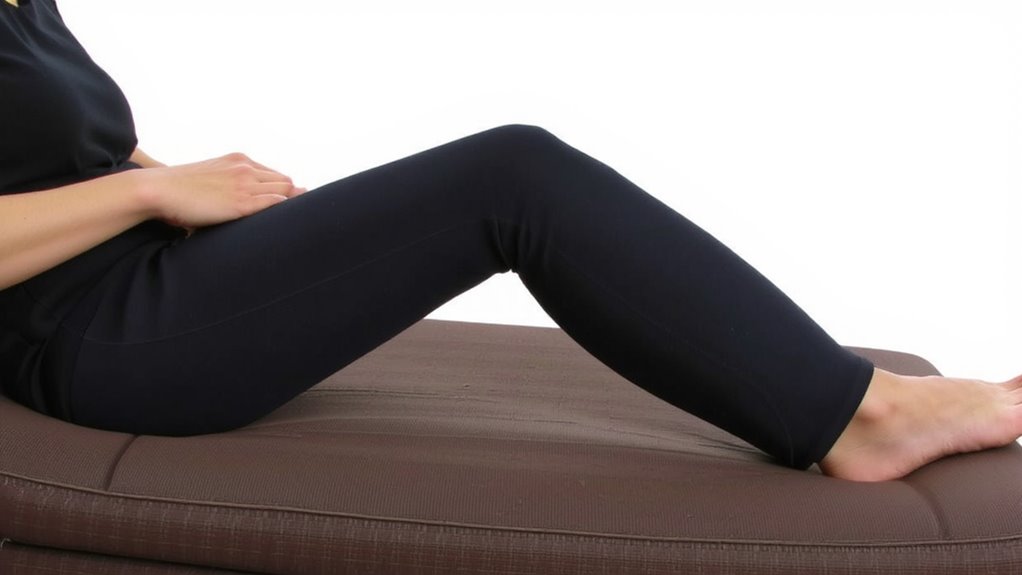
While swelling is a natural part of healing after ACL reconstruction, it can actually slow your recovery if not managed well. You’re likely to experience fluid accumulation in the joint, which increases tissue pressure and restricts blood flow. This pressure doesn’t just cause discomfort-it limits oxygen delivery and slows the removal of metabolic waste, impairing tissue repair. Elevated tissue pressure can also inhibit muscle activation, making it harder to regain strength and control in your quadriceps. Without timely intervention, prolonged swelling may lead to joint stiffness and delayed rehabilitation milestones. In fitness recovery, managing these physiological responses is as critical as the surgery itself. Effective swelling control supports earlier mobility and more consistent physical therapy progress. While ice and elevation help, they’re often insufficient on their own. Recognizing the impact of fluid accumulation helps you appreciate proactive strategies that support healing, ensuring recovery stays on track without unnecessary setbacks.
How Pneumatic Compression Reduces Post-Op Swelling
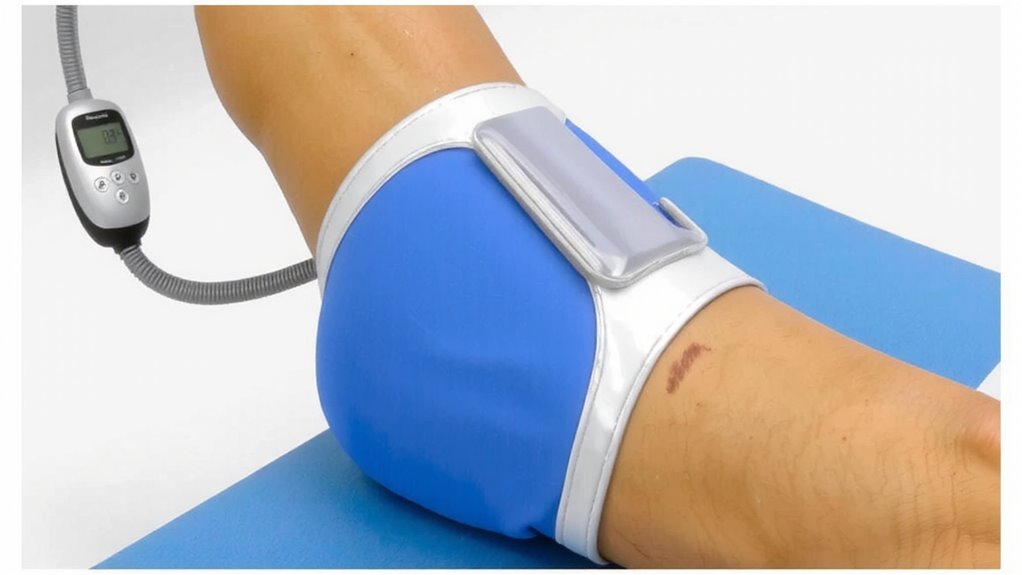
Pneumatic compression devices actively combat post-surgical swelling by applying controlled, intermittent pressure to the limb through an inflatable sleeve. You’ll notice improved fluid dynamics as the sequential compression helps move excess interstitial fluid back into circulation, reducing edema around the knee. This process mimics the body’s natural muscle pump, enhancing lymphatic drainage and supporting better tissue perfusion. With optimized blood flow, oxygen and nutrients reach healing tissues more efficiently, which may speed recovery. These devices aren’t just convenient-they’re engineered for clinical effectiveness, using calibrated pressure cycles to avoid vascular compromise. Most models let you adjust settings based on comfort and swelling severity, making them adaptable during early recovery. While not a substitute for movement or elevation, they complement rehab protocols well. Consistent use enhances microcirculation, helping you maintain gains between physical therapy sessions. Overall, pneumatic compression is a practical, evidence-informed tool that supports smarter recovery after ACL surgery.
When to Start Compression After ACL Surgery
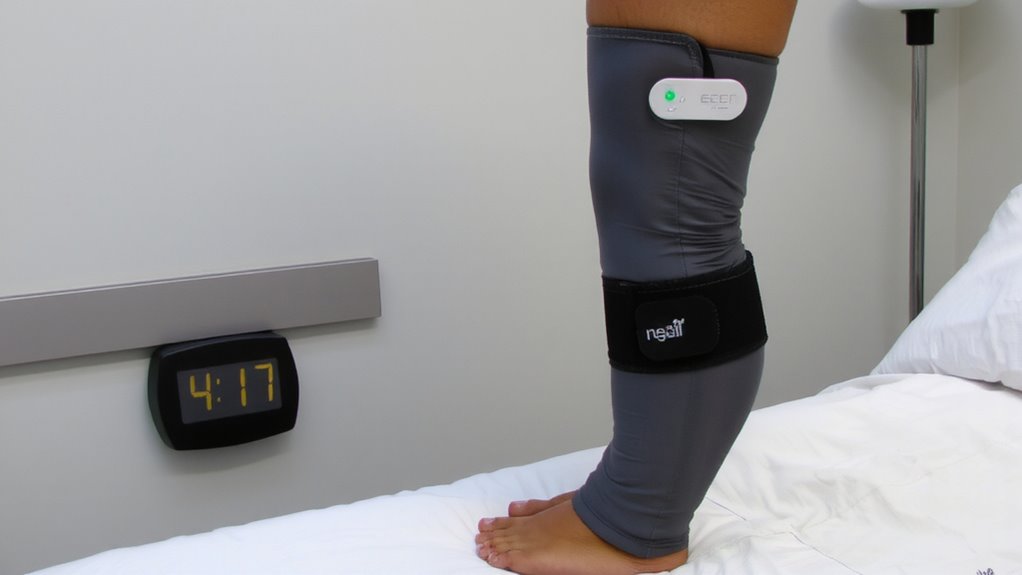
When should you actually start using compression after ACL surgery? Early initiation is key-most surgeons recommend beginning pneumatic compression immediately post-op or within the first 24 hours. Following established timing guidelines helps control swelling, improves comfort, and may speed recovery. Starting early leverages the body’s healing response when inflammation is most active. Delaying use might reduce effectiveness, especially during the critical first few days.
| Time After Surgery | Compression Recommendation |
|---|---|
| 0–24 hours | Start immediately, if cleared |
| 1–3 days | Use 4–6 hours daily, as directed |
| 4–7 days | Continue, adjust based on swelling |
| 1–2 weeks | Maintain consistent use |
| Beyond 2 weeks | Taper as recovery progresses |
Adhering to timing guidelines guarantees maximum results without overreliance on the device.
Choosing the Best Device for Your Needs
You’ve started your recovery with timely use of compression, setting the foundation for reduced swelling and better comfort. Now, choosing the right device matters just as much as using one. Look for strong device compatibility-your unit should align with your doctor’s settings, fit securely around your leg post-surgery, and integrate easily with your mobility aids. Some models connect to smartphone apps or have preset programs tuned for post-ACL recovery, enhancing precision. User comfort is equally critical; bulky sleeves or stiff materials can irritate surgical sites or limit movement. Opt for lightweight, breathable fabrics and adjustable pressure levels that let you customize therapy without discomfort. Devices with quiet pumps let you rest without disruption. Durability, portability, and ease of cleaning also impact long-term use. A well-chosen device supports consistent therapy, so balance clinical effectiveness with day-to-day practicality when making your decision.
Daily Tips to Maximize Compression Benefits
How can you get the most out of your pneumatic compression therapy each day? Consistency is key-stick to a routine that supports your recovery goals. Compression timing matters: aim for sessions of 20 to 30 minutes, two to three times daily, especially after physical activity or therapy, to effectively reduce swelling. Avoid skipping sessions, even when you’re feeling well-prevention is just as important as treatment. Monitor your skin and adjust pressure settings if needed; too much force can irritate tissue, while too little may be ineffective. Device hygiene is just as critical-wipe down sleeves regularly and wash them weekly to prevent bacteria buildup and skin issues. A clean system performs better and lasts longer. Proper care guarantees your gear remains reliable throughout rehab. Following these daily tips enhances circulation, speeds recovery, and keeps your device working efficiently.
5 Common Mistakes to Avoid in Rehab
While recovery progress can feel motivating, rushing through rehab or overestimating your body’s readiness often leads to setbacks-especially after ACL reconstruction. You might be keen to return to activity, but ignoring overexertion risks can strain healing tissue and delay gains. Pushing too hard too soon doesn’t speed recovery; it increases inflammation and re-injury potential. Similarly, tolerating improper alignment during exercises compromises joint mechanics and places undue stress on your reconstructed ligament. Whether it’s squatting with knees caving inward or walking with poor form, these habits undermine rehabilitation. Consistency matters, but only when exercises are performed correctly. Pair your pneumatic compression use with mindful movement and gradual progression. Trust the process: follow your therapist’s cues, monitor swelling, and prioritize proper technique over volume. Rehab is a structured rebuild-not a race-and smart choices now guarantee long-term stability and function.
On a final note
You’ll heal faster when you use pneumatic compression wisely after ACL surgery. These devices cut swelling efficiently, improving blood flow and tissue recovery. Starting early-once your surgeon approves-boosts results. Pick a model with adjustable pressure and good limb coverage. Combine daily use with elevation and movement. Avoid common errors like over-relying on compression or skipping sessions. Used right, it’s a smart, practical tool in modern recovery gear.