Focusing on Kinesthetic Discovery Rather Than Correction in Recovery-Oriented Technique Sessions for Junior Athletes
You learn faster by feeling how your body moves, not just by being corrected. In recovery, young athletes rebuild movement through body awareness-using tools like balance discs, foam pads, and resistance bands to explore alignment and tension without pressure. This kinesthetic discovery builds smarter, more resilient movement than rigid form-fixing ever could. It’s not about avoiding mistakes; it’s about guiding your body back with feedback and trust-exactly what sets effective, long-term recovery apart. There’s a smarter way forward, and it starts from within.
Notable Insights
- Emphasize internal sensation over external correction to foster natural movement relearning in junior athletes.
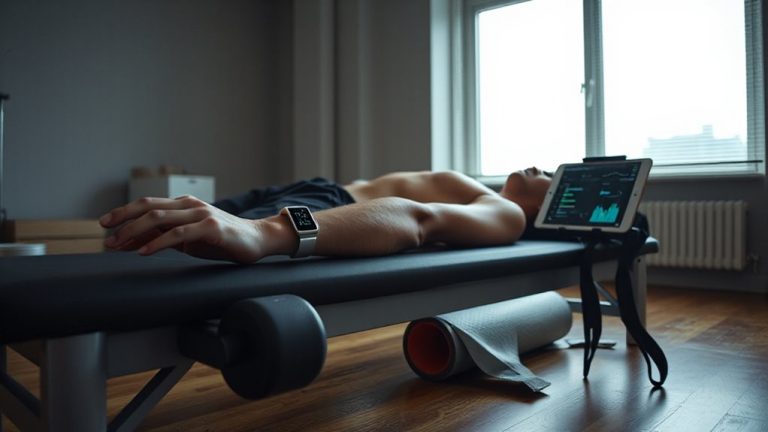
- Use wearable feedback devices to enhance bodily awareness without restricting motion during recovery.
- Design playful, low-intensity drills that promote proprioceptive retraining through exploration and discovery.
- Guide athletes to self-detect imbalances using tools like balance discs and open-ended sensory questions.
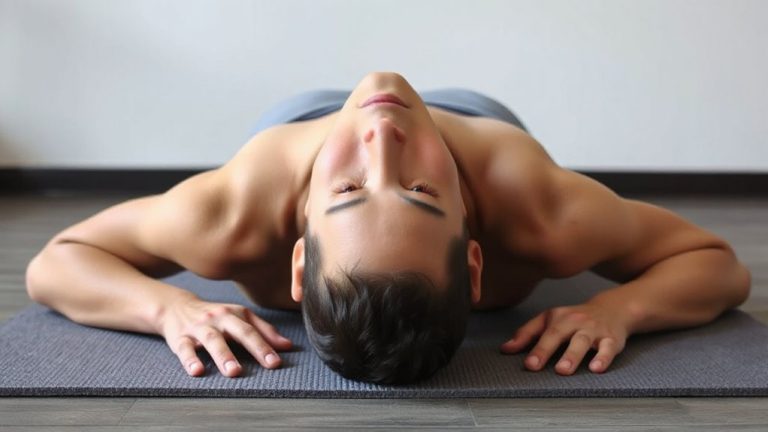
- Integrate body mapping and mindful movement to rebuild confidence and trust in post-injury motion.
How Kids Feel Their Way Into Better Movement
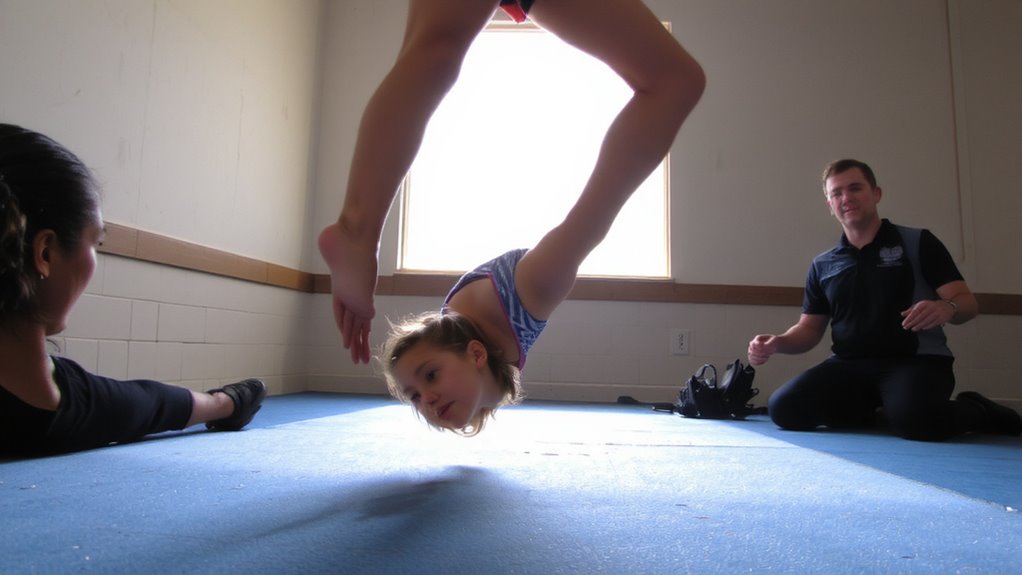
How do kids actually learn to move better after injury? They don’t just follow instructions-they feel their way into it. Through body mapping, they build a mental sketch of how their joints and muscles connect and respond, which sharpens movement intuition over time. You’re not just retraining mechanics; you’re guiding young athletes to sense subtle shifts in balance, tension, and alignment. Wearable feedback devices and minimalist recovery gear support this by amplifying sensation, not restricting motion. Unlike rigid correction tools, these aids encourage exploration, letting kids discover efficient movement on their own. This kinesthetic discovery strengthens neuromuscular awareness far more effectively than forced alignment. Observations show athletes using sensory-rich recovery routines adapt faster, reporting not just less pain but greater confidence. It’s not about perfect form-it’s about informed, intuitive motion rooted in real-time feedback and progressive body awareness. Top-rated recovery tools like those highlighted in expert reviews provide evidence-based support for integrating sensory feedback into rehabilitation.
Why Feeling Beats Fixing in Youth Recovery
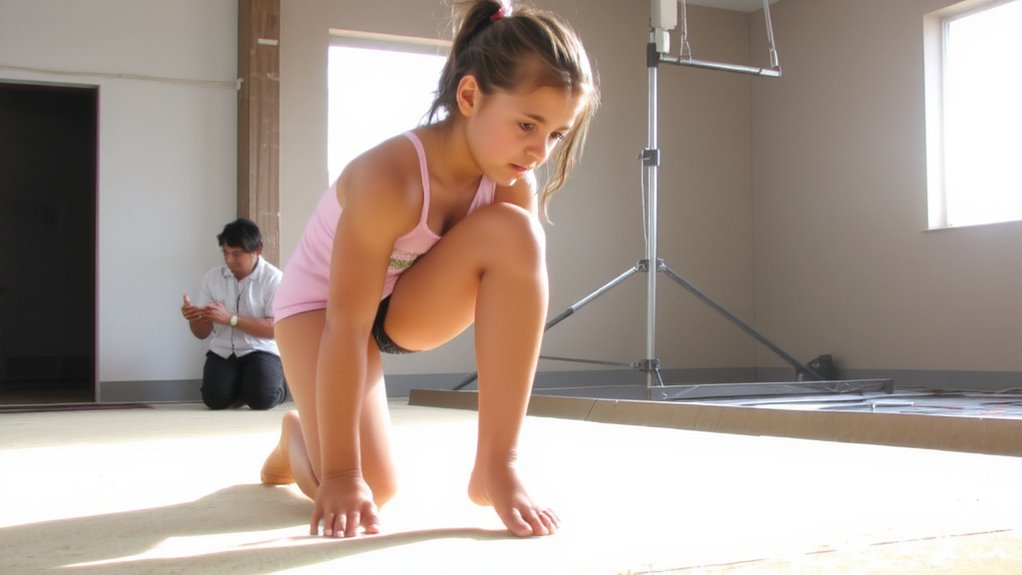
Why do so many young athletes stall in recovery despite perfect form drills and rigid supports? Because fixing ignores feeling. When you emphasize strict corrections over internal awareness, you override intuitive healing-the body’s natural ability to signal what’s working and what’s not. Youth recover better when they’re guided to notice sensations, not just obey commands. This builds emotional resilience, letting them stay engaged even when progress feels slow. Instead of chasing “ideal” positions, you help them explore movement with curiosity. Tools like compression gear or foam rollers work best when kids tune in, not just go through the motions. Feeling creates feedback; fixing often creates resistance. You’re not just restoring tissue-you’re developing body intelligence. And that awareness supports long-term recovery, far beyond any single session. Let them sense, adjust, and own their process. That’s how recovery sticks.
Fun Drills That Build Body Awareness
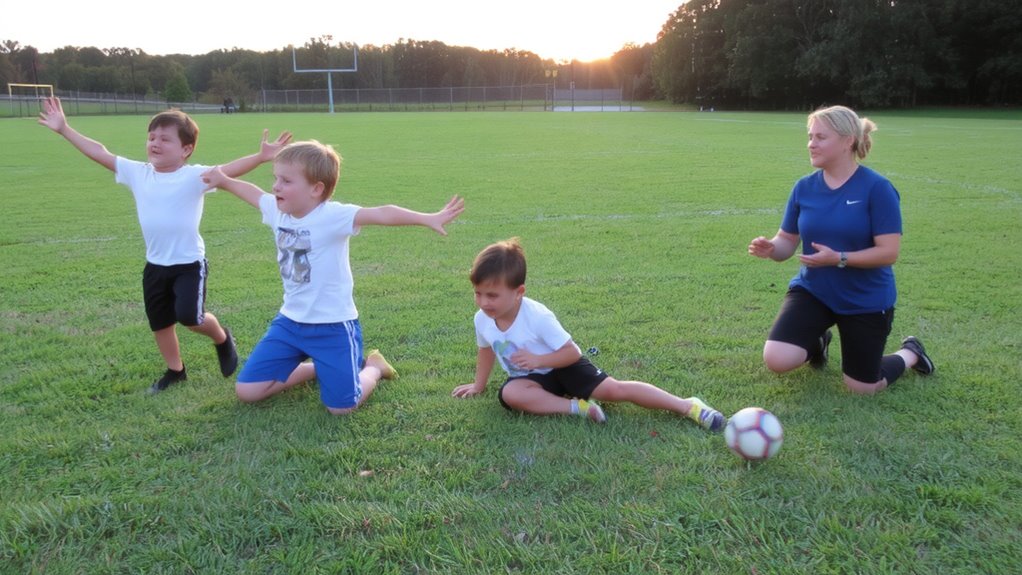
Can you envision a recovery drill that actually excites a tired 12-year-old after a long game? You can, and it starts with playful yet purposeful movement. Obstacle courses aren’t just for agility-they’re tools for kinesthetic discovery when designed with recovery in mind. Navigate foam pads, mini hurdles, and cones at low intensity, and you’re not building speed-you’re tuning in. Balance challenges on uneven surfaces or wobble boards activate stabilizing muscles without strain, sharpening proprioception while promoting relaxation. These drills work because they engage focus without exhausting the body, letting young athletes rebuild awareness gently. Unlike traditional technique correction, these activities emphasize sensation over perfection. The gear-cones, stability discs, low rails-is simple, durable, and easy to maintain, making setup efficient. When recovery feels like play, adherence improves. You’re not just restoring; you’re teaching the body to listen, adapt, and recover smarter.
Fix Feedback: Guide Discovery, Not Mistakes
You’ve built engagement through play, using foam pads, cones, and wobble boards to help young athletes reconnect with their bodies in a low-pressure way. Now it’s time to refine without correcting harshly. Instead of pointing out mistakes, guide athletes to notice their own body cues-tightness, alignment shifts, or imbalances-so they adjust intuitively. This approach supports natural movement patterns rather than imposing rigid fixes. You’re not overriding their kinesthetic sense; you’re sharpening it. Tools like balance discs or resistance bands work best when used to amplify feedback, not enforce form. When athletes feel a wobble or strain, that’s data-not failure. Prompt them with questions: “What did your foot feel just then?” or “Where’s the tension?” This nurtures self-awareness and resilience. Over time, they’ll recognize inefficient patterns early, leading to smarter recovery and stronger technique-no yelling or repetition needed. A well-chosen best foam rollers can enhance this discovery process by providing consistent, targeted myofascial release between sessions.
Help Injured Athletes Bounce Back Mentally and Physically
While physical healing sets the foundation, returning to form after injury demands more than just time-your confidence, focus, and movement trust must also rebound. Rebuilding mental resilience and practicing emotional regulation are just as critical as strength gains. You need structured yet adaptive recovery sessions that honor both body and mind.
| Phase | Focus Area |
|---|---|
| 1 | Pain-free mobility |
| 2 | Proprioceptive retraining |
| 3 | Controlled kinesthetic drills |
| 4 | Sport-specific simulation |
| 5 | Full reintegration |
Each stage integrates mindful movement, reducing fear-based hesitation. Recovery gear like resistance bands and balance discs support progressive loading while promoting body awareness. These tools aren’t just functional-they reinforce trust in your body’s ability to perform safely. A high-quality massage gun can further enhance recovery by reducing muscle tension and improving circulation during the mobility and retraining phases. When technique work emphasizes discovery over correction, you’re not just healing; you’re relearning how to move with confidence. With guided progression and attention to psychological readiness, you’ll return not only stronger but more resilient.
On a final note
You’re building smarter recovery habits by focusing on how movement feels, not just how it looks. Kinesthetic discovery helps young athletes tune into their bodies, boosting long-term performance and reducing re-injury risks. Instead of correcting errors, you guide exploration-making rehab more engaging and effective. Recovery gear, from foam rollers to resistance bands, supports this process when used mindfully. The result? Stronger, more body-aware athletes ready to return with confidence.