Why Chocolate Milk Is a Superior Post-Workout and Pre-Sleep Recovery Drink
You’re getting the ideal 3:1 carb-to-protein ratio chocolate milk naturally provides, making it perfect for refueling glycogen stores and kick-starting muscle repair post-workout. Its casein protein supports overnight recovery, while tryptophan may boost sleep quality. It’s tasty, real-food fuel that beats artificial supplements. Plus, when timed right, it works double duty for recovery and rest-there’s more to how it fits into a smart training routine.
Notable Insights
- Chocolate milk provides a natural 3:1 carb-to-protein ratio, ideal for glycogen replenishment and muscle repair post-workout.
- Its superior taste encourages consistent consumption, enhancing long-term recovery habits compared to artificial supplements.
- Casein protein in chocolate milk digests slowly, supporting overnight muscle synthesis during sleep.
- Tryptophan and a small amount of sugar help promote melatonin production and improve sleep quality.
- Consuming chocolate milk within 30–60 minutes post-exercise optimizes recovery and can aid bedtime hydration and satiety.
Why Chocolate Milk Is a Top Recovery Drink
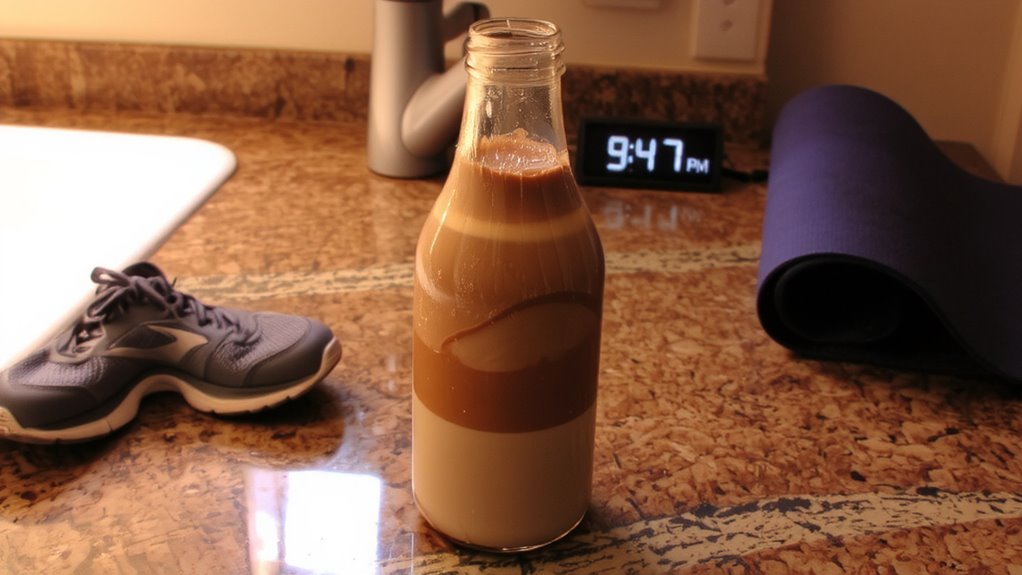
Recovery starts with the right fuel, and chocolate milk has earned its spot in the athlete’s post-workout lineup. You likely choose recovery drinks based on effectiveness, but let’s not overlook flavor preference-chocolate milk satisfies taste without sacrificing function. Unlike bland or artificial-tasting supplements, it encourages consistent intake, which matters when recovery is daily. Beyond taste, brand variety gives you flexibility; whether you opt for organic, lactose-free, or fortified versions, there’s a product tailored to dietary needs and performance goals. The natural balance of carbohydrates and protein supports muscle repair, while the enjoyable taste guarantees compliance. You’re more likely to stick with a recovery habit when it doesn’t feel like a chore. For practicality and results, chocolate milk combines nutrition, variety, and palatability in a way few recovery drinks do. It’s not just effective-it’s sustainable.
The Ideal Carb-To-Protein Ratio for Recovery
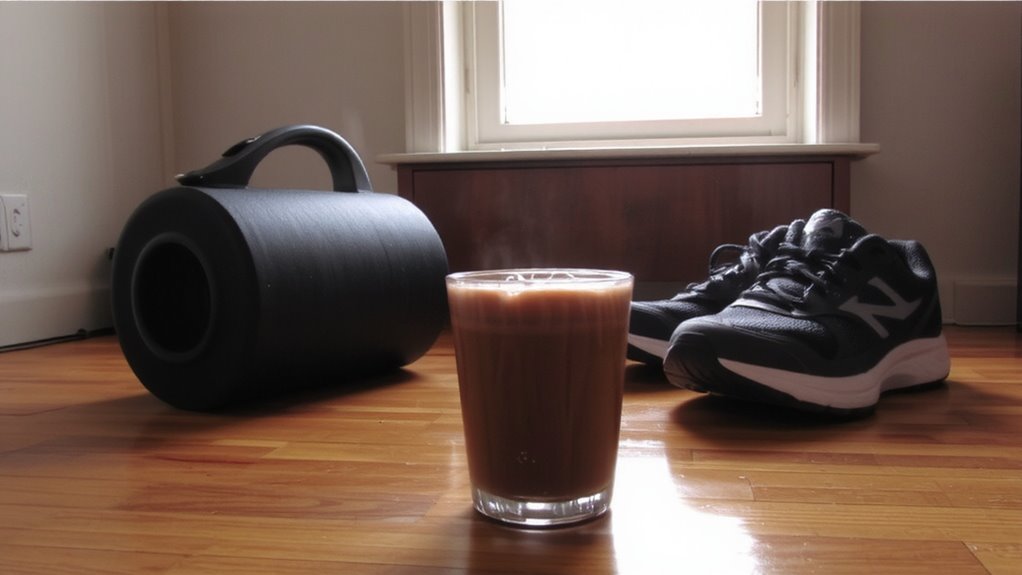
An ideal carb-to-protein ratio can make or break your recovery, and research consistently points to a 3:1 or 4:1 ratio as most effective for replenishing glycogen and jumpstarting muscle repair. You need carbs to restore energy, and protein to trigger protein synthesis-both are essential for recovery. Timing matters: consuming this ratio within 30 to 60 minutes post-exercise optimizes carb timing, enhancing glycogen storage and nutrient uptake. This window is critical because your muscles are most receptive then. Chocolate milk naturally delivers this balance, making it a practical, research-backed option. Unlike many recovery supplements that overpromise, its composition aligns with what your body actually needs. For athletes using fitness gear like heart rate monitors or recovery trackers, pairing data-driven training with smart nutrition boosts results. Skip the overly processed powders; focus on real food with proven ratios. Your recovery protocol should be as efficient as your workout.
How Chocolate Milk Repairs Muscles Overnight

While you’re asleep, your body works hard to repair muscle tissue broken down during exercise, and chocolate milk consumed post-workout can substantially influence this process. Its balanced blend of protein and carbs supports sustained muscle synthesis throughout the night. The casein in chocolate milk digests slowly, providing a steady release of amino acids that fuel overnight repair. This gradual supply is more effective than fast-digesting proteins when you won’t eat again for hours. Research shows chocolate milk boosts recovery nearly as well as specialized recovery drinks, making it a practical, affordable option. Unlike costly recovery supplements or high-maintenance gear, it’s simple to prepare and widely available. For consistent results, drink it within 30 minutes post-exercise. When paired with proper training and rest, chocolate milk becomes a reliable tool to enhance recovery, helping you wake up stronger and better prepared for your next session.
Can Chocolate Milk Help You Sleep?
You’ve just learned how chocolate milk supports muscle repair while you sleep, but what if it could also help you fall asleep more easily? Chocolate milk contains tryptophan, an amino acid that helps your body produce melatonin, the hormone responsible for regulating sleep. When you include it in your evening bedtime routine, it may improve both the onset and overall sleep quality. The small amount of sugar helps transport tryptophan to the brain more effectively, while the protein content keeps you satisfied, reducing nighttime wake-ups. Studies suggest that consuming a light, nutrient-balanced drink like chocolate milk about 30–60 minutes before bed can support relaxation and recovery. Though it’s not a standalone sleep aid, its nutritional profile makes it a practical addition to a consistent bedtime routine, especially after intense training sessions.
How to Choose the Best Recovery Chocolate Milk
If you’re aiming to maximize recovery after tough workouts, picking the right chocolate milk matters more than you might think. Look for a version with a balanced ratio of carbohydrates to protein-ideally around 3:1-to replenish glycogen and repair muscle. Check the ingredient list; fewer additives mean better digestibility and cleaner nutrition. While flavor options like mint or caramel can be appealing, stick to classic chocolate unless you’re certain the extra ingredients won’t upset your stomach post-exercise. Fat content should align with your dietary goals-low-fat works well for most. Don’t overlook packaging sustainability; brands using recyclable materials or reduced carbon-footprint distribution support both your health and the planet. Refrigerated cartons often preserve nutrients better than shelf-stable versions. Freshness impacts taste and quality, so always verify the expiration date. Choosing wisely guarantees your recovery drink performs as effectively as your fitness gear.
Best Times to Drink Chocolate Milk
Choosing the right chocolate milk sets the foundation for effective recovery, but timing plays just as big a role in how well your body bounces back. For morning hydration, a glass of chocolate milk kickstarts fluid balance and delivers protein to support muscle maintenance after overnight fasting. It’s not just about replenishment-this timing helps prime your metabolism early. Later, when fatigue starts creeping in, chocolate milk offers a natural boost in afternoon energy without the crash of sugary snacks. The blend of carbohydrates and protein sustains focus and physical readiness, especially if you’ve trained earlier in the day. You’ll also notice improved recovery when consumed within 30–60 minutes post-exercise, though pre-sleep intake has benefits too. Ultimately, syncing your chocolate milk intake with natural energy dips and recovery demands maximizes its effectiveness better than any recovery supplement gear can guarantee.
What Science Says About Chocolate Milk and Recovery
While it might seem surprising that a beverage often associated with school cafeterias could hold its own against high-end recovery supplements, research consistently shows chocolate milk delivers real benefits for post-exercise recovery. You get an ideal 3:1 carb-to-protein ratio, helping replenish glycogen and repair muscle. The dairy hydration it provides is superior to water alone, thanks to electrolytes like calcium and potassium. Plus, chocolate antioxidants from cocoa may reduce oxidative stress caused by intense training. Studies show athletes who drink chocolate milk after workouts experience less soreness and faster recovery than those using commercial sports drinks. It’s cost-effective, widely available, and doesn’t require extra gear. While specialized recovery tools have their place, chocolate milk stands out as a natural, scientifically supported option. You’re not sacrificing performance-you’re optimizing it with a simple, effective choice that supports both muscle recovery and overall hydration.
On a final note
You’re choosing chocolate milk not just for taste, but for its near-ideal 3:1 carb-to-protein ratio, which fuels glycogen restoration and supports muscle repair. It’s cost-effective, widely available, and performs comparably to commercial recovery drinks. While not a sleep aid per se, its tryptophan and carbs may aid relaxation. For practical, science-backed recovery-especially post-workout or before bed-it’s a solid choice, especially when whole nutrition matters more than engineered supplements.