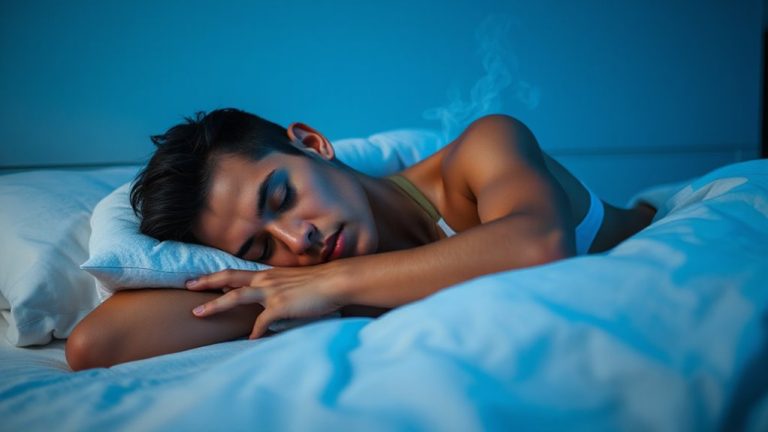
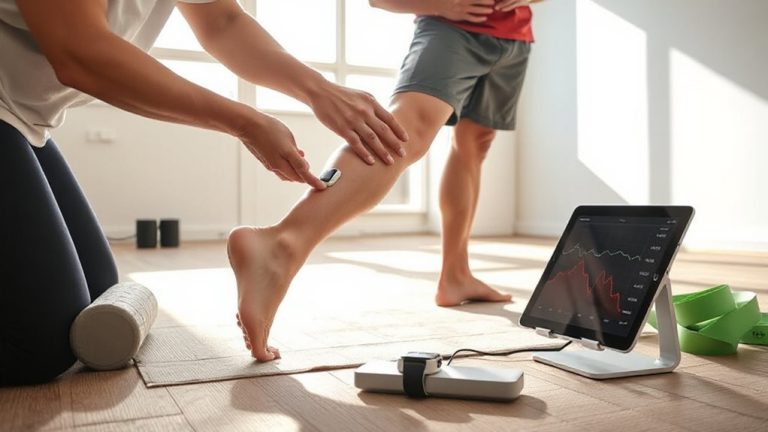
Using EEG-Integrated Sleep Headbands to Optimize REM Cycles for Neurological Recovery
You’re already optimizing physical recovery, but EEG-integrated sleep headbands take it further by targeting REM cycles essential for neural repair. These devices monitor brainwave activity in real time, identifying slow waves and sleep spindles linked to memory consolidation and cognitive restoration. With medical-grade sensors, they detect REM disruptions and may use gentle stimulation to stabilize sleep phases, supporting neuroplasticity after brain injury or during early neurodegenerative changes. Their real value lies in continuous, at-home tracking of sleep architecture-giving you actionable insights into brain recovery you won’t get from fitness wearables alone. There’s more to how they personalize recovery based on your nightly brain patterns.
Notable Insights
- EEG-integrated headbands monitor REM sleep phases critical for memory consolidation and neural repair.
- Real-time detection of brainwave patterns helps identify disruptions in REM cycles affecting recovery.
- Precise REM tracking supports neuroplasticity, aiding brain injury recovery and cognitive restoration.
- Closed-loop systems use EEG feedback to deliver stimuli that stabilize and enhance restorative REM sleep.
- Medical-grade sensors in headbands provide reliable, continuous sleep data for neurological health monitoring.
How EEG Sleep Headbands Work for Brain Recovery
Think of your brain as a high-performance engine-it needs proper rest to reset, repair, and run efficiently. EEG sleep headbands monitor electrical activity, detecting patterns like slow waves and sleep spindles linked to recovery. These devices use sensors to track brainwave synchronization, guaranteeing your neural oscillations align with restorative sleep stages. When coherence increases, cognitive resonance strengthens-meaning memory consolidation and mental clarity improve overnight. Most models pair with apps that analyze data, offering feedback to optimize bedtime routines. From a fitness recovery standpoint, this tech helps athletes fine-tune rest, supporting neuroplasticity and performance gains. While not medical devices, quality headbands deliver actionable insights with reasonable accuracy. Calibration matters, though-consistent wear and proper placement guarantee reliable readings. Over time, you can spot trends in deep sleep disruption or enhancement. Used wisely, EEG headbands become practical tools in a broader recovery strategy, merging neuroscience with everyday wellness.
Why Is REM Sleep Crucial for Neural Healing?
While deep sleep gets much of the credit for physical recovery, it’s during REM sleep that your brain does some of its most essential healing work. You’re not just resting-you’re reactivating memories and reinforcing neural pathways critical for cognitive function. This stage enables synaptic consolidation, where your brain strengthens important connections and prunes unnecessary ones, making room for new learning. Memory reactivation during REM helps integrate experiences into long-term storage, supporting emotional regulation and problem-solving skills. Without sufficient REM, your mental clarity and emotional resilience can decline. For those using EEG-integrated headbands, tracking these cycles isn’t just informative-it’s transformative. These devices offer insights into how well your brain recovers nightly, giving you actionable data to improve sleep quality. While not medical tools, they serve as practical allies in optimizing one of your body’s most crucial repair processes.
How EEG Tracks and Supports Recovery During Sleep
Your brain’s electrical activity tells a story every night-one that EEG-integrated sleep headbands are now able to read with surprising accuracy. These devices detect brain waves in real time, distinguishing between sleep stages by analyzing frequency and amplitude patterns. As you drift into deep sleep and REM, the headband monitors shifts in neural synchronization, a key indicator of restorative brain function. During recovery, especially after neurological stress, consistent neural synchronization supports memory consolidation and cognitive repair. The EEG data allows the device to identify disruptions, like fragmented REM cycles, which may hinder healing. While consumer-grade sensors aren’t as precise as clinical EEGs, their convenience and continuous tracking offer practical insights for long-term recovery monitoring. When paired with personalized feedback, these headbands help you adjust sleep habits effectively. They’re not medical tools, but as fitness recovery gear, their value lies in promoting awareness and optimizing sleep architecture through actionable brain wave trends.
What Features Matter Most for Brain Injury Recovery
Recovery hinges on consistency, and when it comes to brain injury rehabilitation, not all sleep tech delivers equal value. You need EEG-integrated headbands that prioritize precision in REM detection, since that’s when neuroplasticity enhancement peaks. Look for devices with medical-grade sensors that track sleep architecture in real time, adjusting audio or haptic feedback to stabilize deep REM phases. These features directly support cognitive restoration by reinforcing learning and memory consolidation overnight. Closed-loop stimulation systems-those responding dynamically to your brainwave shifts-show stronger outcomes than passive models. Comfort matters too; a poorly fitting band disrupts sleep, counteracting any benefits. Battery life, ease of use, and data integration with clinical apps also influence long-term adherence. Ultimately, you’re not just buying hardware-you’re investing in a tool that, when properly designed, actively guides your brain toward healing. The right features make all the difference.
Do EEG Headbands Help With Neurodegenerative Conditions?
Could a sleep headband actually slow cognitive decline? Emerging research suggests EEG-integrated models may support neural plasticity during REM sleep, which is vital for brain repair. By monitoring your brainwaves in real time, these devices detect disruptions linked to early neurodegeneration. Some deliver subtle auditory or vibrational cues to stabilize sleep phases, potentially reinforcing memory consolidation. While not a cure, consistent use might help maintain cognitive function longer, especially when paired with other therapies. The evidence isn’t conclusive yet, but trials show users experience improved sleep quality-a known buffer against cognitive decline. Devices with medical-grade sensors offer more reliable data, making them better suited for long-term neurological monitoring. You’ll want one with strong clinical backing and seamless integration into nightly routines. Though limitations exist, the potential to influence neural plasticity during sleep makes these headbands a promising, non-invasive tool in managing degenerative conditions.
How to Use Your Headband for Maximum Recovery Benefits
Wearing an EEG-integrated sleep headband regularly may do more than track brain activity-it can amplify recovery when used strategically. To get the most out of your device, wear it consistently each night to build accurate neural baselines. Sync it with your Sleep Diary to identify patterns in REM duration and disruptions, helping tailor sleep hygiene adjustments. Use the Smart Alarm feature to wake during lighter sleep stages, reducing grogginess and supporting cognitive clarity. Position the headband properly-tight enough for sensor contact but comfortable for long-term wear. Clean the EEG pads weekly to maintain signal quality. Pair data insights with lifestyle factors like hydration, stress, and exercise timing. While the headband isn’t a cure-all, its real-time feedback loop enhances recovery awareness. Used wisely, it becomes a practical tool in neurological and fitness recovery, blending tech precision with actionable health strategy.
On a final note
You’re likely to see real benefits from EEG-integrated sleep headbands if you prioritize neural recovery, especially after brain injury or during neurodegenerative conditions. These devices accurately track REM cycles-critical for memory consolidation and brain repair-and offer feedback to improve sleep quality. While not medical cures, models with medical-grade sensors, responsive apps, and consistent calibration provide actionable insights. Used daily, they become valuable tools in a broader, science-based recovery plan.