Strategies for Enhancing Central Nervous System Recovery Through the Use of Neurofeedback
You can boost central nervous system recovery by using neurofeedback to retrain disrupted brainwave patterns and support neuroplasticity. Real-time feedback helps repair neural pathways, especially when protocols are tailored to your specific needs using qEEG data. Training sensorimotor rhythms or alpha-theta states improves motor control and cognitive function. Consistent sessions enhance focus, reduce mental fatigue, and strengthen brain communication-results often become clear within weeks. Adjusting protocols as you progress guarantees continued gains. There’s more to uncover about fine-tuning your approach for long-term success.
Notable Insights
- Use real-time neurofeedback to enhance neuroplasticity and retrain disrupted neural circuits after CNS injury.
- Tailor neurofeedback protocols using qEEG data to target specific cognitive and motor deficits post-injury.
- Apply SMR and alpha-theta training to improve neural synchronization and restore balanced brain activity.
- Combine motor imagery with neurofeedback to activate the sensorimotor cortex and support motor recovery.
- Track progress weekly and adjust protocols to maintain gains and address evolving neural rehabilitation needs.
How Neurofeedback Repairs Neural Pathways After CNS Injury
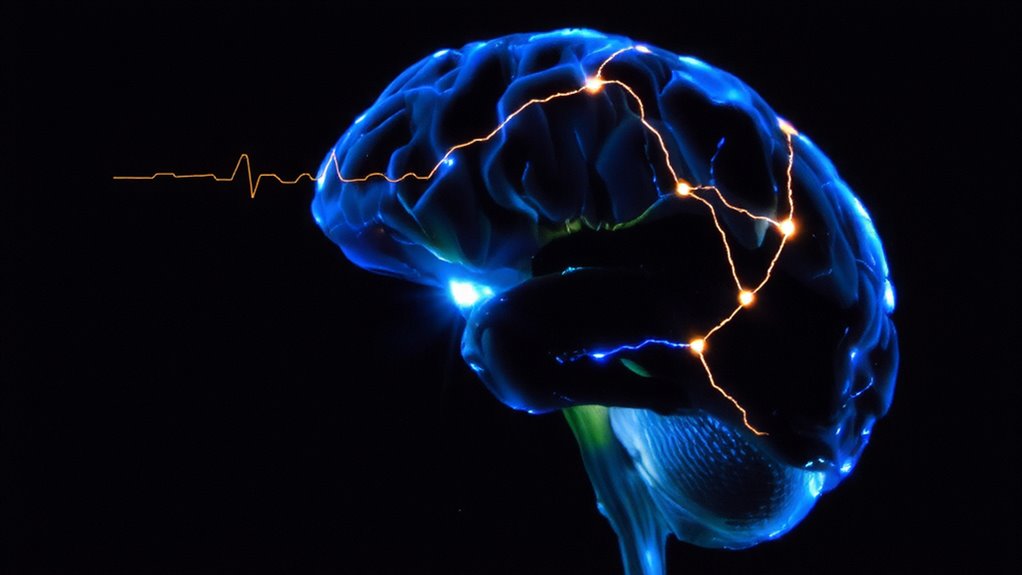
While your brain is actively recovering from a central nervous system (CNS) injury, neurofeedback steps in as a targeted tool to help retrain disrupted neural circuits. You’re fundamentally guiding your brainwaves toward healthier patterns using real-time feedback, which supports neuroplasticity enhancement-your brain’s ability to reorganize and form new connections. This isn’t passive healing; it’s active participation in your recovery. Studies show neurofeedback promotes synaptic regeneration, helping rebuild communication pathways among neurons damaged by injury. Unlike generic interventions, it adapts to your brain’s unique rhythms, offering precise, measurable outcomes. Though results vary, consistent sessions often yield improved focus, mood, and cognitive processing. It won’t replace rehabilitation, but it complements physical and cognitive therapies effectively. For you, this could mean greater control over recovery milestones. Neurofeedback doesn’t just monitor function-it helps reshape it, making it a strong candidate in modern CNS recovery strategies where precision and adaptability matter most.
Choose the Right Neurofeedback Protocol for Brain Injury
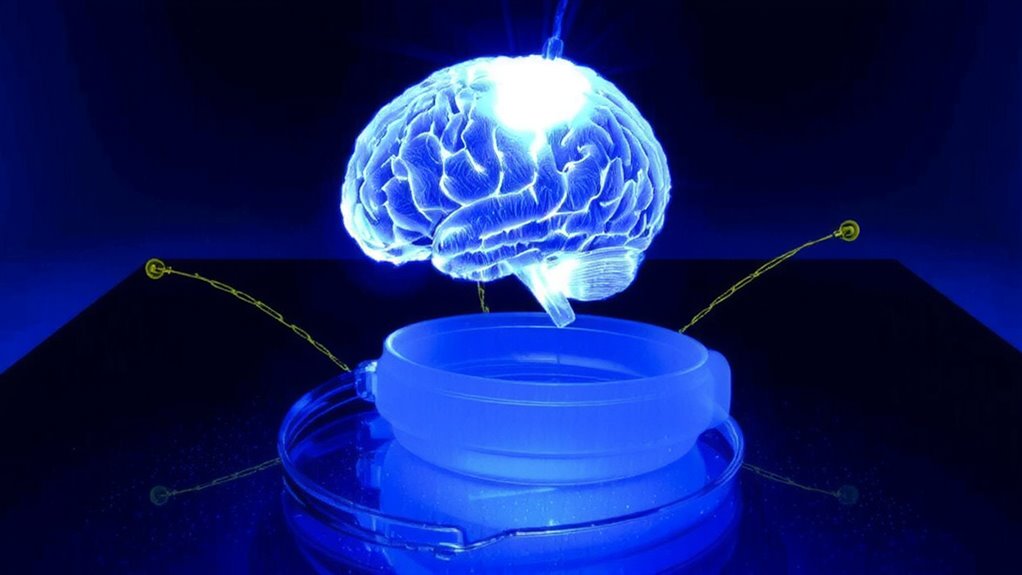
How do you guarantee your neurofeedback protocol actually supports recovery after a brain injury? You start by selecting one tailored to your specific cognitive and neurological needs. Not all protocols offer the same results-effective brainwave optimization is key. You’ll want one that promotes neural synchronization, helping different brain regions communicate more efficiently. Protocols like SMR or alpha-theta training have shown promise in restoring balanced activity, especially when guided by quantitative EEG data. You’re not just retraining brainwaves-you’re rebuilding functional networks. Without proper customization, you risk reinforcing maladaptive patterns. Always prioritize evidence-based approaches over generic setups. Clinician expertise matters, as does consistent feedback during sessions. A well-chosen protocol won’t just track progress; it actively drives recovery by aligning brainwave activity with healthier, more coherent rhythms over time.
Retrain Motor Control Using Neurofeedback
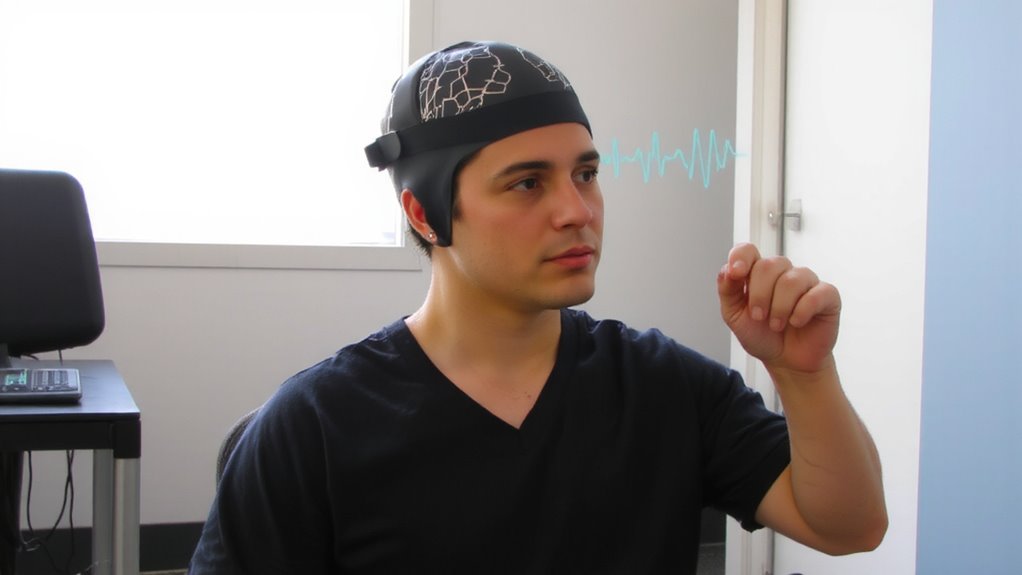
Since motor deficits are common after CNS injury, neurofeedback offers a targeted way to retrain movement control by reinforcing brainwave patterns linked to motor planning and execution. You can use motor imagery-mentally rehearsing movements without physically performing them-to activate the sensorimotor cortex. Neurofeedback makes this process visible, rewarding desired brain activity in real time. This strengthens neural plasticity, allowing your brain to rewire and improve motor output over time. Consistent training helps restore voluntary control, especially when paired with physical therapy.
| Emotion | Outcome |
|---|---|
| Frustration | “I can’t move my hand like before” |
| Hope | “I felt my fingers twitch during imagery” |
| Triumph | “I lifted a cup on my own again” |
You’re not just imagining progress-you’re training your brain to make it real.
Improve Cognitive Function With Neurofeedback
What if you could sharpen your focus or restore mental clarity after a CNS injury just by seeing your brainwaves in real time? Neurofeedback makes this possible, offering a path to cognitive enhancement by training your brain to regulate activity more efficiently. You learn to sustain attention, reduce mental fatigue, and improve processing speed-all critical for regaining daily function. Clinical studies show consistent gains in mental clarity, especially in patients recovering from concussion or stroke. Unlike passive therapies, neurofeedback actively engages your brain, reinforcing healthier patterns through real-time feedback. Although results vary, most users report noticeable improvements within weeks. It’s not a quick fix, but with commitment, it supports lasting gains. Equipment is user-friendly, often involving simple scalp sensors and visual displays. While not a standalone solution, it’s a powerful tool when integrated into a broader CNS recovery plan.
Track Progress and Adjust Your Neurofeedback Plan
| Week | Focus Level | Emotional State |
|---|---|---|
| 1 | Low | Overwhelmed |
| 4 | Medium | Hopeful |
| 8 | High | Confident |
This table reflects common emotional shifts many report. Seeing improvement reinforces commitment. Adjust protocols if progress plateaus-your brain’s needs evolve. With structured tracking, you’re not guessing-you’re guiding recovery with evidence.
On a final note
You’ve seen how neurofeedback sharpens brain recovery by reinforcing neural plasticity after CNS injury. When you choose the right protocol, you target specific deficits-motor control, cognition-with precision. Regular sessions retrain networks, improving real-world function. Progress tracking guarantees adaptation and effectiveness. While not a standalone fix, it’s a potent tool within a broader rehab plan. For fitness recovery, integrating neurofeedback with proper gear boosts outcomes, blending neuroscience with practicality to support lasting CNS healing.