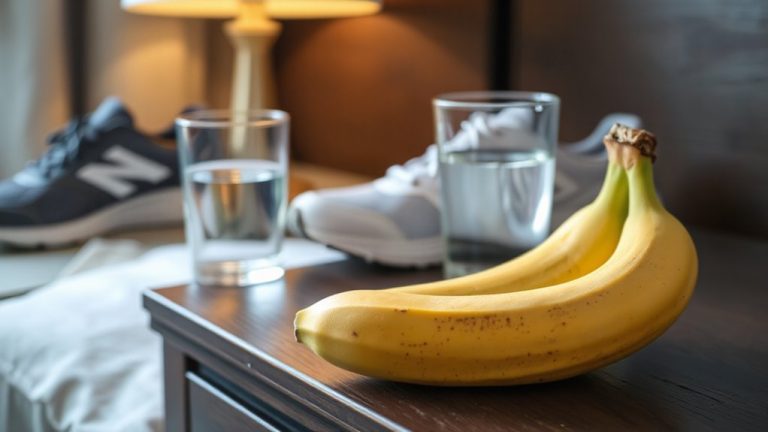
Why Consistent Sleep Schedules Are Critical for Bone Healing in Injured Athletes
Your consistent sleep schedule fuels deep sleep, where growth hormone surges-boosting bone repair by up to 300% and directing stem cells to injury sites. Circadian alignment optimizes healing timing, enhancing callus formation and mineral deposition. Without it, recovery slows, inflammation rises, and pain sensitivity worsens. Even recovery gear can’t fix poor sleep. Stick to a regular bedtime, prioritize seven to nine hours, and you’ll support the cellular work that rebuilds bone-everything else follows from that.
Notable Insights
- Consistent sleep schedules align bone repair with circadian rhythms, optimizing growth hormone and melatonin release.
- Deep sleep triggered by regular sleep timing enhances stem cell activity for bone tissue regeneration.
- Stable sleep patterns increase restorative deep sleep, when cellular repair and waste clearance peak.
- Sleep consistency reduces inflammation and supports efficient metabolic cleanup during healing.
- Irregular sleep disrupts hormonal balance, weakening callus formation and delaying recovery in injured athletes.
How Deep Sleep Repairs Injured Bone Tissue
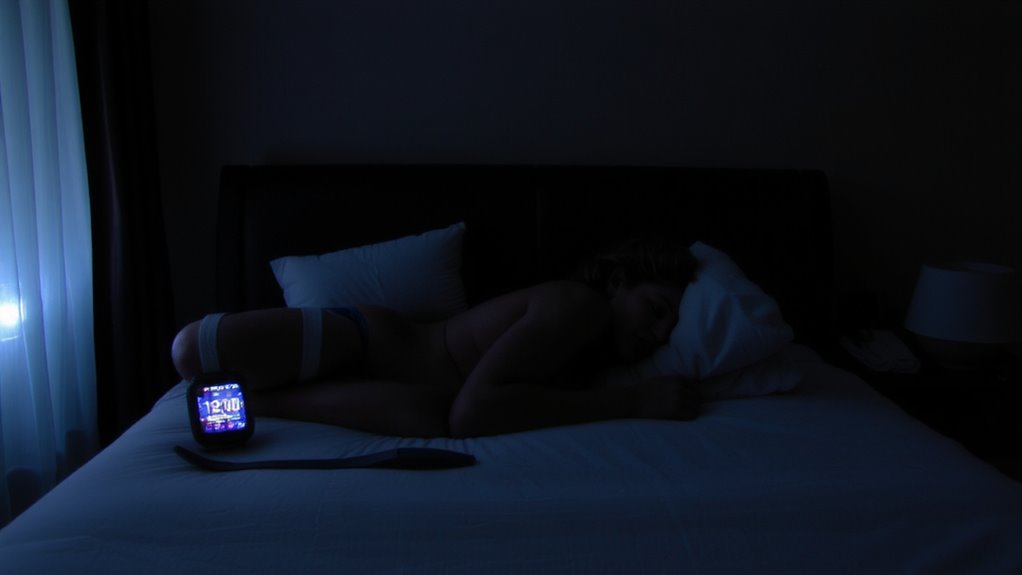
While you’re focused on recovery after a bone injury, deep sleep plays a critical role in actually repairing the damage, and skipping out on consistent, quality rest can slow the healing process more than most realize. During deep sleep, your body ramps up bone regeneration by releasing growth hormone, which signals stem cells to migrate to the injury site and form new bone tissue. This phase is also when cellular repair peaks-damaged cells are replaced, inflammation is modulated, and metabolic waste is cleared. Without sufficient deep sleep, these processes become inefficient, delaying recovery. Athletes using recovery gear like compression devices or cooling systems may see enhanced results, but none replace the biological necessity of deep rest. Prioritizing sleep quality isn’t just supportive-it’s foundational. Skimping on it undermines even the most advanced recovery protocols, making deep sleep the most effective, no-cost tool you already have.
Why A Regular Sleep Schedule Speeds Recovery
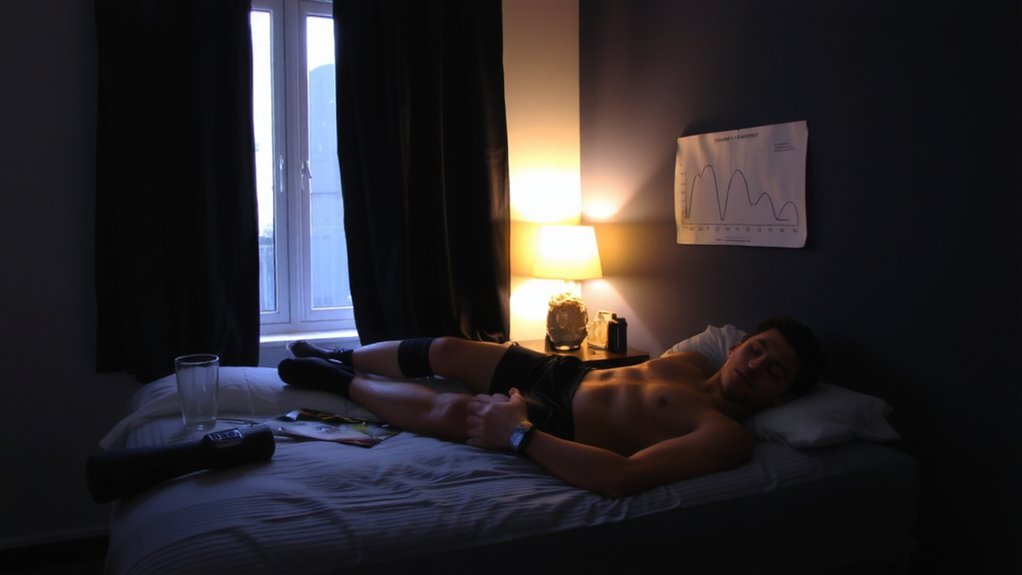
Because your body’s repair systems rely on predictable rhythms, sticking to a regular sleep schedule actually boosts bone recovery by aligning key biological processes with your natural circadian clock. Circadian alignment guarantees hormone release, like growth hormone and melatonin, peaks at ideal times to support tissue regeneration. When you go to bed and wake up at the same time daily, you strengthen sleep continuity, reducing disruptions that hinder deep, restorative phases. This consistency makes your sleep more efficient, meaning you spend less time tossing and turning and more time healing. Injured athletes who maintain stable sleep patterns often see faster callus formation and improved mineral deposition in bone. Unlike sporadic rest, a fixed routine enhances metabolic cleanup and inflammatory regulation-both critical for recovery. You don’t need fitness gear to fix this; just discipline. Your skeleton heals better when you respect rhythm over randomness.
What Happens When Injured Athletes Lose Sleep
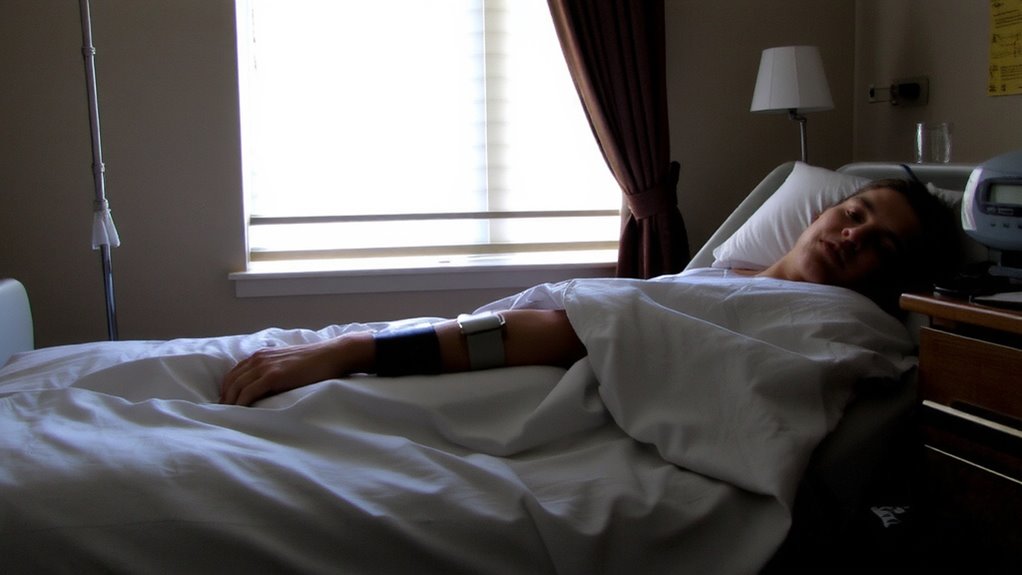
How many nights can you afford to lose before your fracture starts healing slower? Not many. When you skimp on sleep, your body’s repair systems slow down, directly delaying bone regeneration. Without consistent rest, growth hormone release-critical for mending tissue-becomes erratic. You’re not just fighting physical strain; emotional stress spikes, making recovery feel harder and patience thinner. That stress feeds into pain cycles, where discomfort disrupts sleep, which in turn heightens pain sensitivity. It’s a loop that undermines healing at a cellular level. Injured athletes who cut corners on sleep often report prolonged soreness, weaker callus formation, and frustration in progress. Even the best recovery gear-compression sleeves, elevation pillows-won’t compensate for lost Z’s. Your skeleton doesn’t repair during the day; it rebuilds when you’re offline. Skimp on sleep, and you’re fundamentally halting the process you’re training to recover from.
Sleep Habits That Speed Bone Healing
If you’re serious about accelerating bone healing, nailing down consistent, high-quality sleep is non-negotiable-and small tweaks to your habits can make a measurable difference. Aim for ideal timing by going to bed and waking up at the same time daily, even on weekends, which stabilizes circadian rhythms linked to tissue repair. Prioritize seven to nine hours, when growth hormone release peaks, supporting bone remodeling. Combine this with healing nutrition-think protein, vitamin D, and calcium-consumed a few hours before bed to fuel overnight recovery. Avoid screens an hour before sleep to enhance melatonin production. Use breathable bedding and keep your room cool, around 65°F, to maintain sleep continuity. These habits aren’t just supportive-they’re performance-grade recovery tools. When applied consistently, they work synergistically, transforming rest into an active phase of repair.
Common Sleep Mistakes That Slow Recovery
Why do some people struggle to heal, even when following all the right steps? You might be making common sleep mistakes that undermine recovery. Staying up late or waking at different times daily disrupts circadian rhythms, slowing tissue repair. Poor sleep quality reduces growth hormone release, essential for bone regeneration. Even if you eat the right nutrients, poor diet choices and irregular meal timing can further impair this process-your body needs consistency in energy and micronutrient supply to rebuild bone effectively. You may not realize that consuming caffeine or heavy meals late at night affects sleep depth, directly impacting recovery efficiency. Using fitness recovery gear like compression devices or cooling mats won’t compensate for these foundational errors. Without aligning your sleep and eating patterns, you’re working against your body’s natural repair systems, delaying healing despite apparent efforts.
Build A Sleep Schedule That Supports Healing
What if the key to faster bone healing isn’t another supplement or high-tech recovery gadget, but something as fundamental as your bedtime? You can optimize recovery by stabilizing your sleep timing-going to bed and waking up at the same time every day, even on weekends. This consistency strengthens circadian rhythms, which regulate hormone release vital for tissue repair. Pair that with an ideal sleep environment: cool, dark, and quiet, free from blue light and distractions. Use blackout curtains, white noise machines, or earplugs if needed. Your body repairs bone most efficiently during deep, uninterrupted sleep, so consistency in both sleep timing and environment isn’t optional-it’s essential. While recovery gadgets have their place, none override the foundational role of disciplined sleep hygiene. Prioritize it like you would nutrition or physical therapy, because without proper rest, even the best fitness gear won’t speed up healing.
On a final note
You heal faster when your sleep schedule is consistent because deep sleep triggers growth hormone release, essential for bone repair. Irregular patterns disrupt this cycle, slowing recovery. Using fitness recovery gear like compression sleeves or sleep-tracking devices helps monitor progress and optimize rest. Smart habits-cool, dark rooms and fixed bedtimes-support healing. Avoid screens and caffeine late, as they hinder sleep quality. You’ll see better results when routine and recovery tools work together.