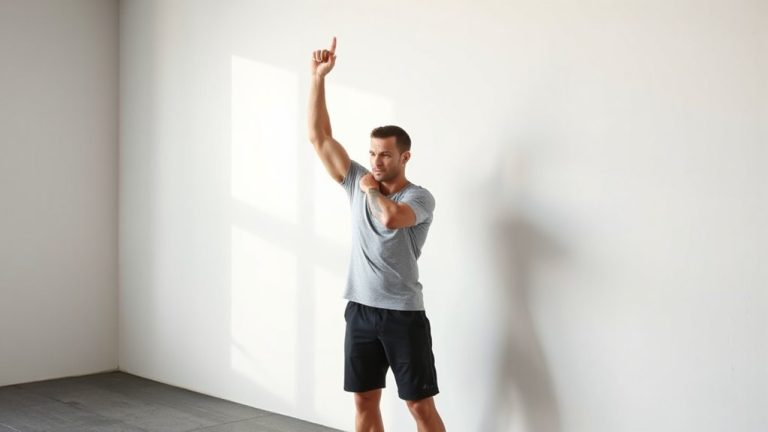
How Sleep Quality Impacts Muscle Regeneration in Athletes Recovering From Strains
You’re not repairing strained muscles effectively if your sleep quality is poor-deep, uninterrupted cycles are when your body releases growth hormone to rebuild tissue. Even with top-tier recovery gear, without solid slow-wave sleep, protein synthesis drops and cortisol stays high, slowing healing. Fragmented or light sleep won’t cut it; you need 60–90 minutes of deep sleep nightly for real regeneration. Clean sleep cycles beat sheer duration. Optimizing your environment and routine is non-negotiable for full recovery-and what comes next could change how you heal.
Notable Insights
- Poor sleep quality reduces protein synthesis, impairing muscle repair and slowing recovery from strains.
- Deep sleep drives growth hormone release, which is essential for muscle tissue regeneration and healing.
- Fragmented or light sleep prevents adequate time in restorative N3 sleep, limiting muscle recovery.
- Elevated cortisol from poor sleep increases inflammation and delays healing in strained muscles.
- Wearables and consistent sleep routines improve sleep quality, enhancing muscle regeneration in athletes.
Why Skimping on Sleep Slows Muscle Recovery

While you’re focused on intense training and high-performance gear, skimping on sleep might undermine your muscle recovery more than you realize. You push your body hard, but without sufficient rest, your muscles can’t repair effectively. Sleep deprivation leads to reduced protein synthesis, meaning your body produces fewer proteins needed for muscle repair and growth. At the same time, it causes an impaired hormone balance-cortisol increases while growth hormone and testosterone decrease-further slowing recovery. Even the most advanced recovery tools, like compression sleeves or cryotherapy devices, can’t fully compensate for poor sleep. These tools support recovery, but they depend on biological processes optimized during rest. Ignoring sleep disrupts this foundation. You might recover technically, but not efficiently or completely. So while your gear enhances performance, sleep remains the non-negotiable element. Prioritize it, or risk undermining every other recovery strategy you use.
How Deep Sleep Heals Broken Muscle Tissue

How does your body actually repair muscle tissue after a grueling workout? During deep sleep, your pituitary gland releases growth hormone, which directly stimulates muscle repair and accelerates tissue regeneration. This phase of sleep-specifically slow-wave sleep-is when your body’s metabolic and cellular activity peaks to mend strained fibers. Without sufficient deep sleep, this natural recovery process falters, undermining athletic gains.
| Sleep Stage | Role in Recovery |
|---|---|
| N1 (Light) | Minimal repair activity |
| N2 (Light) | Prepares body for deep sleep |
| N3 (Deep) | Peak hormone release, tissue regeneration |
| REM | Supports neural recovery, not muscle repair |
You need at least 60–90 minutes of uninterrupted deep sleep per cycle for ideal muscle repair. Quality sleep isn’t passive-it’s your most effective recovery “gear,” working silently to rebuild stronger, resilient muscle tissue.
How Poor Sleep Increases Re-Injury Risk
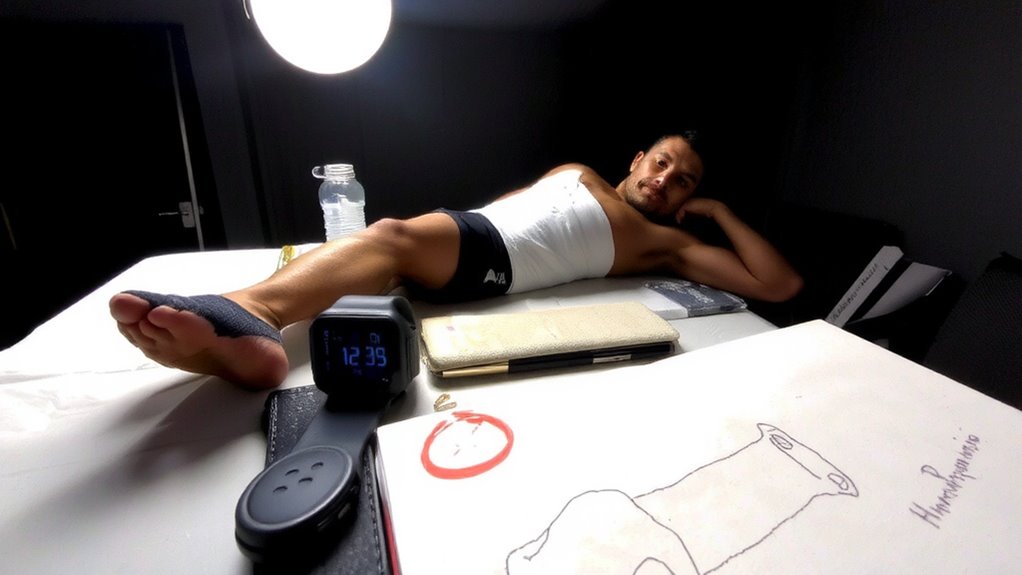
You’ve just learned how deep sleep drives muscle repair through growth hormone release and cellular regeneration, but skimping on sleep doesn’t just slow recovery-it actively raises your risk of re-injury. When you’re sleep-deprived, your muscles don’t fully recover, leading to persistent muscle fatigue that reduces strength and coordination. That tiredness isn’t just physical-your nervous system imbalance impairs signal speed and motor control, making your movements sluggish and less precise. These changes mean your body can’t stabilize joints or respond to sudden shifts, increasing strain likelihood during training or competition. Even light workouts become risky when your system’s still compromised. Athletes who cut sleep often push through subtle weaknesses they don’t even notice-until it’s too late. Quality rest isn’t passive; it’s a key part of injury prevention. Skimping on it? That’s like training with faulty gear-eventually, something breaks.
Sleep Quality vs. Duration: What Injured Athletes Need
Recovery isn’t just about clocking eight hours-it’s about the quality of those hours, especially when you’re healing. You might log enough time in bed, but if your sleep is fragmented or light, your body misses critical windows for muscle repair. Deep, restorative sleep drives growth hormone release, essential for tissue recovery, and that depends more on sleep quality than duration alone. Your sleep environment plays a key role-keep the room cool, dark, and quiet to support uninterrupted cycles. Stress management is equally essential; high cortisol levels disrupt sleep architecture and slow healing. Techniques like mindfulness or controlled breathing can stabilize your nervous system before bed. While fitness gear like recovery trackers or cooling pillows may help, they’re only useful if they improve actual sleep quality. Focus on consistency, environment, and mental calm-not just hours-to give your muscles the conditions they need to regenerate effectively.
Sleep Better to Heal Faster: 5 Recovery Habits
Why do some athletes bounce back from injury faster than others, even with similar treatment plans? It often comes down to recovery habits, especially sleep quality. You can boost healing by optimizing your sleep environment-keep the room cool, dark, and quiet, using blackout curtains and minimizing blue light. Consistency matters, so stick to a bedtime routine that signals your body it’s time to wind down. This could include light stretching, reading, or mindfulness. These habits support deeper, more restorative sleep, which enhances muscle regeneration. Pairing smart recovery behaviors with quality rest amplifies repair processes. Unlike fitness gear, which supports performance, these habits directly influence recovery at a physiological level. Small, daily choices in your routine and surroundings don’t just improve sleep-they help you heal smarter and return stronger.
Use Wearables to Track Recovery Sleep
While traditional recovery methods rely on subjective feedback, today’s athletes have access to objective data through wearable sleep trackers that monitor key physiological markers during rest. You can now track sleep stages, heart rate variability, and nocturnal movement, all tied to muscle recovery. Devices from brands like Whoop or Garmin offer insights into your recovery sleep, helping optimize regeneration. But you should consider data accuracy-while useful, readings aren’t medical-grade and can vary between models. Sensor limitations, such as skin tone interference or inconsistent band fit, may skew results. Still, when used consistently, wearables deliver trends you can act on. They’re not perfect, but they improve self-awareness. Pairing tracker data with how you feel creates a clearer recovery picture. Think of them as tools, not replacements for professional guidance. Used wisely, they support smarter training and healing decisions.
On a final note
You need quality sleep to rebuild muscle after a strain-deep sleep phases trigger growth hormone release, aiding tissue repair. Without it, inflammation rises and recovery slows, increasing re-injury risk. Duration matters, but uninterrupted, restorative sleep is essential for healing. Wearables can track sleep stages and help optimize routines. Simple habits like consistent bedtimes and reducing screen time boost recovery. Sleep isn’t downtime-it’s when your body repairs best.