Kinesthetic Alignment Checks During Long-Duration Rowing for Pelvic Neutrality
Anchor your sit bones evenly on the seat and gently engage your lower abs to maintain pelvic neutrality throughout the stroke. Use kinesthetic cues like “sit tall, tailbone down” at the catch and “push from heels, brace low” during the drive to prevent drift. Sync your breath-inhale on recovery, exhale on drive-to boost core stability. Over long durations, fatigue challenges alignment, so periodically reset your pelvic position. Consistent checks preserve spinal health and stroke efficiency-small adjustments make a measurable difference over time, especially when intensity rises.
Notable Insights
- Press sit bones evenly into the seat to maintain pelvic neutrality throughout the stroke cycle.
- Engage the lower abs gently to support a neutral pelvis without over-tucking or arching.
- Use verbal cues like “tailbone down” at the catch to prevent anterior pelvic tilt.
- Exhale during the drive to activate the core and stabilize the pelvis.
- Periodically check for even foot pressure to avoid pelvic drift caused by muscle fatigue.
Find Your Neutral Pelvis on the Seat
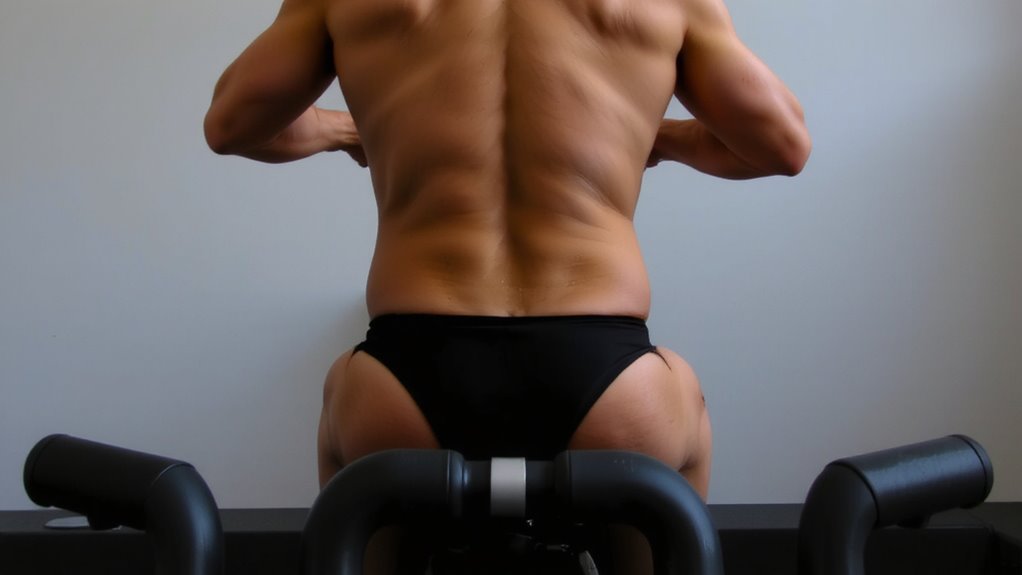
Why does your pelvis feel unstable the moment you sit on the rowing machine? Because most rowers lack pelvic awareness and default to slumped or tilted positions. Finding your neutral pelvis starts with mindfulness-press your sit bones firmly into the seat and gently engage your lower abs. You shouldn’t arch or tuck your pelvis, but let it rest where spine and pelvis align naturally. This ideal seated posture reduces strain on your lower back and boosts stroke efficiency. Without it, even the best rowing machine-like those from Concept2 with their ergonomic seats-can’t fix poor mechanics. Consistent pelvic positioning enhances kinesthetic feedback, helping maintain form over long sessions. Quality rowing gear supports this, but doesn’t replace the need for body literacy. You must actively develop pelvic awareness; it’s foundational. Once mastered, it improves comfort, power transfer, and recovery, especially during endurance training when fatigue dulls precision. A top-tier machine can enhance this process by offering superior ergonomic design that complements proper pelvic alignment.
Check Pelvic Alignment During the Stroke

While you’re moving through the stroke cycle, keeping track of your pelvis isn’t just helpful-it’s essential for maintaining efficient, injury-free rowing. As you catch and drive, uneven foot pressure can tilt your pelvis, pulling you out of neutrality. Focus on distributing pressure evenly across both feet; this stabilizes your base and supports proper spine rotation. Excessive rotation often means you’re compensating for pelvic misalignment, increasing strain on your lower back. You should feel controlled torso engagement, not twisting from the spine. Throughout the stroke, periodically scan for pelvic position-your sit bones should remain oriented downward, not tucked or flared. Maintaining this alignment reduces wear on joints and connective tissues, especially during long sessions. Rowing-specific seat designs can aid awareness, but nothing replaces kinesthetic feedback. Build this check into every stroke, and you’ll preserve form, power, and joint health over time.
Sync Breath With Pelvic Position

How often do you consider whether your breath supports your pelvic alignment during the rowing stroke? Proper breath timing isn’t just about stamina-it directly influences pelvic stability. When you inhale during the recovery phase and exhale through the drive, you create intra-abdominal pressure that helps maintain a neutral pelvis. Without this coordination, you’re more likely to lose pelvic neutrality, especially during high-fatigue intervals. The key is syncing breath with posture rhythm to reinforce core engagement naturally. You’re not just moving oxygen; you’re stabilizing your foundation. This deliberate pattern-breathing in sync with stroke mechanics-supports endurance and reduces compensatory strain. Fitness recovery isn’t just post-workout; it starts with real-time neuromuscular control. Using breath as a structural tool improves stroke efficiency and spares connective tissues. It’s subtle, but mastering breath timing enhances both performance and long-term joint health.
Fix Anterior and Posterior Pelvic Tilt
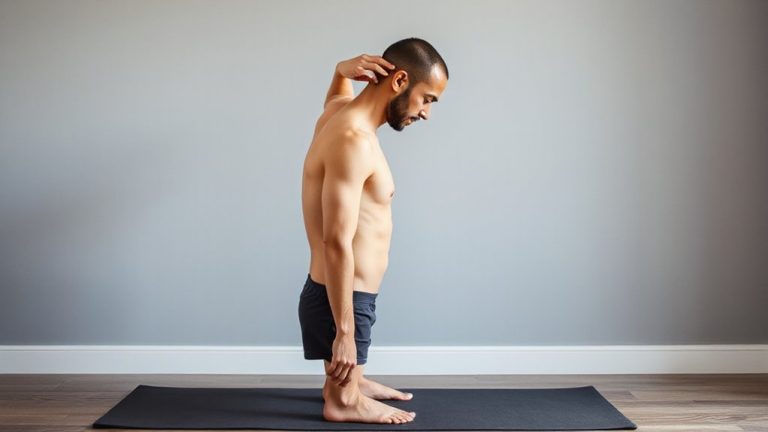
Pelvic tilt issues often stem from imbalanced muscle activation and poor movement awareness, especially under repetitive load. You’re likely letting your hips rock forward or tuck under without realizing it, which compromises pelvic stability and strains your lower back over time. Anterior tilt often results from tight hip flexors and weak glutes, while posterior tilt comes from overactive hamstrings and underused core muscles. To correct both, you need targeted drills that reinforce neutral alignment. Engage your transverse abdominis gently and distribute effort across your posterior chain. Developing muscular endurance is key-short bursts won’t cut it during long rows. Use kinesthetic cues like imagining a level tray on your pelvis to maintain position. Consistent practice improves neuromuscular control, making pelvic neutrality automatic. Over time, this reduces fatigue, enhances stroke efficiency, and protects joint health. Your rowing technique depends on these small, sustained adjustments.
Stop Pelvic Drift on Long Rows
You’ve worked to stabilize your pelvis in neutral alignment, but maintaining that position over the duration of a long rowing session introduces a new challenge-preventing pelvic drift. Without consistent hip engagement and spinal stacking, subtle shifts accumulate, compromising form and efficiency. Use periodic kinesthetic checks to catch deviations before fatigue amplifies them.
| Phase | Pelvic Position | Key Cue |
|---|---|---|
| Catch | Neutral, engaged hips | “Sit tall, tailbone down” |
| Drive | Stable, stacked spine | “Push from heels, brace low” |
| Recovery | Controlled glide | “Lengthen, don’t collapse” |
Maintaining alignment isn’t passive-it requires active hip engagement and mindful spinal stacking throughout each stroke. Over time, fatigue pulls you toward drift, but disciplined technique preserves pelvic neutrality. Think of your core as a stabilizing column, not a rigid brace. This isn’t just about performance; it’s about injury prevention and sustainable training longevity.
On a final note
You’ve felt how subtle shifts matter, and now you know: maintaining pelvic neutrality isn’t optional-it’s essential. Kinesthetic checks keep alignment honest over hours, reducing wear and enhancing efficiency. Breath-synchronized control prevents tilt drift, while proper seat contact supports recovery. Quality rowing gear aids, but awareness drives results. Over time, this discipline slashes fatigue, improves posture, and extends training longevity. You’re not just rowing farther-you’re moving smarter, with purpose backed by biomechanics.