How Sleep Facilitates Central Nervous System Recovery After High-Intensity Training
Your CNS takes a hard hit during intense training, and only quality sleep fully restores it. Deep sleep activates the glymphatic system, clearing metabolic waste like beta-amyloid and reducing neural inflammation. REM sleep then refines motor skills, boosting reaction time and coordination. Without both phases, neurotransmitter depletion and slowed nerve signaling impair performance. No supplement or recovery gear replaces this biological reset-consistent, undisturbed sleep does. Optimizing your nightly routine is the most effective way to guarantee your nervous system rebounds stronger.
Notable Insights
- Deep sleep activates the glymphatic system, clearing neural waste and supporting CNS recovery after intense training.
- REM sleep consolidates motor skills, refining neural pathways for improved coordination and reaction time.
- Slow-digesting protein before bed provides amino acids needed for overnight nervous system repair.
- Consistent sleep schedules enhance circadian rhythms, promoting higher-quality deep and REM sleep.
- Poor sleep impairs motor control and increases injury risk due to incomplete CNS recovery and neural misfiring.
Why Your CNS Needs Recovery After Hard Workouts
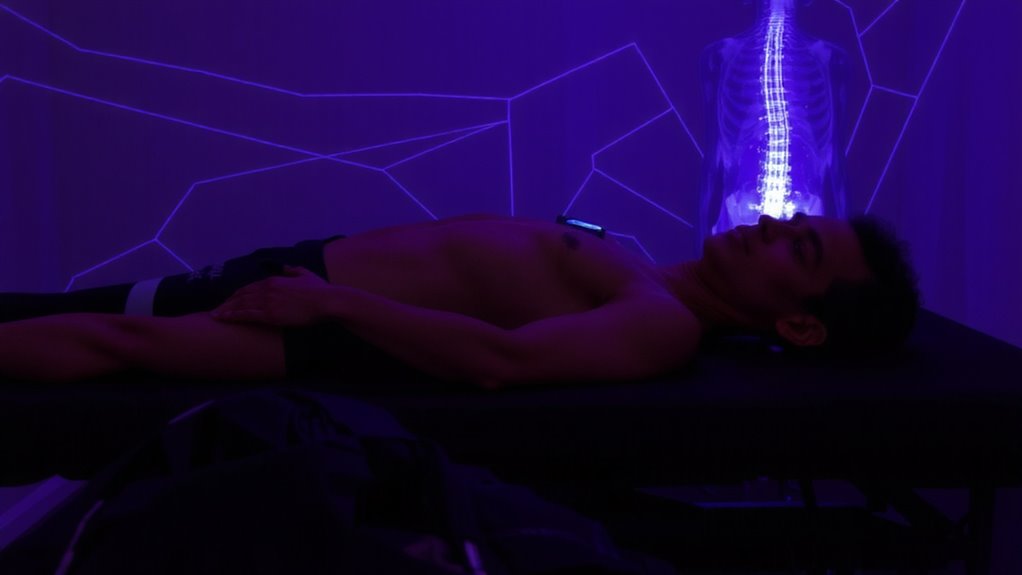
Your central nervous system (CNS) is the command center behind every powerful lift, sprint, and explosive movement-so when you push it hard in training, it doesn’t just bounce back overnight. Intense workouts demand rapid firing of motor neurons, depleting neurotransmitters and increasing metabolic waste in neural tissue. Without adequate downtime, you risk CNS fatigue, where reaction time slows and coordination drops. You’ve likely felt it-those off-days when weights feel heavier and jumps lack spark. That’s neural exhaustion setting in, a sign your CNS needs real recovery, not just rest between sets. Unlike muscle soreness, which fades quickly, CNS recovery takes longer and is often overlooked. Ignoring it compromises performance and increases injury risk. Smart athletes track mental focus and movement quality as indicators. Recovery isn’t passive; it’s strategic, and sleep plays an essential, non-negotiable role-one no supplement or compression gear can truly replace.
How Deep Sleep Clears Brain Waste and Resets Nerves

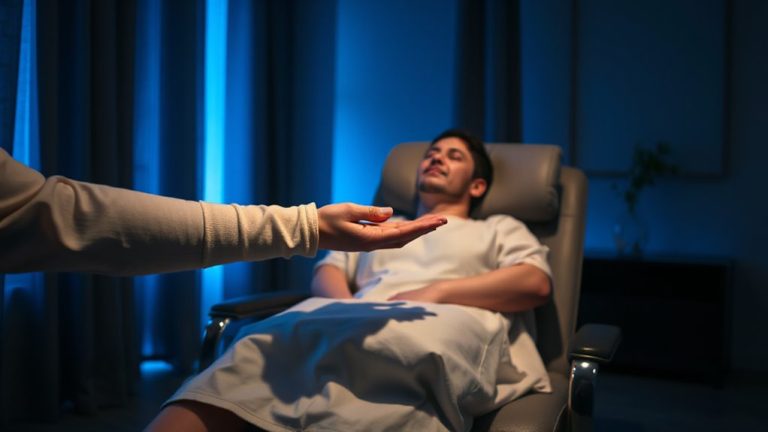
What if the secret to peak recovery wasn’t another high-tech recovery boot or foam roller, but something your body does naturally every night? During deep sleep, your brain kicks off a powerful brain detox, clearing metabolic waste like beta-amyloid through the glymphatic system, which becomes 60% more active. This isn’t just cleanup-it’s essential for a neural reset, letting your central nervous system recover from the stress of intense training. Without this phase, inflammation lingers and nerve signaling slows. Unlike recovery gadgets that offer marginal gains, deep sleep delivers proven, physiological restoration. You can optimize it with consistent bedtime routines and a cool, dark room-but no wearable or massager replicates what your body does unassisted. In fact, prioritizing sleep often beats expensive fitness gear in actual recovery performance. Deep sleep doesn’t just help recovery; it enables it.
Why REM Sleep Sharpens Focus and Speeds Reactions

Sleep’s role in recovery doesn’t end with waste clearance during deep stages-what follows is equally impactful. When you enter REM sleep, your brain kicks into high gear, processing motor skills and sharpening neural pathways critical for focus and reaction time. This phase supports dream consolidation, where your brain sifts through sensory input from intense training, reinforcing meaningful movement patterns. It’s not just rest-it’s active memory integration, linking new physical experiences to existing motor programs. You wake with better precision, faster responses, and improved decision-making under pressure. For athletes, this means quicker reflexes during drills or competition, directly affecting performance. Skimping on REM sleep disrupts this refinement, leaving you slower and less coordinated. Quality sleep isn’t passive; it’s a cognitive tuning session. Prioritize it like you would recovery gear-because without REM, even the best fitness tech can’t compensate for a sluggish nervous system.
How Poor Sleep Hurts Coordination and Raises Injury Risk
When rest is cut short or fragmented, your central nervous system doesn’t fully reset, leaving motor control and sensory processing impaired-this is where coordination begins to slip. You’re more likely to experience neural misfiring, where signals between your brain and muscles don’t sync properly, leading to clumsy or delayed movements. Without full recovery, muscle fatigue accumulates, reducing joint stability and reaction time. This imbalance increases the odds of missteps, strained tendons, or awkward landings during training. Think of your nervous system like high-performance gear: without proper maintenance-sleep-it degrades under load. Poor sleep doesn’t just dull performance; it compromises the precision needed for explosive, coordinated effort. Over time, this raises injury risk, especially during complex lifts or fast directional changes. You wouldn’t skip oil changes in a sports car, so don’t overlook sleep’s role in keeping your neuromuscular system sharp, responsive, and safe.
Sleep Smarter: Practical Tips for Faster Nervous System Recovery
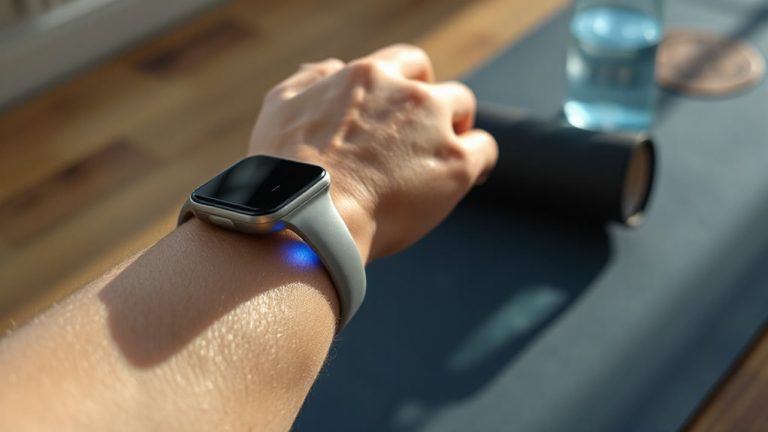
Why do some athletes bounce back faster after brutal training sessions, while others feel wrecked for days? It often comes down to how well they sleep and recover. You can optimize CNS recovery by prioritizing sleep nutrition-consume slow-digesting proteins and complex carbs before bed to support overnight repair. Consistent sleep schedules strengthen circadian rhythms, enhancing deep sleep phases critical for nervous system reset. Combine this with effective stress management; high cortisol disrupts sleep quality and delays recovery. Use tools like heart rate variability (HRV) monitors to assess readiness and adjust training load. Avoid screens an hour before bed, and keep your room cool and dark. Compression gear may help circulation, but it’s no substitute for quality sleep. Ultimately, smart recovery isn’t about gear-it’s built on consistent sleep habits, smart nutrition, and controlled stress.
On a final note
You need quality sleep because it directly restores your central nervous system after intense training. Deep sleep clears metabolic waste and stabilizes neural function, while REM sleep enhances reaction time and focus. Without enough rest, coordination drops and injury risk rises. Recovery isn’t passive-it’s a biological necessity. Smart sleep habits, like consistent timing and minimizing blue light, boost nervous system resilience more effectively than most recovery gadgets on the market.