The Exact Bedtime Routine Elite Sprinters Use to Maximize Deep Sleep Quality
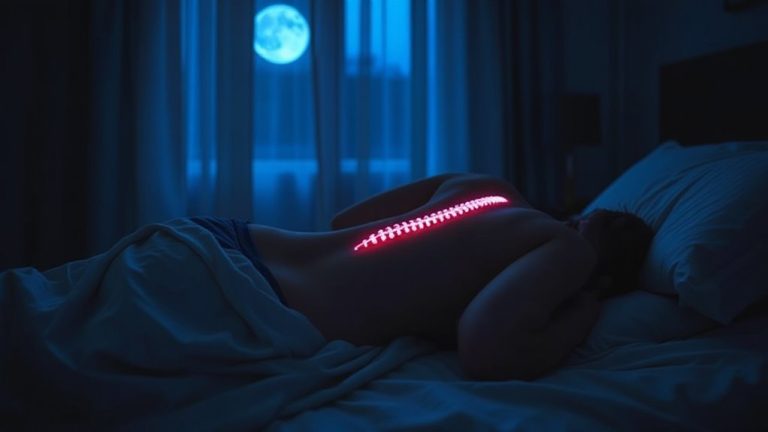
You dim the lights after 8 PM to trigger melatonin, enhancing deep sleep where recovery happens. Ditch screens 60 minutes before bed-blue light slashes melatonin and disrupts sleep quality. Cool your body with a cold shower and keep your room at 60–67°F for ideal core temperature drop. Eat a light, protein-rich snack like Greek yogurt to fuel overnight repair without taxing digestion. Breathe deeply through your nose to lower cortisol and shift into rest mode. Stick to a consistent sleep schedule to stabilize your circadian rhythm. You’ll find even small tweaks compound into sharper reaction times, stronger recovery, and better sprint performance-there’s more to how the pros refine each step.
Notable Insights
- Elite sprinters prioritize deep sleep to enhance muscle repair and neural recovery through natural growth hormone release.
- They optimize melatonin by using warm, dim lighting (2700K) and avoiding blue-rich light after sunset.
- Screens are eliminated at least 60 minutes before bed to prevent melatonin suppression and sleep fragmentation.
- A cool bedroom environment (60–67°F) is maintained using fans, blackout curtains, and cold showers to support deep sleep.
- Light, protein-rich snacks and nasal breathing routines are used to aid recovery and shift the body into rest-and-repair mode.
Why Deep Sleep Fuels Sprint Recovery
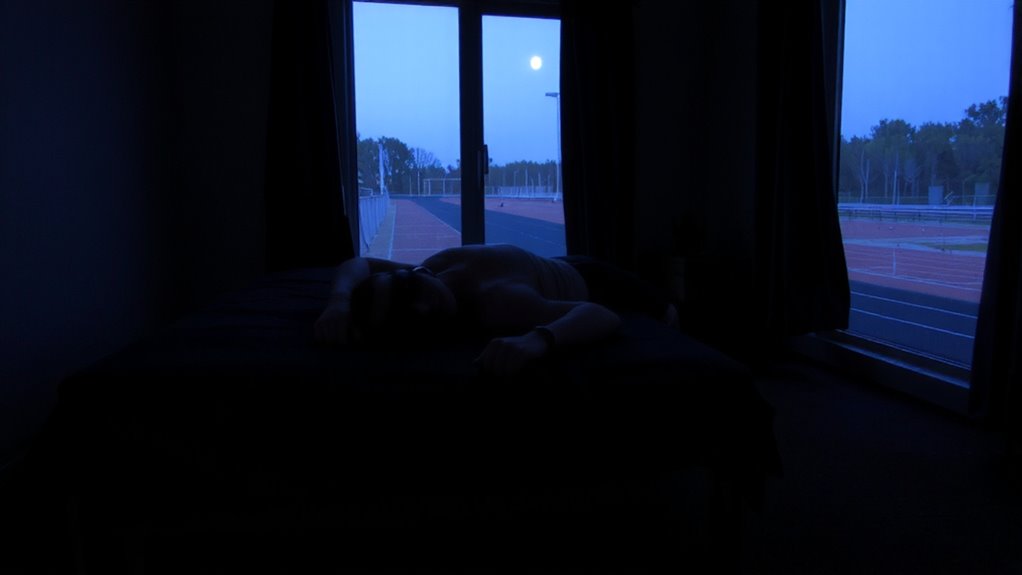
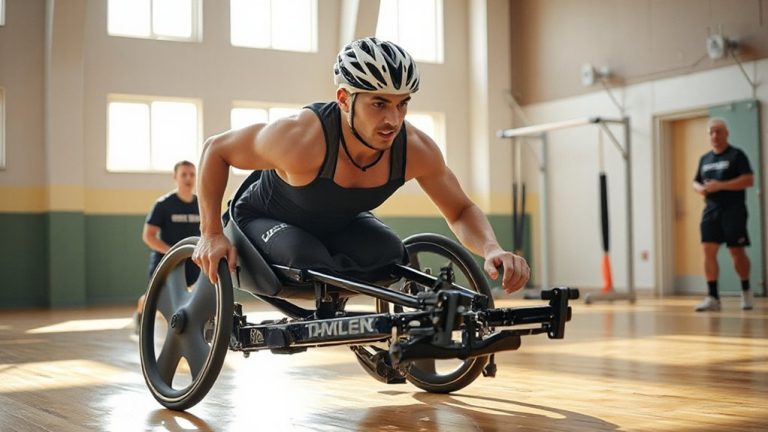
Recovery isn’t just about ice baths or protein shakes-deep sleep is the unsung workhorse behind elite sprint performance. When you enter deep sleep, your body kicks into high-gear for muscle repair, releasing growth hormone to rebuild fibers stressed during explosive training. This stage also enables critical neural restoration, sharpening signal speed between your brain and muscles-key for reaction time and sprint mechanics. Without sufficient deep sleep, even the most advanced recovery gear, like percussion massage guns or compression boots, can’t compensate for the lost physiological benefits. Studies show elite sprinters who prioritize sleep see faster recovery times and improved power output. It’s not just duration-you need quality cycles where heart rate variability stabilizes and the nervous system resets. Bottom line: no recovery tool matches the biological efficiency of deep, uninterrupted sleep when it comes to muscle repair and neural restoration.
Dim Lights to Boost Melatonin
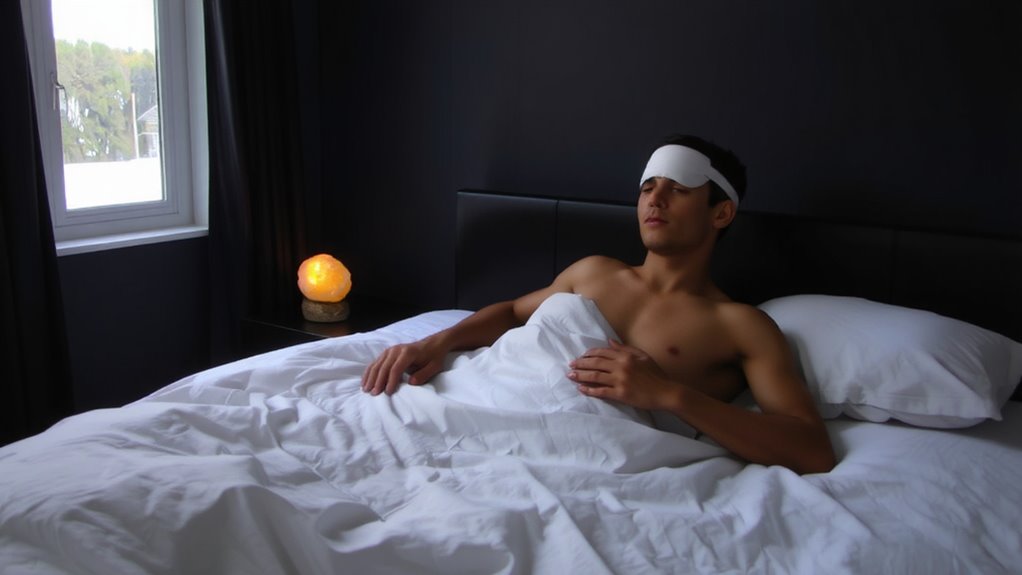
As darkness begins to settle, dimming the lights isn’t just a cue to wind down-it’s a strategic move to kickstart melatonin production, the hormone that regulates your sleep-wake cycle. You’re telling your body it’s time to prepare for deep recovery, aligning your circadian rhythm with natural light cycles. Bright or blue-rich lighting delays melatonin release, but switching to warm lighting-around 2700K-mimics sunset and supports hormonal timing. Elite sprinters use this intentional shift because ideal sleep isn’t accidental; it’s built into their routine. Even small light exposure late can disrupt sleep architecture, reducing time in restorative stages. By controlling ambient brightness, you’re not just creating ambiance-you’re engineering recovery. This simple, non-negotiable step enhances sleep onset and quality, making it a cornerstone habit. No gear or supplement replaces this foundational practice.
Stop Screens 60 Minutes Before Bed
Dimming the lights sets the stage, but if you’re still scrolling through your phone or watching TV, you’re undoing that work-blue light from screens directly suppresses melatonin, delaying sleep onset and fragmenting sleep quality. Just 30 minutes of blue light exposure in the evening can reduce melatonin by over 50%, disrupting circadian rhythm and impairing recovery. Elite sprinters eliminate screens 60 minutes before bed to optimize deep sleep, where muscle repair and neural adaptation occur. This digital detox benefits cognitive wind-down and promotes mental clarity. Replacing screen time with low-stimulus activities-reading, light stretching, or journaling-supports relaxation without sensory overload. The consistency of this habit enhances sleep architecture over time, increasing slow-wave sleep duration. It’s not just about avoiding disruption; it’s a strategic recovery tool. Smart gear like blue light blockers can help, but prevention beats correction-skip the scroll, and let your body shift into true recovery mode.
Cool Your Body and Bedroom
Why does lowering your body and bedroom temperature matter for recovery? Because your core temperature naturally drops during sleep, and cooler environments boost deep sleep quality. Elite sprinters use ice baths post-training to accelerate this process, reducing inflammation and signaling the body it’s time to rest. You don’t need a full ice immersion-cold showers work too. Pair that with blackout curtains to maintain a dark, cool room: light and heat disrupt melatonin. Aim for 60–67°F (15–19°C), the sweet spot for restorative sleep. These tools aren’t luxuries-they’re performance gear.
| Strategy | Tool | Effectiveness |
|---|---|---|
| Cool down | Ice baths | High |
| Regulate light | Blackout curtains | High |
| Lower room temp | Thermostat | Medium |
| Wear light PJs | Breathable fabric | Medium |
| Ventilate room | Fan or open window | High |
Eat for Recovery, Not Digestion
Cold isn’t the only factor shaping your recovery-what you eat matters just as much, especially when sleep and muscle repair depend on it. After intense training, your body needs smart post exercise nutrition that fuels recovery without burdening digestion. Elite sprinters prioritize light, protein-rich snacks with a touch of fast-acting carbs about 45–60 minutes before bed to support glycogen replenishment and minimize overnight muscle breakdown. Think Greek yogurt with honey or a small banana with almond butter-simple, effective, and easy to process. Heavy meals spike insulin and shift blood flow to the gut, disrupting sleep quality. The goal isn’t fullness; it’s strategic nourishment. This approach aligns metabolic activity with recovery rhythms, not digestive load. When you eat for recovery, not digestion, you let sleep do its job: rebuilding stronger, faster muscles while you rest-no extra gear required, just smart timing and precision.
Breathe to Activate Sleep Mode
How often do you lie in bed, physically spent but mentally wired, your breathing shallow and erratic after a day of explosive sprints and high-intensity drills? You’re not alone-your nervous system’s still in overdrive. The fix? Activate sleep mode through intentional breathing. Start with diaphragmatic breathing: inhale deeply through your nose, letting your belly rise, not your chest. This signals safety to your brain, lowering heart rate and cortisol. Pair it with nasal breathing, which boosts nitric oxide and improves oxygen uptake-critical for recovery. Elite sprinters use this combo nightly because it shifts the body from fight-or-flight to rest-and-repair. It’s low-tech but high-impact, requiring no gear-just consistency. You don’t need a smart mattress or recovery boots to start. Controlled breathing is the most accessible recovery tool. Do it for five minutes, and you’ll feel the shift. Your sleep depth improves, and so does next-day performance.
Keep a Consistent Sleep Schedule
Even if your training clock resets with every sunrise and sunset, sticking to a consistent sleep schedule is one of the most effective-and underrated-recovery tools at your disposal. Elite sprint grinding knows that sleep consistency strengthens circadian rhythm, improving sleep onset and deep sleep duration. When you hit the sheets within the same 30-minute window nightly, your body adapts, enhancing hormonal balance and tissue repair-critical after high-intensity sessions. Pairing fixed wake and bedtimes with calming bedtime rituals-like dimming lights and avoiding screens-supports melatonin release. Recovery isn’t just about compression gear or ice baths; it starts the moment you regulate your sleep-wake cycle. Even on off-days, maintaining this discipline guarantees your nervous system stays primed. The best fitness recovery protocols integrate physiology and routine, and top sprinters prioritize sleep consistency as rigorously as sprint drills. It’s low-tech, free, and foundational-making it the ultimate performance enhancer.
On a final note
You’ll recover faster when you prioritize deep sleep like elite sprinters do. Dimming lights, cutting screens, and cooling your room align with your circadian rhythm, boosting melatonin. Eating light, sleep-friendly snacks aids recovery without taxing digestion. Controlled breathing and consistent sleep times improve sleep architecture over time. These habits, supported by sleep-tracking wearables, show measurable gains in recovery efficiency-proven, practical, and worth adopting for serious fitness results.