Teaching Athletes to Recognize When They Need Absolute Stillness Instead of Movement-Based Recovery
You’re likely overdue for stillness if your body stays sore past 72 hours, your mind feels foggy, or your resting heart rate is up by 10 bpm. Tools like foam rollers and recovery boots help circulation but can’t replace true neural downtime. When stress hormones stay high from constant motion, repair stalls-making stillness non-negotiable. A daily 5-minute pause with seated breathwork resets your nervous system more effectively than low-intensity movement. You’ll recognize when your body actually recovers, not just adapts to more strain-there’s a clearer way forward.
Notable Insights
- Persistent soreness beyond 72 hours signals the need for complete rest, not active recovery.
- Elevated resting heart rate indicates nervous system stress requiring stillness and sleep.
- Mental fatigue and lack of focus suggest the brain needs downtime, not movement.
- Emotional irritability or mood swings are warnings to prioritize stillness over exercise.
- Poor sleep quality with low REM cycles calls for absolute rest and reduced stimulation.
Why Stillness Speeds Athletic Recovery

While pushing your limits is essential for growth, embracing stillness afterward plays a crucial role in speeding recovery-something advanced fitness gear can support, but not replace. When you stop moving, your body shifts from stress response to restoration, triggering a neural reset that calms an overactive nervous system. This quiet state isn’t laziness; it’s when cellular repair kicks in, rebuilding muscle fibers and restoring energy stores. Unlike compression devices or cryotherapy, which assist circulation, stillness provides the uninterrupted time tissues need to heal. You can’t outsleep or out-recover poor rest habits, no matter how advanced your recovery tools. Monitors may track heart rate variability or sleep quality, but they can’t create the deep physiological downtime true stillness offers. Real recovery happens not in motion, but in deliberate quiet-where neural balance and cellular repair align to prepare you for the next challenge.
Signs You Need Rest Instead of Active Recovery
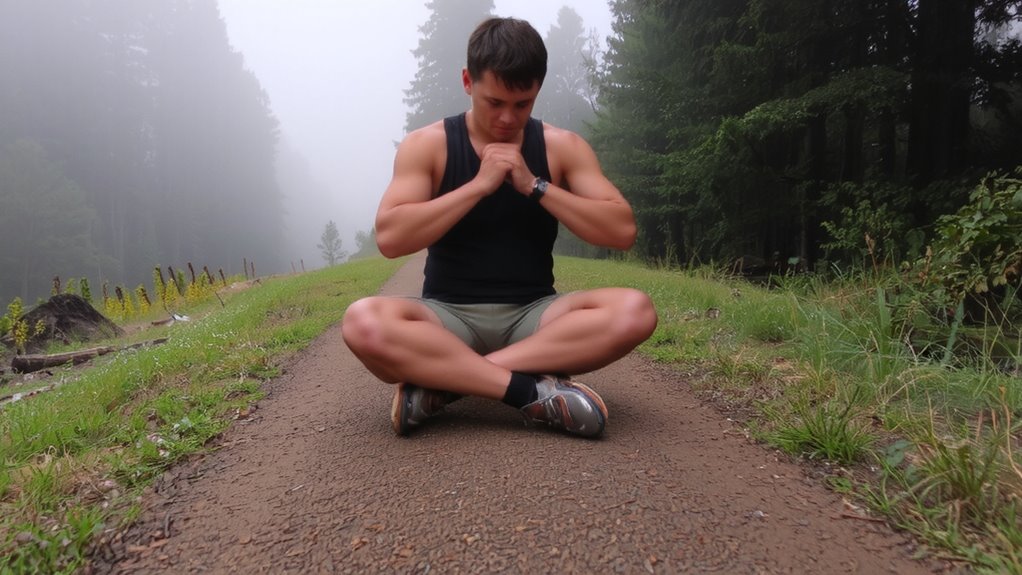
You’re likely familiar with the idea that moving lightly on rest days-like walking or gentle cycling-can keep muscles loose and blood flowing. But sometimes, even low-intensity movement hinders more than helps, especially when signs of mental fatigue or emotional exhaustion surface. These signals suggest your nervous system needs true rest, not just a reduction in intensity.
| Symptom | Physical Manifestation | Recommended Response |
|---|---|---|
| Persistent soreness | Stiffness lasting 72+ hours | Complete rest, hydration |
| Mental fatigue | Lack of focus, motivation | Sleep, mindfulness |
| Emotional exhaustion | Irritability, mood swings | Off-feet downtime |
| Elevated resting HR | Heart rate 10+ bpm above norm | No movement, assess sleep |
| Poor sleep quality | Tossing, low REM cycles | Dark room, no screens |
Stillness isn’t laziness-it’s strategic recovery.
Why Always Moving Slows Your Recovery

Because your body repairs itself during periods of true physiological downtime, constantly staying in motion-even at low intensities-can interfere with the recovery process, delaying muscle repair and weakening immune function. You might think light activity flushes out soreness, but without full rest, muscle fatigue accumulates faster than it clears. Persistent movement, even from so-called recovery tools like foam rollers or recovery boots, can trick you into false progress if used instead of rest. These fitness gear innovations support circulation, yes, but they’re no substitute for stillness when your system is overwhelmed. Chronic motion disrupts hormonal balance, elevates cortisol, and undermines injury prevention by masking signals your body needs to heal. Over time, this increases breakdown risk and extends recovery windows. You need actual pause-not just reduced activity-for cells to rebuild. Absolute stillness allows nervous system reset, essential after intense training. Without it, you’re not enhancing performance; you’re sabotaging it.
When to Choose Stillness Over Movement
How do you know when to stop moving and truly rest? You’ve pushed hard in training, but now your focus feels scattered and your decisions lack precision-this is when stillness matters most. Movement-based recovery helps circulation and muscle repair, but it won’t restore mental clarity or emotional balance. When irritability, fatigue, or mental fog set in, these aren’t just signs of physical strain-they signal nervous system overload. At this point, gentle movement may still stimulate, but absolute stillness calms. Techniques like seated breathwork or mindful pauses reduce cortisol and reset neural pathways more effectively than light cardio. High-performance athletes using heart rate variability (HRV) data often see marked improvements after stillness days. Stillness isn’t passive; it’s strategic recovery. It sharpens focus, stabilizes mood, and prepares the body and mind for smarter, more resilient performance the next time you train.
Build a 5-Minute Daily Stillness Habit
Though it might seem too brief to make a difference, five minutes of daily stillness can meaningfully enhance recovery when done consistently and with intention. You don’t need specialized fitness gear-just a quiet space and willingness to pause. Sit upright, close your eyes, and shift into breath focus, noticing each inhale and exhale without changing them. This simple act trains your nervous system to shift from stress to restoration. Over time, athletes report improved mental clarity, sharper focus during training, and faster physical recovery. It’s not about replacing movement but balancing it. Five minutes builds neurological resilience, much like how consistent reps build muscle. The habit compounds: daily stillness strengthens your ability to recognize when rest-not more exercise-is the most effective recovery tool. Think of it as maintenance for your mind-body connection, cost-free and always accessible.
Stay Mentally Sharp by Doing Nothing
You’ve already seen how five minutes of daily stillness can reset your nervous system and support recovery, but what if doing nothing-truly nothing-could sharpen your mind just as much as a hard training session strengthens your body? When you stop all activity, even low-effort movement like walking or stretching, you create space for mental clarity to emerge. This kind of deliberate stillness boosts focused awareness, helping you detect subtle cues-fatigue, tension, distraction-before they turn into setbacks. It’s not passive; it’s a form of cognitive training. Just as foam rollers release muscle tightness, absolute stillness releases mental noise. Top performers use it to recalibrate decision-making and reaction speed. Unlike wearables or recovery gear that track output, this internal reset requires no equipment-just disciplined consistency. The real performance edge isn’t always in what you do, but in learning to recognize when doing nothing is the most effective move.
On a final note
You recover faster when you recognize that stillness isn’t laziness-it’s strategy. While movement-based recovery has its place, constant motion can delay healing. Signs like lingering fatigue or soreness mean your body needs true rest. Incorporating daily 5-minute stillness practices sharpens mental focus and supports physical repair. Top athletes use this balance to optimize performance. Gear helps, but wisdom-knowing when to pause-makes the real difference in sustainable fitness gains.