Oscillating Platform Ellipticals for Activating Proprioceptors in Diabetic Feet
You can use an oscillating platform elliptical to gently reactivate foot proprioceptors, especially important if you have diabetic neuropathy and reduced sensation. The rhythmic 2–5 Hz motion stimulates nerves in your soles and joints, improving balance and coordination without joint stress. Look for low step-up height, adjustable resistance, and stability rails to stay safe. Pair it with proper footwear and short, consistent sessions to build sensory feedback over time-there’s more to discover about optimizing each workout.
Notable Insights
- Oscillating ellipticals stimulate foot proprioceptors through rhythmic, low-impact motion that mimics natural gait patterns.
- Regular use may enhance neural responsiveness in diabetic neuropathy by activating dormant sensory nerves in the soles.
- The 2–5 Hz oscillation range optimizes sensory feedback without overloading compromised nerves or joints.
- Smooth, multidirectional movement improves balance and joint awareness, reducing fall risk in individuals with reduced foot sensation.
- Features like low step-up height, stability rails, and non-slip surfaces support safe, effective use for those with diabetic foot complications.
Why Foot Sensitivity Matters in Diabetic Neuropathy
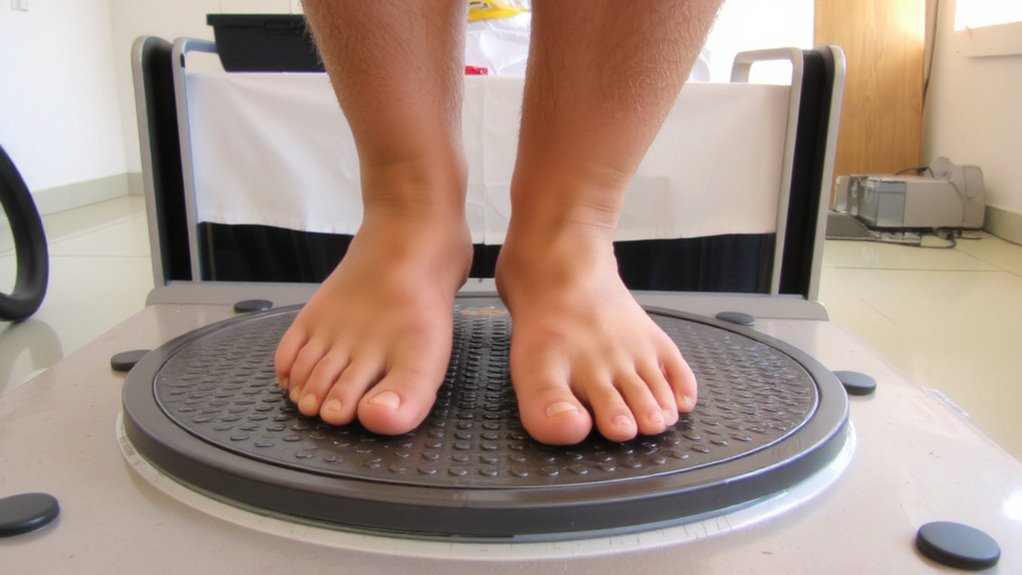
Nerve damage-common in diabetic neuropathy-reduces sensation in your feet, making it harder to notice injuries, pressure points, or friction from ill-fitting shoes or exercise equipment. This lack of feedback increases the risk of unnoticed sores, which can worsen without timely care. Proper foot hygiene becomes essential, as dampness and bacteria thrive in numb areas you’re less likely to inspect. Reduced sensation also often accompanies poor blood circulation, slowing healing and raising infection risks. Regular exercise helps improve circulation, but standard gear may aggravate foot stress. That’s where thoughtful fitness gear matters-not all equipment accounts for diabetic foot sensitivity. Devices promoting gentle movement without impact support both circulation and foot health. Prioritizing tools that encourage awareness and minimize risk reflects a smarter, preventive approach to fitness recovery for those managing diabetes.
How Oscillating Ellipticals Activate Foot Proprioceptors
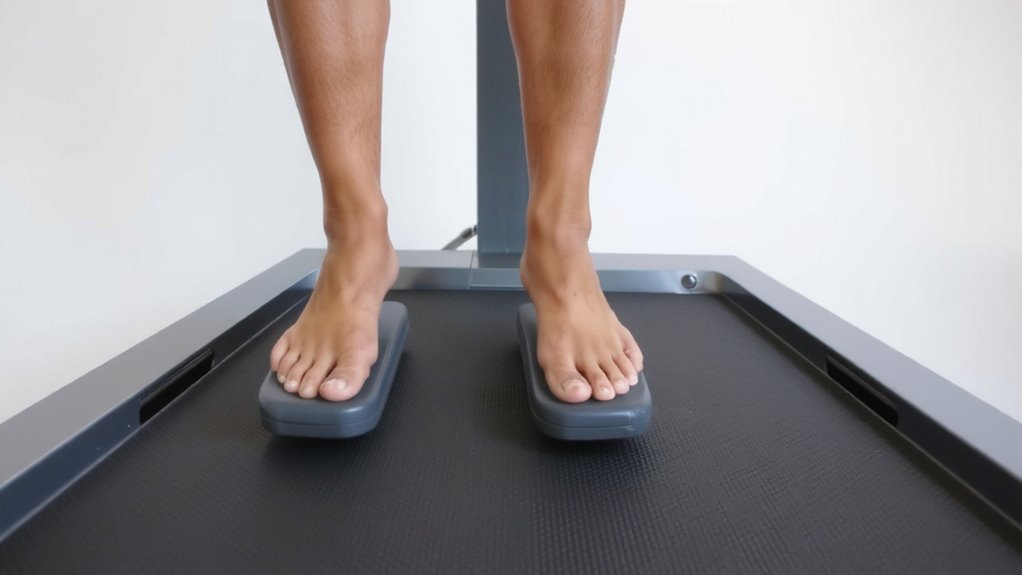
How does gentle motion help reawaken numb feet? Oscillating ellipticals use rhythmic, low-impact movement to enhance foot mechanics by mimicking natural gait patterns. As you step onto the moving platform, your feet experience subtle shifts in pressure and angle, which stimulate proprioceptors-sensory receptors in your soles and joints. This consistent motion promotes neural stimulation, helping dormant nerves regain responsiveness over time. Unlike rigid treadmills, these machines allow multidirectional movement, engaging muscles and ligaments more effectively. You’re not just exercising; you’re retraining your feet to sense position and movement. The oscillation frequency, typically between 2–5 Hz, is calibrated to optimize sensory feedback without strain. Regular use supports better balance and coordination, essential for diabetic foot care. Though results vary, many users report improved sensation within weeks. This makes oscillating ellipticals a practical, low-risk tool for sensory recovery-especially when integrated into daily fitness routines.
Neuropathy, Balance, and the Risk of Falls Explained
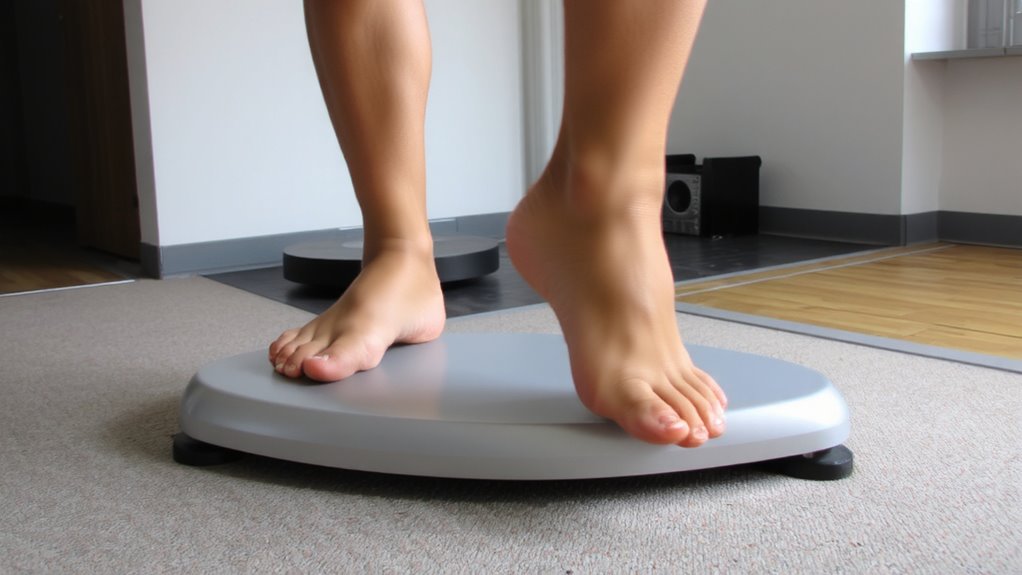
Why do so many people with diabetic neuropathy struggle to stay upright during everyday movement? Because nerve damage dulls sensation in your feet, leaving you unaware of shifts in terrain or posture. This sensory loss impairs proprioception-the body’s ability to sense limb position-increasing fall risk. Poor balance isn’t just about muscle weakness; it’s rooted in disrupted neural feedback. Even smart footwear design can only partly compensate if underlying nerve regeneration isn’t supported. While specialized shoes improve stability, they don’t restore lost sensation. That’s where targeted exercise comes in-not just for circulation, but for stimulating neurological pathways. Consistent movement may encourage modest nerve regeneration over time, especially when proprioceptors are actively engaged. You can’t reverse all damage, but you can slow decline. Improving balance isn’t optional; it’s a necessity for independence and injury prevention in diabetic mobility.
Essential Elliptical Features for Diabetic Foot Safety
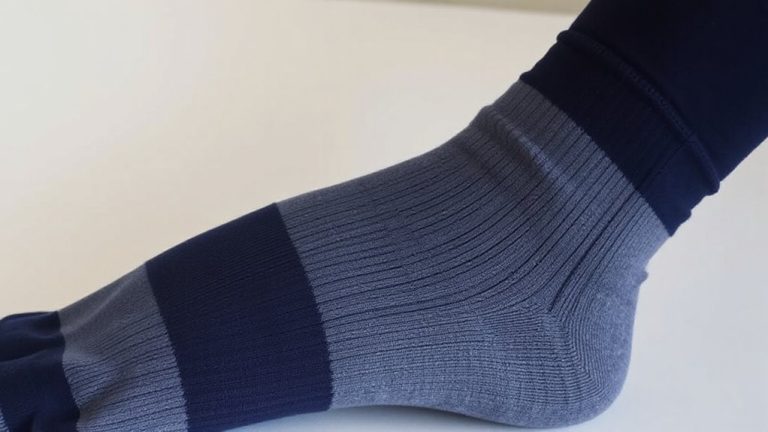
Staying steady on your feet when you’re managing diabetic neuropathy means choosing exercise equipment that supports both safety and nerve responsiveness, which is exactly where oscillating platform ellipticals come into play. You need a machine that promotes proper joint alignment with smooth, predictable motion to reduce strain on numb or sensitive limbs. Look for models with adjustable resistance and a low step-up height-these features help prevent missteps. The oscillating platform should mimic natural gait patterns, gently activating proprioceptors without jarring impact. Always pair your workout with appropriate footwear cushioning; well-padded, diabetic-safe shoes absorb residual pressure and minimize shear forces. Some units offer built-in stability rails or non-slip surfaces, which add confidence during use. Avoid overly aggressive motion paths-they can disrupt balance. A well-designed elliptical supports controlled movement, enhances foot awareness, and complements long-term foot health when used consistently and correctly.
Start Slow: Safe Intervals for Sensory Activation
You’ll often see the best results when starting your elliptical routine in short, deliberate intervals-especially if you’re managing diabetic foot complications. Initial adaptation is key, so begin with just 5 to 10 minutes of low-resistance motion to let your proprioceptors recalibrate safely. Your nervous system needs time to relearn foot positioning without overloading vulnerable tissues. Gradual progression prevents sensory fatigue and reduces strain risks common in neuropathic feet. Aim to increase duration by no more than 2–3 minutes weekly, focusing on smooth, controlled movements. Oscillating platforms enhance this process by stimulating plantar mechanoreceptors, but only if introduced carefully. Overdoing it early can desensitize rather than activate. Stick to consistent, modest sessions-your feet respond better to frequent, gentle input than sporadic intensity. Monitor feedback closely, adjust as needed, and let comfort guide advancement.
Can This Exercise Reduce Ulcer and Fall Risk?
Building on the practice of starting slow to safely awaken foot sensation, it’s reasonable to ask whether consistent use of oscillating platform ellipticals might also lower the risks tied to diabetic foot complications-specifically ulcers and falls. You’ll find that regular, controlled motion boosts blood flow, which supports tissue health and wound healing-key factors in ulcer prevention. The gentle oscillation also promotes joint mobility, reducing stiffness and improving balance over time. When your feet move through varied planes, proprioception sharpens, helping you catch missteps before they lead to falls. Studies suggest such dynamic movement, when done correctly, enhances foot mechanics without excessive impact. While no machine eliminates risk entirely, this type of elliptical offers a practical way to integrate therapeutic motion into daily routines. Used consistently, it may reduce ulcer incidence and improve stability-important gains for long-term foot health.
When and How to Maximize Foot Feedback on the Elliptical
How do you guarantee your feet are truly engaging with each stride on an oscillating platform elliptical? Focus on building tactile awareness by keeping direct contact between your soles and the moving surface-no loose shoes or thick socks. You’ll want to adjust the platform’s oscillation range to a moderate setting so your feet receive consistent, subtle shifts without overcompensation. This enhances rhythm synchronization, helping your nervous system adapt to micro-movements and improving balance. For best results, train barefoot (if hygiene and safety allow) or wear minimal footwear to boost sensory feedback. Use a cadence that feels natural, not rushed, allowing your feet time to register each motion phase. Over time, this builds stronger proprioceptive signals-key for diabetic foot care-while reducing ulcer and fall risks. Consistent, mindful use maximizes benefits without overloading sensitive tissues.
On a final note
You’ll find oscillating platform ellipticals offer targeted sensory stimulation, helping recalibrate foot proprioceptors often dulled by diabetic neuropathy. Models with low-impact motion, adjustable resistance, and stable platforms enhance safety while promoting circulation and balance. Used consistently at moderate intervals, they may reduce fall and ulcer risks. Though not a standalone fix, they’re a practical addition to foot care routines-especially when combined with medical oversight and proper footwear.